
Blackvue vs Thinkware (2025 Comparison)
The dealer wanted $240 for a new battery on my 2018 Accord. The battery was fine. An aftermarket dashcam hardwired to the always-on 12V was pulling 280mA at rest - the body control module only draws 35mA. At 315mA total parasitic draw, a 60Ah lead-acid is dead in 12 days.
The dealer wanted $240 for a new battery on my 2018 Accord. The battery was fine. An aftermarket dashcam hardwired to the always-on 12V was pulling 280mA at rest - the body control module only draws 35mA. At 315mA total parasitic draw, a 60Ah lead-acid is dead in 12 days. Pulled fuses one at a time with a $15 multimeter across the gap. Found the culprit in 20 minutes. Fixed it with a $4 add-a-fuse kit wired to switched power.
The dealer did not even check for parasitic draw - just wanted to sell a battery.
When it comes to keeping an eye on your ride, BlackVue and Thinkware are the two big dogs fighting over the premium dashcam bone. Both Korean, both pushing 4K resolution and fancy parking modes.
But they're not identical, and picking the wrong one means you're either missing crucial footage or dealing with constant thermal shutdowns.
I've seen enough fried SD cards and corrupted files to know that 'features' on a spec sheet don't always translate to reliable performance when your dash is cooking at 140 degrees F. We're talking about the difference between a clear shot of a hit-and-run plate and a blurry mess.
It's about mechanical stress and thermal cycling on tiny electronics.
The BlackVue DR970X-2CH hit the market months before the Thinkware U3000, but Thinkware brought some 'cutting edge' features to the party. We'll break down which gimmicks actually work and which ones are just marketing fluff. Don't pay for vaporware.
⭐ Quick Picks
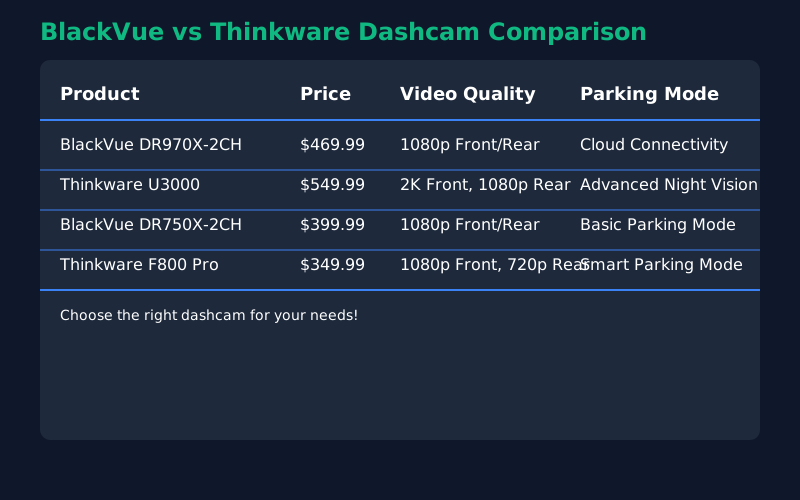
Top Picks
So, you want to spend a chunk of change on a dashcam that won't flake out when you need it most. Good. Because a cheap $50 unit is just a plastic box waiting to melt its internal capacitor onto your windshield. Here's what's worth your hard-earned cash in 2025.Top Dash Cams for Robust Surveillance
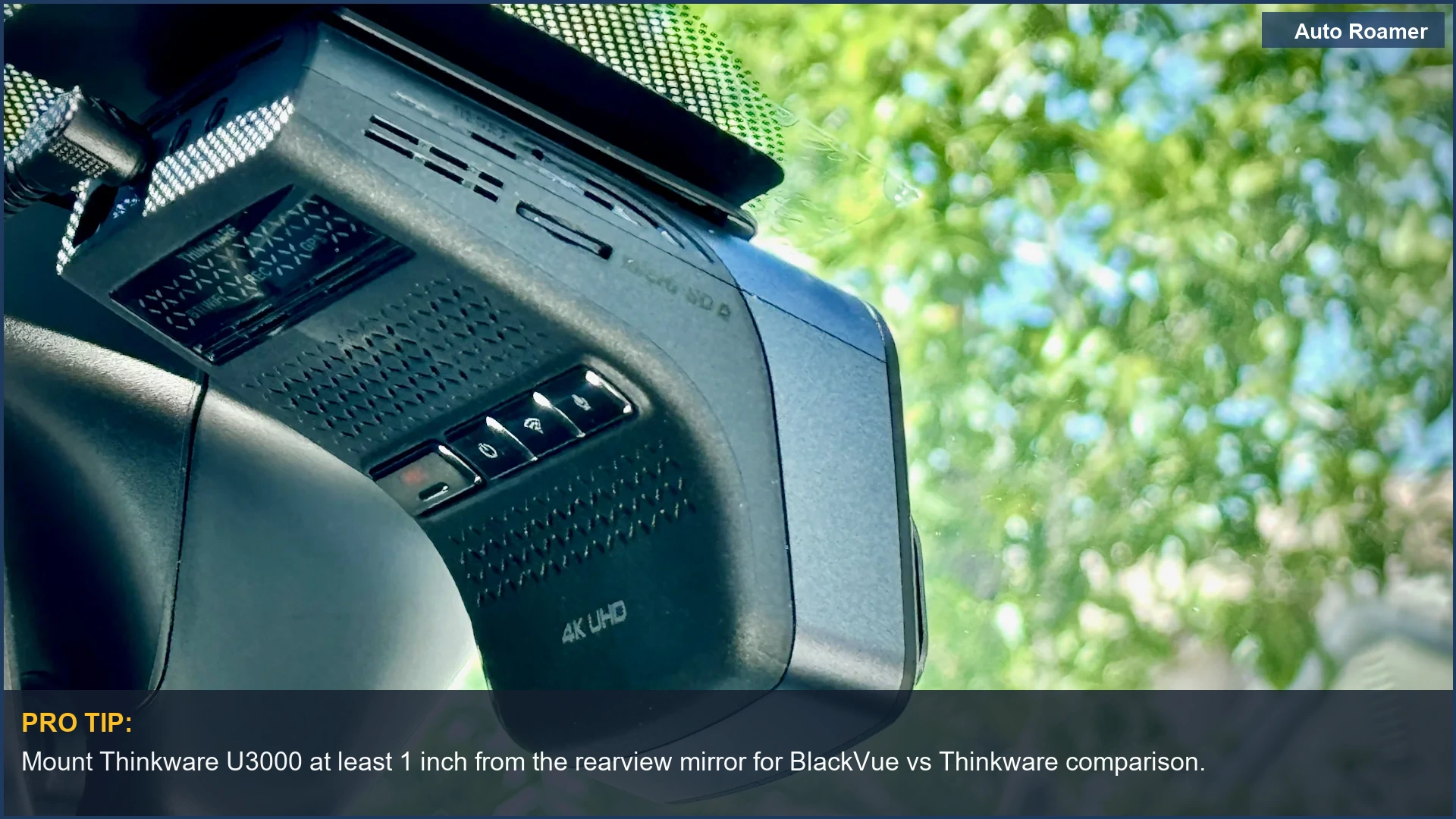
Thinkware U3000 (~$550)
- Specs: 4K front, 2K rear, RADAR parking mode.
- Pros: Superior night vision, radar detection for parking mode, active ventilation system to fight thermal cycling.
- Cons: Price tag is steep, larger form factor than BlackVue.
- Best-for: Anyone who leaves their car in sketchy parking lots and needs reliable motion detection without constant battery drain.
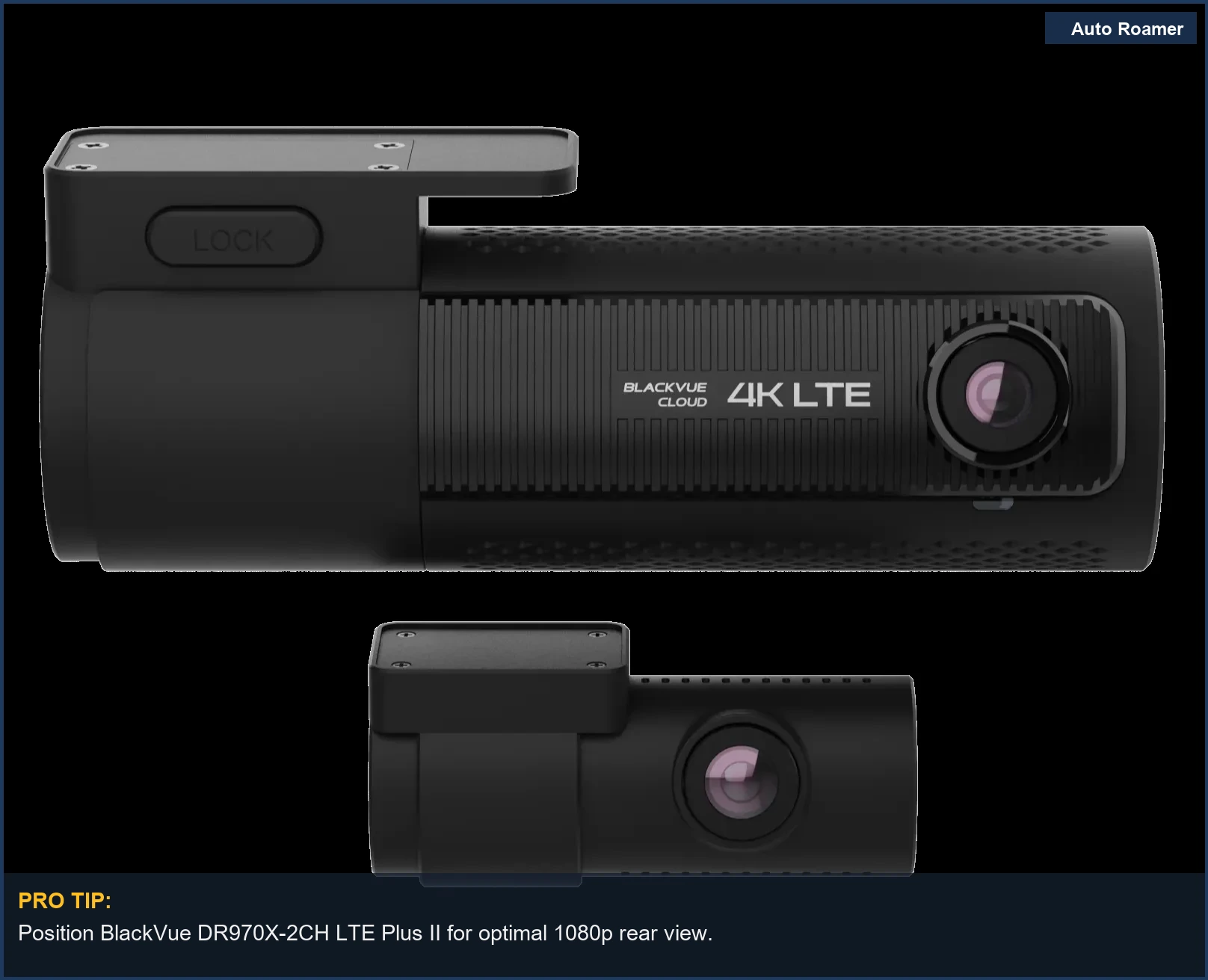
BlackVue DR970X-2CH LTE Plus II (~$500)
- Specs: 4K front, Full HD rear, built-in LTE for cloud connectivity.
- Pros: Seamless cloud features, slim cylindrical design, upgraded touch sensor (no more air freshener false triggers).
- Cons: Rear camera is only 1080p, can run hot without proper airflow.
- Best-for: Fleet managers or folks who need constant remote access and live view of their vehicle.
Viofo A329S (~$250)
- Specs: 4K front, 2K rear, Wi-Fi.
- Pros: Excellent video quality for the price, reliable capacitor-based power, discreet design.
- Cons: No cloud features, parking mode is basic.
- Best-for: Budget-conscious drivers who prioritize raw video fidelity over remote access or advanced parking sensor tech.
Thinkware Q1000 (~$300)
- Specs: 2K QHD front and rear, super night vision 3.0.
- Pros: Great balance of price and performance, excellent image stabilization.
- Cons: Not true 4K, cloud features require external hotspot.
- Best-for: Rideshare drivers needing clear interior and exterior footage without breaking the bank.
BlackVue DR770X Box (~$480)
- Specs: 1080p front, rear, and interior, external recording unit.
- Pros: Centralized recording unit protected from heat, ideal for complex installations with multiple cameras.
- Cons: Not 4K, box unit requires careful mounting.
- Best-for: Commercial vehicles or those wanting maximum camera coverage (up to 3 channels) with hidden main unit.
Thinkware F200 Pro (~$180)
- Specs: 1080p front, optional 1080p rear, Wi-Fi.
- Pros: Entry-level price, solid build quality, energy-saving parking mode.
- Cons: Limited features, lower resolution.
- Best-for: First-time dashcam owners needing basic protection without complex setup.
BlackVue DR590X-2CH (~$220)
- Specs: 1080p front and rear, Wi-Fi.
- Pros: Reliable BlackVue name, simple interface, good compression.
- Cons: No cloud, limited parking mode.
- Best-for: If you want BlackVue reliability but don't need the bells and whistles of their flagship models.
Sometimes less is more, especially when it means fewer points of failure.
View on Amazon — Thinkware U3000
View on Amazon — BlackVue DR970X-2CH LTE Plus II
View on Amazon — Thinkware Q1000
View on Amazon — BlackVue DR770X Box
If you're considering high-end models, you might also want to compare the features of the Nextbase 622gw and Thinkware U1000.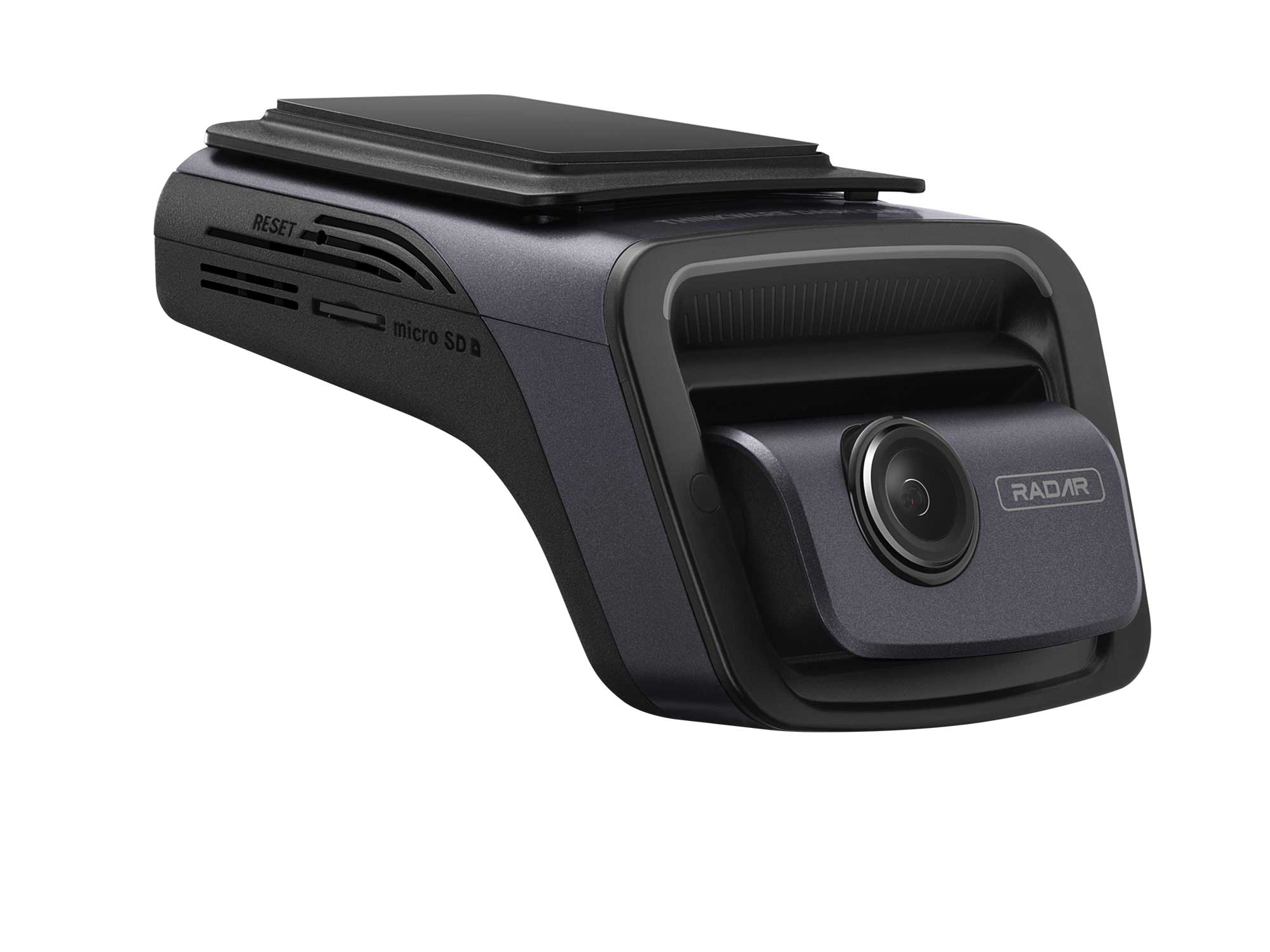
Image: Thinkware 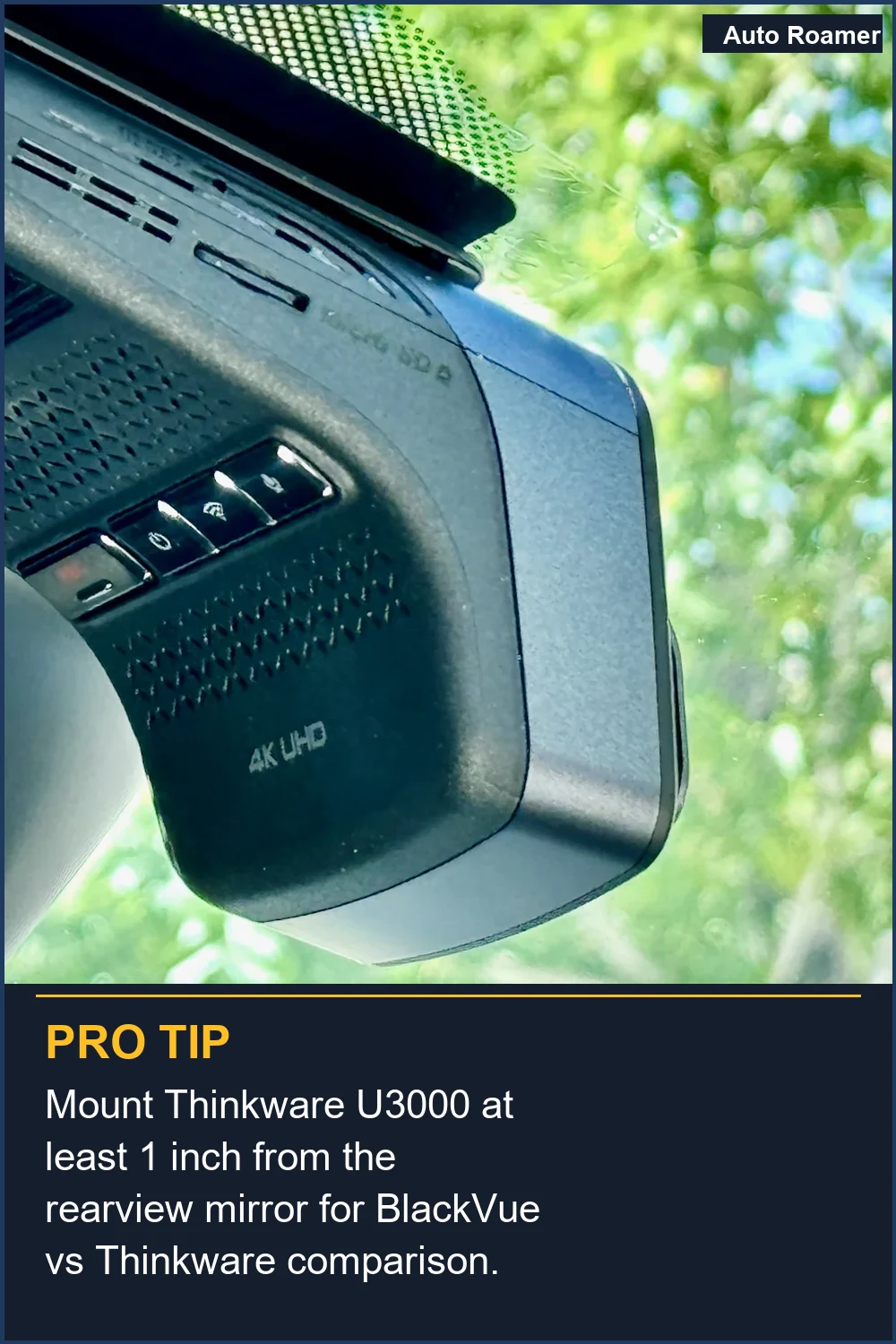
Thinkware U3000 | Photo by The Drive Quick Verdict
Alright, let's cut the marketing jargon. If you're weighing BlackVue vs Thinkware, it boils down to what failure mode you're trying to prevent.- Cloud Connectivity: BlackVue takes the cake here. Their integrated LTE models like the BlackVue DR970X-2CH LTE Plus II (~$500) offer real-time alerts and remote viewing that Thinkware struggles to match without an external hotspot. If you need constant digital tethering to your ride, BlackVue's ecosystem is more robust.
- Parking Mode: Thinkware, especially the Thinkware U3000 (~$550), is a beast for parking. That radar detection mode means fewer false triggers from wind or shadows, saving battery drain and SD card writes. This minimizes thermal cycling on the flash memory, extending its lifespan. BlackVue's smart sensing is decent, but Thinkware's radar is a mechanical advantage.
- Video Quality (Day): Both brands deliver crisp 4K. You're splitting hairs. The lens optics and sensor size are comparable.
- Video Quality (Night): Thinkware edges out BlackVue with its superior image sensors, especially noticeable on the rear camera. If low-light license plate capture is critical, Thinkware's processing is marginally better.
- Form Factor & Installation: BlackVue's cylindrical design is generally more discreet. Thinkware units tend to be chunkier. This matters for windshield real estate and avoiding visual obstruction.
- Thermal Management: Thinkware's newer models, like the U3000, have dedicated ventilation systems. This is a critical engineering detail. Reducing internal temperature swings directly impacts the failure rate of electronic components and the lifespan of the SD card. BlackVue relies more on passive cooling, which can be an issue in extreme heat.
When considering dash cams for your vehicle, it's also essential to explore the new vs. used car considerations.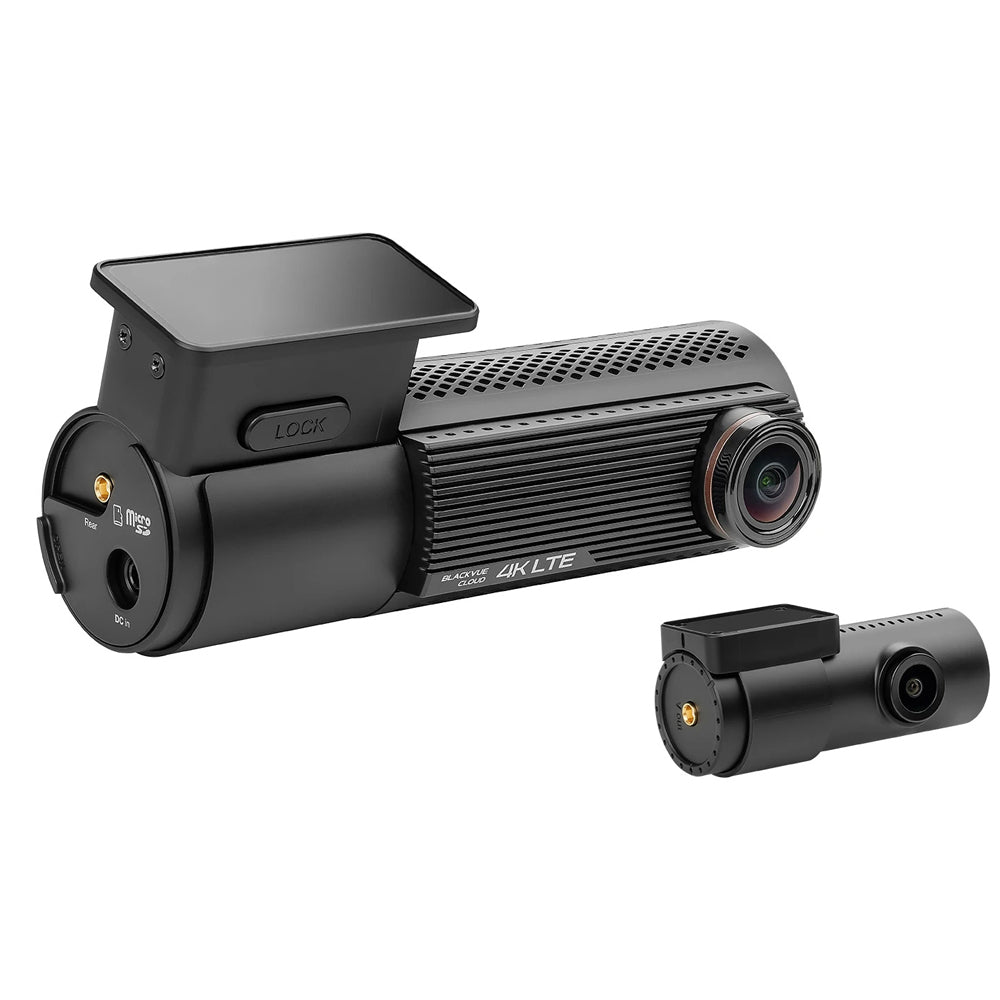
Image: UNAVI USA, Inc. 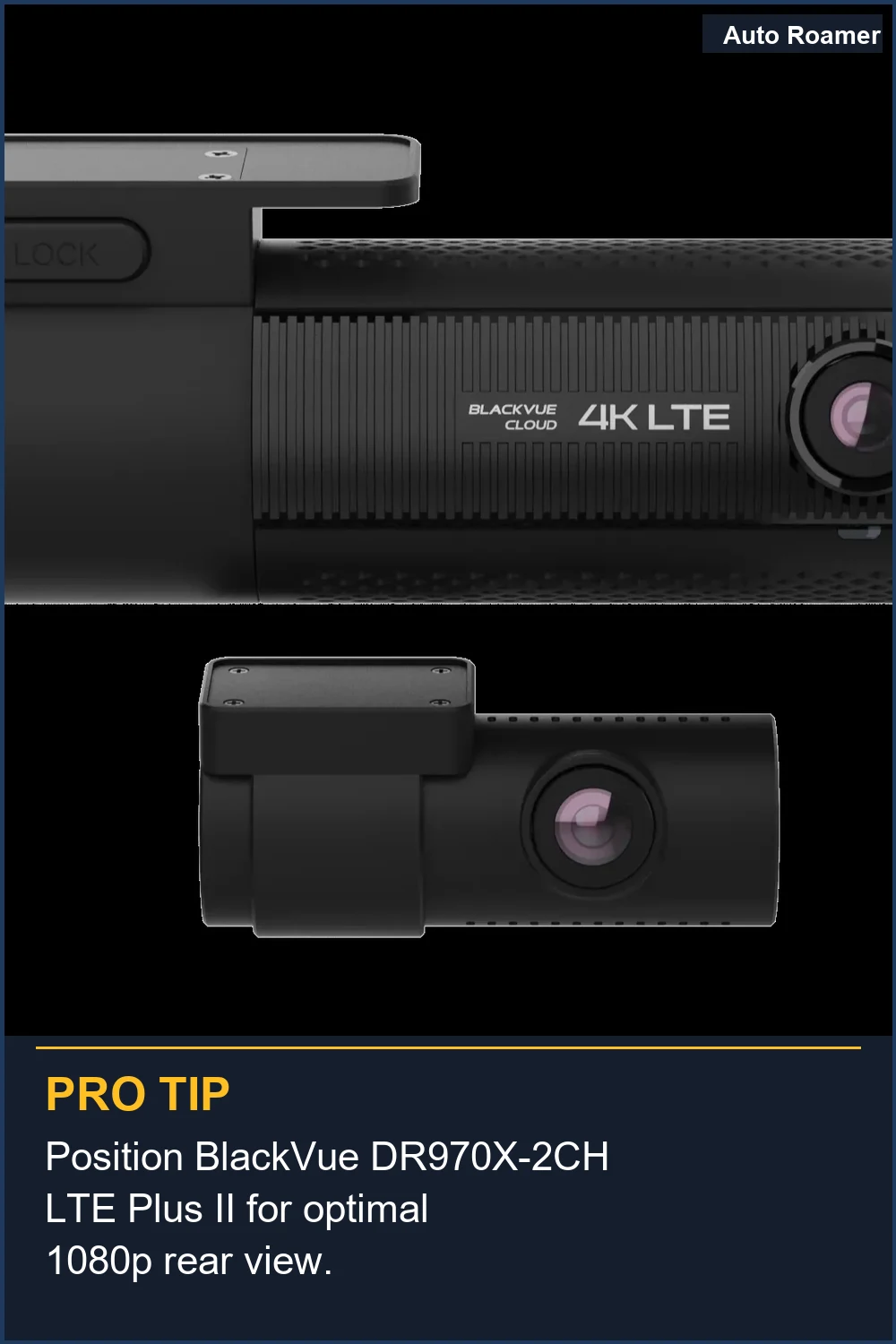
BlackVue DR970X-2CH LTE Plus II | Photo by BlackboxMyCar
Frequently Asked Questions
What's the real cost difference if I install a dashcam myself versus having a shop do it?
Do I actually need to buy a specific 'dashcam' SD card, or can I just use any old microSD?
I hardwired my dashcam, but my car battery still dies sometimes. What gives?
Can a cheap dashcam actually damage my car's electrical system?
Is it true that dashcams with screens are less reliable because of heat?
🏅 Looking for Gear Recommendations?
Check out our tested gear guides for products that work with this setup: