Where to Start
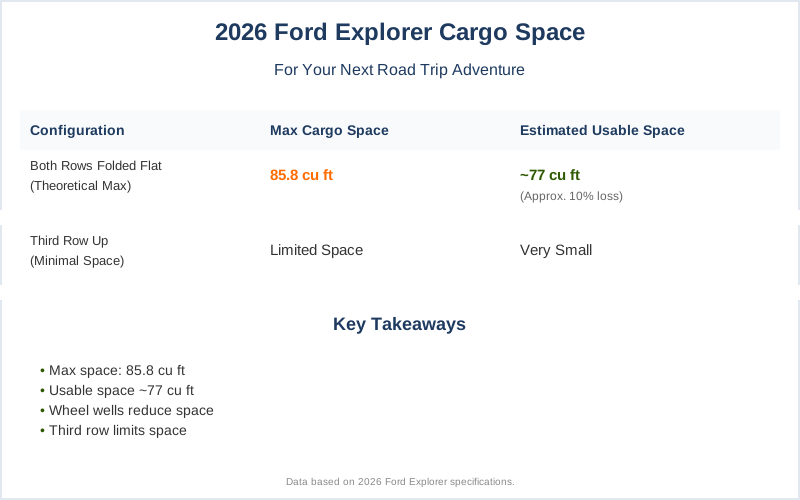
The 2026 Ford Explorer offers a respectable 85.8 cubic feet of cargo space when you fold down both the second and third rows of seats. This number sounds like a lot on paper, and it is, but the real-world usability is what matters when you're trying to stuff your entire life into an SUV for a road trip.
I learned that the hard way trying to fit a week's worth of camping gear for two people into a much smaller hatchback. It was an exercise in futility and creative Tetris. Beadle Ford's guide explains the flexibility, but the real question is how much gear can actually fit without becoming a rolling hazard. This SUV is built for real life and adventures, which means it needs to handle more than just groceries.
Jim Ellis Ford agrees it's built for real adventures.
The Core Answer
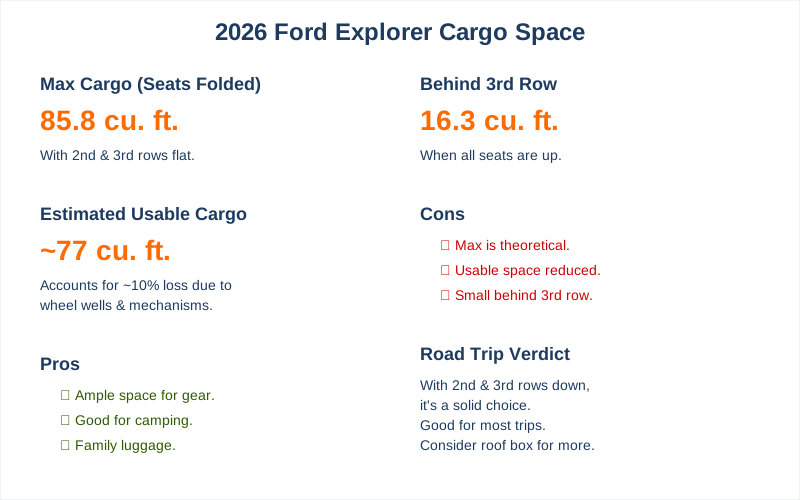
The 2026 Ford Explorer gives you a maximum of 85.8 cubic feet of cargo space when you flatten out both the second and third rows of seats. Auto Roamer points out that this is a theoretical maximum, and you'll likely lose about 10% of that to things like wheel wells and seat mechanisms that don't fold perfectly flush. So, in reality, you're probably looking at closer to 77 cubic feet of usable space.
That's still a decent chunk, enough for some serious camping gear or a family's worth of luggage. Edmunds confirms the 85.8 cu.ft. maximum cargo capacity. When all the seats are up, you're left with a much smaller 16.3 cubic feet behind the third row. US News Cars notes it can accommodate plenty of cargo. This is the area where I once tried to cram a full-sized cooler, a duffel bag, and a dog crate. It didn't end well.
The real move here is to utilize that larger space by folding those seats down. The load floor isn't perfectly flat, but it's much better than trying to stack things precariously in the passenger cabin. Beadle Ford's guide emphasizes the three-row flexibility. Think of that 85.8 cubic feet as your blank canvas, but be prepared to work around the architectural quirks of the interior. The angled seatbacks and wheel wells eat into the corners, so efficient packing is key.
I've learned to use soft duffel bags that can squish into tight spots, rather than rigid containers. This is the $50 version of cargo optimization: just pack smarter, not harder. Jim Ellis Ford mentions it's enough for bulky gear like camping equipment. If you're carrying passengers in the second row, you'll have about 47.9 cubic feet of space behind them, which is still pretty generous for most weekend trips.
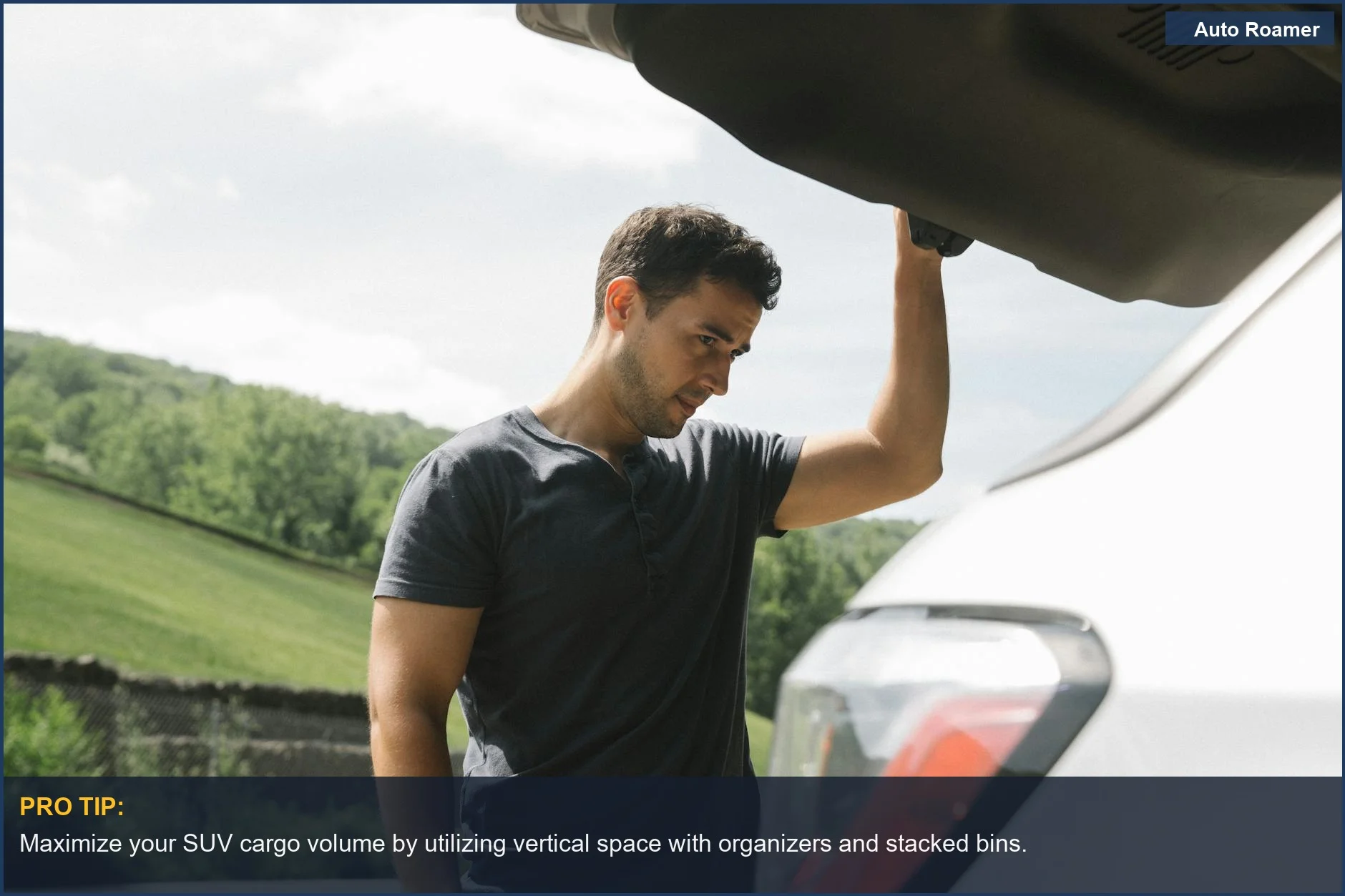
AutoNation Ford Katy states room up to 85.8 cubic feet. This is where you can comfortably fit a couple of large suitcases and a medium-sized cooler without issue. My first attempt at packing for a road trip involved a cooler, three large suitcases, and a gym bag, all crammed behind the second row. It was a tight squeeze, but everything fit. The key is to use the vertical space as much as possible, but be mindful of visibility.
Don't stack things so high you can't see out the back window. Ford.com highlights that all Explorer models come standard with the Class III Tow Package, enabling a max tow of 5,000 lbs, which is good to know if your cargo doesn't fit inside. Carman Ford also confirms the 85.8 cubic feet with rear seats folded. This is the real move for maximizing your haul.
The honest version: you don't need to be an engineer to pack effectively, just think about how things will stack and fit together. The angled surfaces are the biggest pain point, so soft bags are your friend. I've also learned to strap down anything that might shift, just in case of sudden braking. Safety first, even when you're just hauling your camping gear. Beadle Ford details the three-row flexibility.
Consider the captain's chairs versus the bench seat in the second row; captain's chairs offer easier third-row access but reduce overall seating capacity. Jim Ellis Ford mentions it's built for real life. For road trips, this space is crucial for keeping everyone comfortable and the vehicle organized. Edmunds lists ground clearance at 7.9 inches, angle of approach at 21.0 degrees, and angle of departure at 22.0 degrees, which means it's capable of handling more than just smooth pavement.
US News Cars confirms it's well-equipped as standard.
Why This Matters for Your Setup
Why does all this cargo space actually matter for your setup?
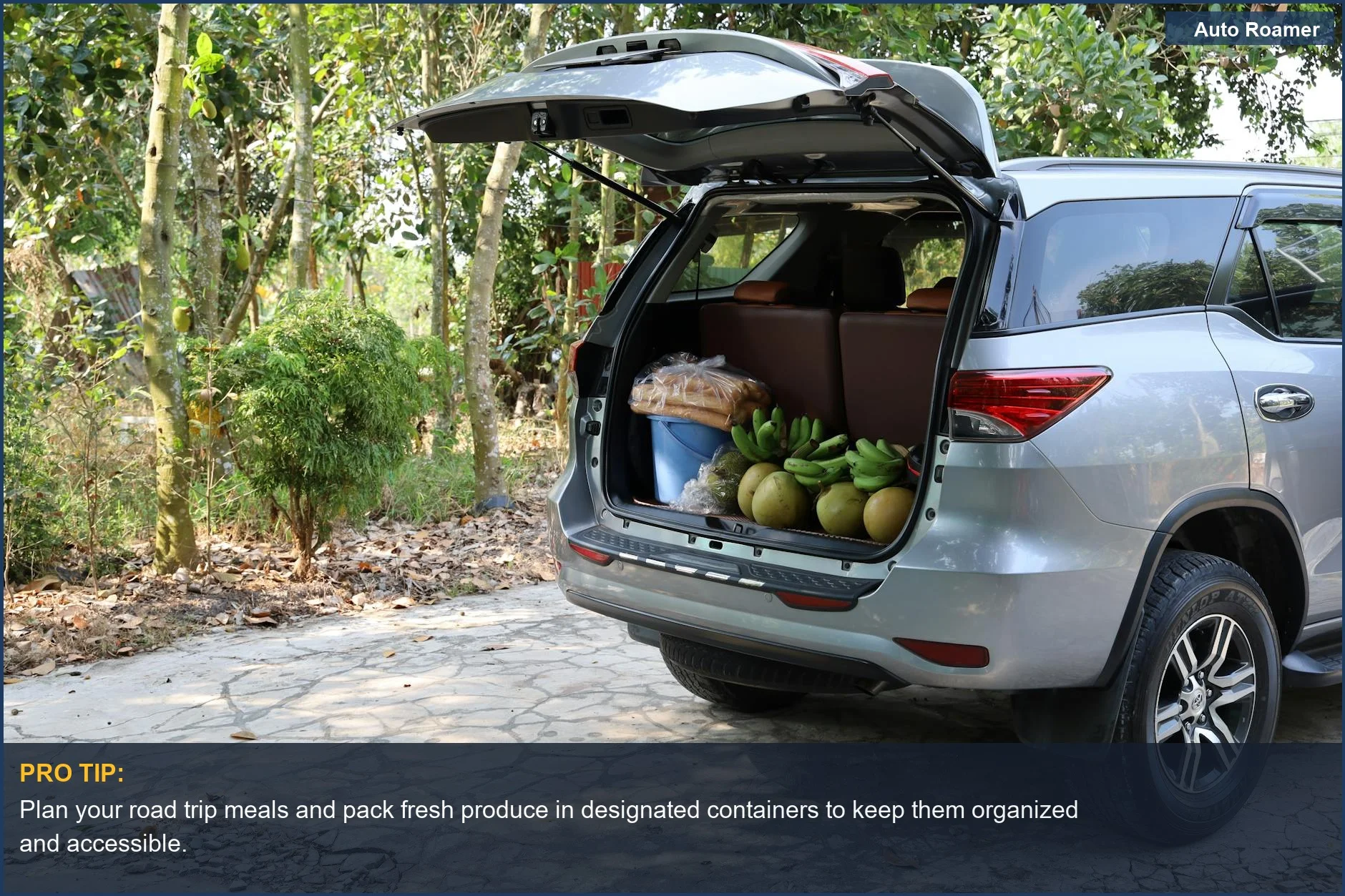
- Gear Organization is Key: Imagine this: you're at a campsite in the middle of nowhere, and you need your headlamp. Instead of digging through a chaotic pile of bags, you can actually organize your gear. With 85.8 cubic feet of space, you can dedicate zones for sleeping gear, cooking supplies, and personal items. I once spent 20 minutes fumbling for my sleeping bag in the dark because it was buried under a mountain of other stuff. Rookie mistake.
- Comfort on the Road: When you're on a long road trip, having your gear neatly stowed makes a huge difference. No one wants to sit with their knees jammed against a duffel bag for 500 miles. The 2026 Ford Explorer, with its flexible seating, means you can configure it for maximum passenger comfort and still have room for essentials. Beadle Ford's guide discusses seating configurations.
My first road trip involved my friend's knees being permanently molded into the shape of a cooler. Not ideal.
- The "What If" Factor: What if you decide to detour to a cool antique shop or pick up a last-minute souvenir? Having that extra cargo space means you don't have to leave things behind. It gives you flexibility. I remember having to mail a few things home after a spontaneous shopping spree because my car was already packed to the gills. The real move is to have space for the unexpected.
Jim Ellis Ford calls it an SUV built for real adventures.
- Streamlined Setup and Teardown: When you arrive at your destination, the easier it is to unload, the better. If your gear is organized and accessible, setting up your camp or hotel room is a breeze. Conversely, if everything is a jumbled mess, you'll spend more time wrestling with bags and less time enjoying your trip. I've seen people spend an hour just trying to find their tent poles. Brilliant engineering, right?
Making the Right Choice
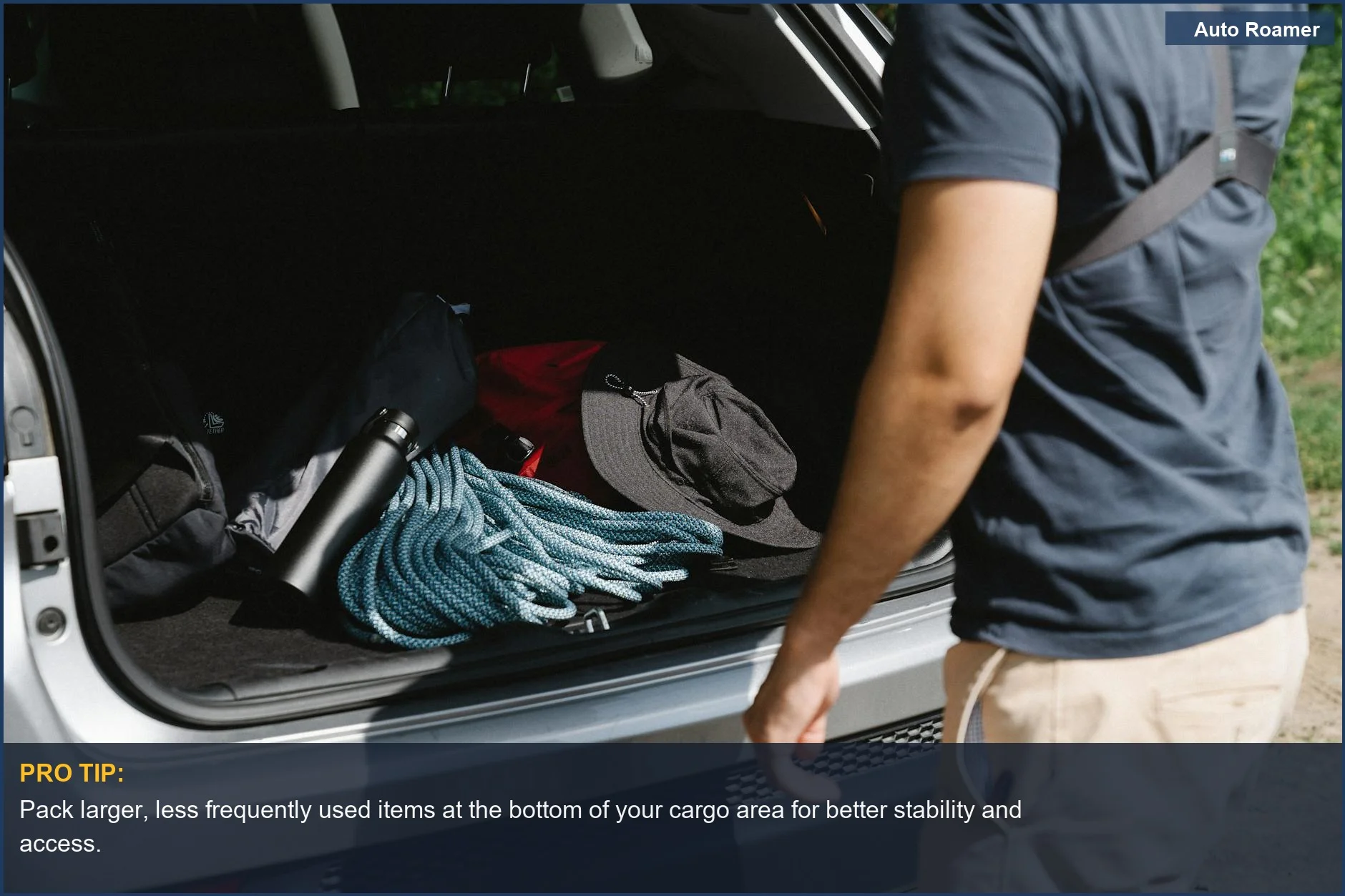
Making the right choice about how you pack and utilize your vehicle's cargo space is critical for any road trip. The 2026 Ford Explorer offers a substantial 85.8 cubic feet of maximum cargo volume, which is a game-changer for hauling gear. Edmunds confirms this maximum capacity. Remember, the advertised numbers are theoretical; always account for wheel wells and seat mechanisms that eat into usable space. Auto Roamer highlights this point.
The honest version: pack smart with soft bags and utilize vertical space, but prioritize visibility. Beadle Ford discusses interior flexibility. If you're frequently hauling a lot of gear, consider how the second and third rows fold and how that impacts your packing strategy. Jim Ellis Ford notes its suitability for real adventures. This SUV is built for your life and your adventures, so make sure your packing game is up to par.