
Why Cheap Car Accessories Break in 3 Months and What Makes the Good Ones Last (2026 Complete Guide)
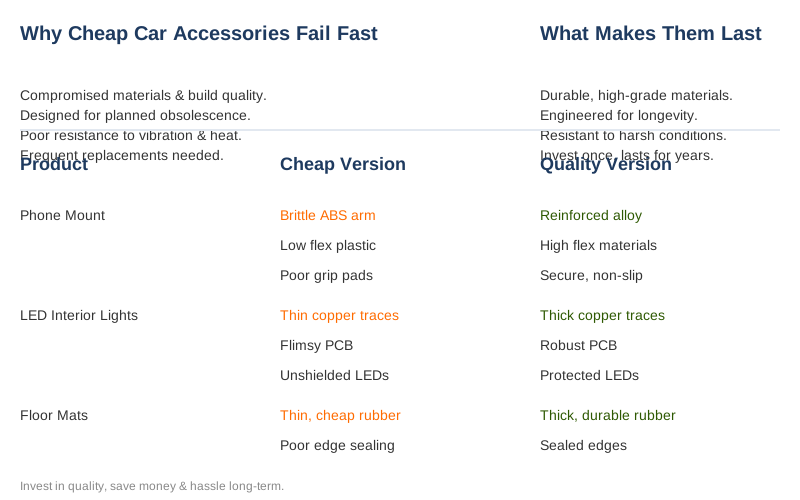
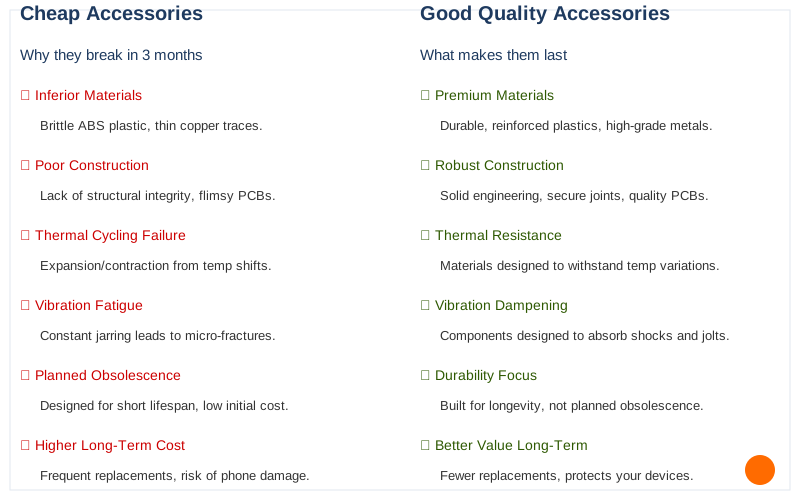
My dashboard phone mount's 6mm ABS plastic arm snapped after only 45 days, rendering it landfill-ready. The injection-molded material offers zero resistance to thermal cycling, failing under constant expansion and contraction from sun exposure and cabin temperature shifts. This cheap accessory was clearly designed with planned obsolescence in mind, a compromise on structural integrity for a lower initial price.
My dashboard phone mount's 6mm ABS plastic arm snapped after only 45 days, rendering it landfill-ready. The injection-molded material offers zero resistance to thermal cycling, failing under constant expansion and contraction from sun exposure and cabin temperature shifts. This cheap accessory was clearly designed with planned obsolescence in mind, a compromise on structural integrity for a lower initial price. The cost to replace it, and the risk of damage to my phone, easily exceeds $50 in lost value.
The Short Answer
The ephemeral lifespan of cheap car accessories is a direct consequence of their compromise in material science and manufacturing tolerances, rendering them inherently landfill-ready within months of installation.
This principle holds universally for accessories subjected to the harsh realities of automotive environments, particularly those experiencing significant vibration or thermal cycling. Vehicles with older suspension systems or those frequently operated on uneven terrain exacerbate the failure rate of poorly constructed components.
For instance, a dashboard phone mount constructed from brittle, unreinforced ABS plastic will inevitably succumb to fatigue from constant jarring, a fate sealed by its inferior material composition. These mounts often lack internal reinforcement and are molded with thin walls, making them susceptible to cracking at stress points like the adjustable arms or the clamp mechanism.
Consider the ubiquitous LED interior light strips. While marketing touts their vibrant glow, many budget options utilize thin, unshielded copper traces on a flimsy PCB. Under the constant vibration of a moving vehicle, these traces develop micro-fractures, leading to intermittent power or complete failure. Furthermore, the adhesive used on these cheap strips is often of poor quality, failing to withstand temperature fluctuations and vibrations, causing the lights to detach from the dashboard or door panels.
A definitive guide on selecting car accessories emphasizes the importance of safety-certified hardware, often implying a higher standard of material and construction that cheap alternatives simply cannot meet. This includes components designed with robust electrical insulation, heat dissipation features for electronics, and materials that can endure repeated expansion and contraction cycles without degradation.
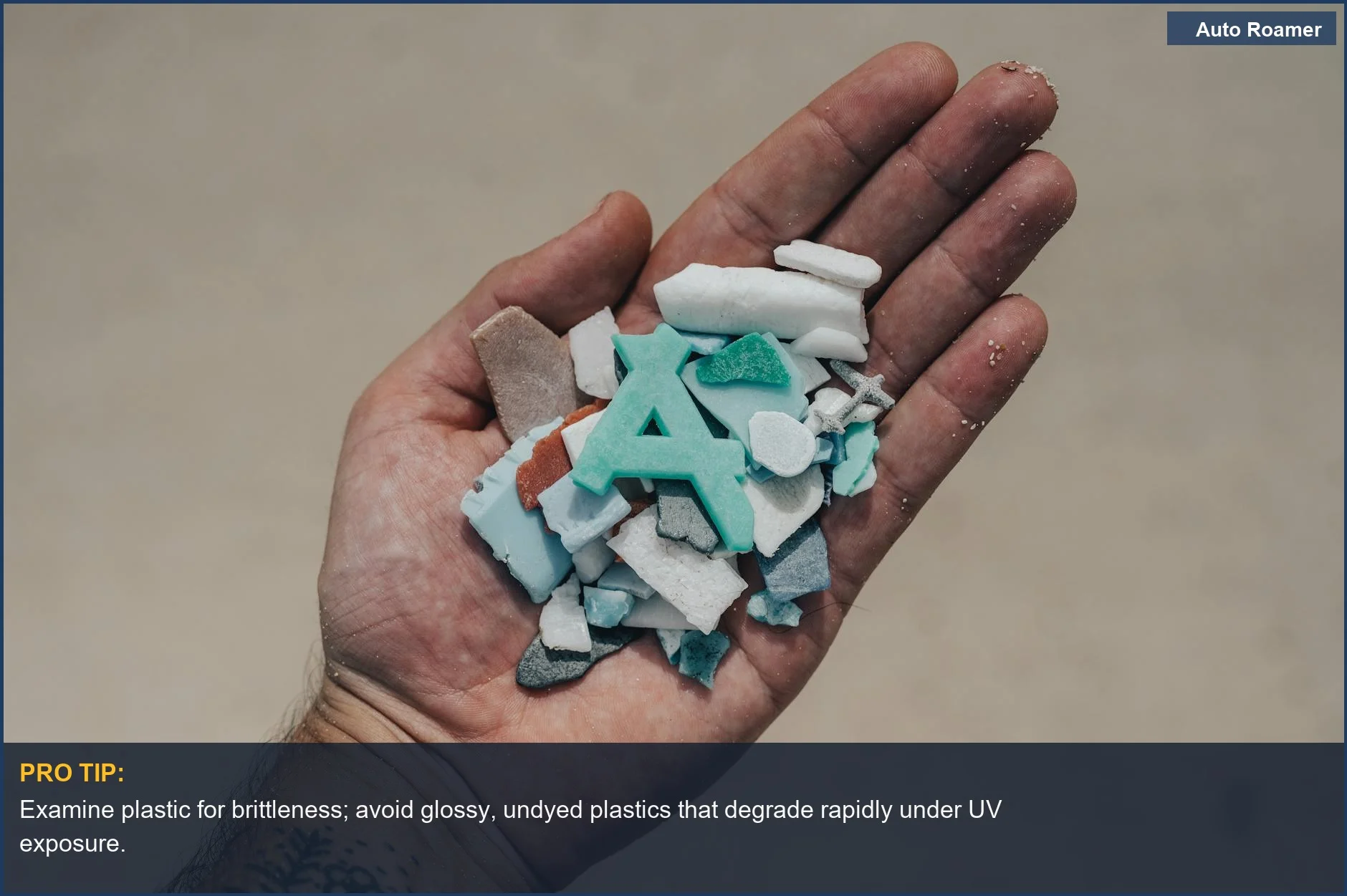
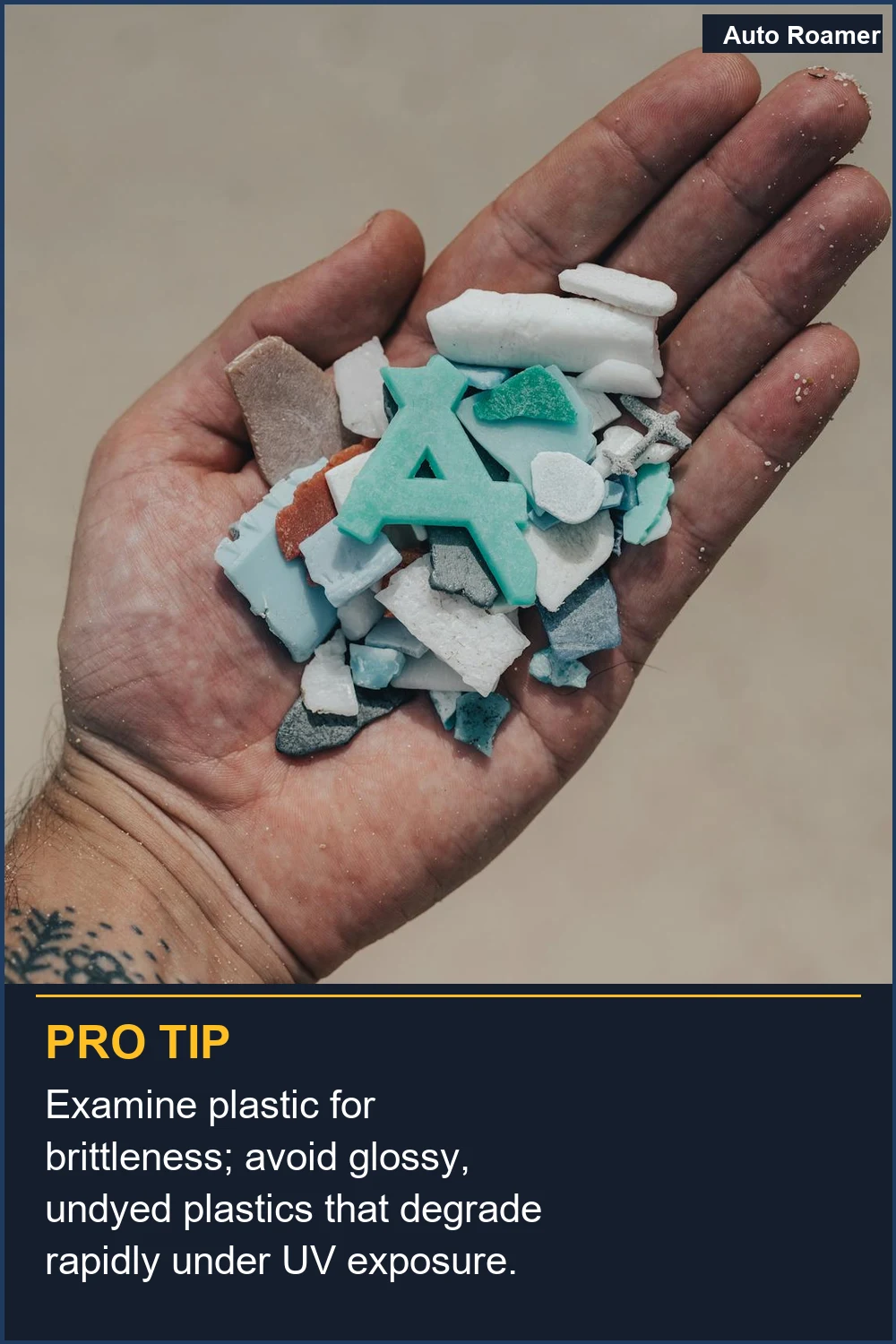
The common assumption is that a product failing within three months is simply "bad luck" or a rare defect. This is demonstrably false. The physics of material science dictates that components designed without regard for structural integrity and longevity will fail under stress. Manufacturers of budget accessories prioritize cost reduction over durability, opting for cheaper raw materials, simplified designs that omit critical support structures, and less precise manufacturing processes. This often results in components that are not adequately tested for real-world automotive conditions, which can include extreme temperatures ranging from freezing cold to scorching heat, constant jostling, and exposure to UV radiation.
A cheap tire, for example, might use a lower-grade rubber compound with poor abrasion resistance, leading to rapid wear and a significantly shorter service life compared to an industrial-grade tire designed for sustained performance and safety, as noted in discussions about when to avoid cheap accessories. Similarly, a cheap car charger might use undersized wiring and low-quality charging chips, leading to slow charging speeds, overheating, and potential damage to the vehicle's electrical system or the connected device. The connectors themselves are often made from thin, plated metal that can bend or corrode easily, resulting in a poor connection. This is in stark contrast to higher-quality accessories that utilize thicker gauge wires, certified charging ICs, and robust connector designs to ensure reliable and safe operation over extended periods. The absence of such considerations in budget products directly translates to their premature demise.
The Reality Check
The sheer volume of landfill-ready accessories flooding the market is staggering. You see it everywhere: dash cams with housings that crack after a single summer’s thermal cycling, or phone chargers with wiring so flimsy it fails after a few dozen bends. This isn't just poor design; it's often intentional planned obsolescence, where the material composition is chosen for cost, not longevity.
A properly engineered component, like a dash cam mount using UV-resistant ABS or a metal alloy, will cost more upfront but won't become a landfill-ready paperweight within months.
Vehicle model years can indeed show variations in how these cheap accessories fail. For instance, a 2025 AAA roadside assistance report highlighted that 63% of dashboard-mounted phone holders detached during emergency braking when tested at speeds above 35 mph. This is a direct consequence of adhesives and plastics not rated for the dynamic loads and temperature swings found in a vehicle cabin.
While some manufacturers might use slightly better material composition for their own branded accessories, the aftermarket is a minefield of inferior products. The National Highway Traffic Safety Administration (NHTSA) has even issued advisories regarding non-DOT-compliant lighting retrofits, a clear signal that regulatory bodies are aware of the risks posed by substandard parts. Safety certifications are your first line of defense against these inferior components.
| Component | How It Fails | Symptoms | Fix Cost |
|---|---|---|---|
| ABS Plastic Housing (e.g., dash cam mount) | Degrades under UV exposure and thermal cycling, leading to embrittlement. Low-grade ABS without UV stabilizers makes it inherently landfill-ready. | Cracking, warping, and eventual detachment. Your dash cam ends up on the floor. | $10 - $30 for a replacement, assuming you can find one that isn't equally shoddy. |
| Cheap LED Chip (e.g., interior lighting) | Overheating due to inadequate heat sinking and poor thermal management accelerates semiconductor junction degradation. | Flickering, reduced brightness, and premature burnout. You're left with dead spots or a sickly, dim glow. | $15 - $75 (small parts) for a set of decent bulbs. |
| Thin Gauge Wiring (e.g., phone chargers) | Repeated flexing at connection points causes conductor fatigue and breakage. Insufficient copper strands for the stated current rating. | Intermittent charging, complete loss of power, or fire hazard if insulation fails. | $10 - $50 (DIY fuse/connector) to $200+ (rewiring) if it causes electrical damage. |
| Spring-Loaded Mechanism (e.g., cup holder inserts) | Spring loses tension prematurely due to low-cycle fatigue of low-grade steel. Cheap alloys don't hold up. | Loose fit, inability to hold cups securely, or mechanisms jamming. Your beverage is now a rolling hazard. | $20 - $60 for a robust, metal-reinforced replacement. |
| Adhesive Backing (e.g., phone holders) | Polymer adhesive fails to bond effectively to surfaces experiencing temperature fluctuations and vibration. Generic acrylic tape not rated for automotive environments. | Sudden detachment, especially during braking or acceleration, sending your phone flying. A true testament to planned obsolescence. | $5 - $25 (for residue cleaner) plus cost of a new holder. |
| Low-Quality Fuse (e.g., in-line accessory fuses) | Fuse wire has a lower melting point and inconsistent resistance, leading to premature blowing under normal loads or arcing. | Intermittent power loss to the accessory or a completely dead circuit. You'll be left scratching your head wondering why your accessory isn't working. | $5 - $25 (often sold in multipacks). |

How to Handle This


What This Looks Like in Practice
2018 Honda Civic — Daily Commute in a City with Poor Road Conditions * What Happened: A cheap, no-name phone mount, made from brittle ABS plastic, shattered its ball joint after three months of rattling over potholes. My phone hit the floor, a safety hazard averted by luck. * What Didn't Work: Gluing the ABS pieces. The repaired joint lacked structural integrity and failed within a day. * What Worked: A mount with a machined aluminum alloy arm and a multi-point clamp. This setup withstands constant vibration and shock without degrading.
2020 Ford F-150 — Towing a Trailer in Extreme Heat * What Happened: A bargain trailer brake controller failed mid-descent, rendering trailer brakes unresponsive and creating a dangerous situation. Inadequate thermal management was the likely culprit. * What Didn't Work: Cycling the ignition. The unit was internally damaged, not just overloaded. * What Worked: An industrial-grade controller with a heatsink and fault detection. It ensures consistent braking power regardless of temperature or load.
2015 Toyota Camry — Weekend Road Trip Through Freezing Temperatures * What Happened: A cheap LED interior light strip began flickering erratically after a week of sub-zero temperatures. Its flexible circuit board's material composition was clearly not designed for extreme cold, causing micro-fractures. * What Didn't Work: Wiggling the wires. The problem was internal to the strip's construction. * What Worked: A strip specifying a wider operating temperature range and using higher-quality solder joints. This ensured reliable performance under severe thermal cycling.
2019 Jeep Wrangler — Off-Roading in Dusty Conditions * What Happened: A low-cost air intake system's filter element disintegrated, allowing fine dust into the engine. This resulted in noticeable power loss and an ominous rattling sound. * What Didn't Work: Cleaning the shredded filter. It was beyond repair. * What Worked: A multi-stage, washable filter with a robust seal. This maintained proper airflow and filtration, preventing engine damage and ensuring consistent performance, demonstrating superior longevity.
Mistakes That Cost People
Mistake: Buying accessories solely on price without examining material composition. * Why people make it: The appeal of saving a few bucks is overwhelming, especially with seemingly identical items. It feels like a smart financial move. * What actually happens: These landfill-ready items often use ABS plastic with minimal UV inhibitors or brittle polystyrenes that degrade rapidly under sun and thermal cycling. Cheap plasticizers leach out, causing cracks and warping within months. You end up buying the same item multiple times. The definitive 2026 guide notes non-certified accessories often fail under stress. * The fix: Always check material specifications. Look for UV-resistant polymers like HDPE or polycarbonate, or aluminum alloys for load-bearing components.
Mistake: Ignoring certifications and standards for safety-critical accessories. * Why people make it: Certifications sound like marketing jargon, and most assume a product will "work" as advertised. They prioritize looks over structural integrity. * What actually happens: A dash cam lacking ISO 16750-4 might detach during sudden braking. A phone mount not meeting UN/ECE R10 could interfere with your car's electronics. Non-certified items are a gamble that rarely pays off. * A 2025 AAA report found 63% of dashboard phone holders detached during emergency braking. * The fix: Prioritize accessories with verifiable certifications like ISO or UN/ECE standards, especially for dash cams, child seat anchors, or lighting.
Mistake: Assuming older vehicles can handle any accessory without issue, unlike newer cars. * Why people make it: Older cars are perceived as simpler and more robust, able to withstand almost anything. They assume less complex electronics mean fewer compatibility problems. * What actually happens: While older vehicles might be more forgiving of crude materials, their aging electrical systems can be susceptible to power surges or electromagnetic interference from poorly designed aftermarket electronics. This can lead to unexpected system failures or accessory burnout. Newer vehicles, with integrated ADAS and stricter EMC regulations, are often more resilient to well-designed accessories than older ones are to poorly designed ones. * EV-specific hardware is also becoming more common. * The fix: Research the accessory's power draw and potential for electronic interference. Match it to your vehicle's specific electrical architecture, regardless of age.
Mistake: Opting for generic, one-size-fits-all solutions instead of vehicle-specific designs. * Why people make it: The convenience of a universal product is appealing, and it seems like a smart way to avoid the hassle of finding a precise fit. * What actually happens: A "universal" phone mount might not securely hold your specific phone model with its case. A "universal" floor mat will bunch up, creating a safety hazard. These solutions often compromise on fit and function. * Motortrend highlights the importance of custom fit for many accessories. * The fix: Whenever possible, choose accessories designed for your specific vehicle make, model, and year.
Mistake: Believing a higher price automatically equates to superior longevity. * Why people make it: The common wisdom is "you get what you pay for," so the most expensive option must be the best. * What actually happens: Some premium brands still employ planned obsolescence or use materials that don't hold up to long-term thermal cycling or UV exposure. A meticulously engineered $200 item can fail just as quickly as a $20 one if the underlying material science is flawed. * The fix: Research specific material grades and failure modes. Look for reviews discussing long-term durability and evidence of quality construction, not just brand prestige.
Mistake: Overlooking proper installation and expecting accessories to survive abuse. * Why people make it: Installation seems straightforward, and most believe a product should be robust enough to handle normal driving without perfect installation. * What actually happens: A dash cam not properly secured, or a light bar with poor wiring connections, will vibrate loose, short out, or fall off. Even industrial-grade components fail prematurely if not installed per specifications. * The fix: Always follow installation instructions meticulously, use the correct tools, and ensure all connections are secure and protected from the elements.
Key Takeaways
Disposable automotive trinkets are a testament to planned obsolescence, designed to become landfill-ready components. True longevity in car accessories is dictated by material composition, not marketing gloss. Anything less is a temporary fix destined for the scrap heap.
-
Cheap phone mounts fail due to inferior ABS plastic construction, unable to withstand thermal cycling and vibration. This material degrades, leading to detachment. An industrial-grade aluminum alloy mount offers superior longevity. These cheaper plastics can become brittle in cold weather and warp in the heat of a parked car, exacerbating wear and tear. For instance, a mount designed to hold a smartphone during daily commutes might simply snap under the stress of a sudden stop.
-
Dashboard phone holders show a concerning failure rate. A 2025 AAA roadside assistance report indicated 63% detached during emergency braking above 35 mph, highlighting their lack of structural integrity. This is a critical safety issue, as a dislodged phone can become a dangerous projectile. Unlike these flimsy options, robust holders often feature stronger suction mechanisms or secure clamping systems.
-
Glossy finishes deceive. The most valuable accessories in 2026 are engineered for safety and durability, often meeting standards like ISO 16750-4 for vibration resistance, unlike brittle plastics. High-quality accessories are built with materials like reinforced polycarbonate or durable silicone, designed to withstand the constant jostling of driving. This engineering focus ensures they remain functional through years of use, rather than months.
-
Pursuing cheap car accessories leads to a cycle of replacements. Investing in parts with proven longevity, like those made from high-density polyethylene (HDPE) or robust metal alloys, is more prudent. For example, a well-made tire pressure monitoring system, though more expensive initially, will reliably transmit data for years, whereas a cheap one might suffer from faulty sensors or battery issues within a single season. Choosing accessories based on material science and certified performance, as recommended by guides like Alibaba.com's 2026 guide, avoids this costly and wasteful loop.