
When to Call Roadside Assistance for Car Camping Issues (2026 Complete Guide)
My first flat tire on a car camping trip happened 80 miles from cell service, deep in the George Washington National Forest. It was 3PM, November, and the sun was already thinking about clocking out. I spent 43 minutes wrestling a rusted spare tire from under my Honda Element, only to realize the jack was missing its handle.
My first flat tire on a car camping trip happened 80 miles from cell service, deep in the George Washington National Forest. It was 3PM, November, and the sun was already thinking about clocking out. I spent 43 minutes wrestling a rusted spare tire from under my Honda Element, only to realize the jack was missing its handle. That's when I finally called for help, or rather, drove until I could call for help.
The ultimate road trip safety guide says safety is top priority, and sometimes that means admitting defeat.
The honest version: knowing when to call roadside assistance isn't about being weak. It's about being smart. You're out there to enjoy the outdoors, not to become a mechanic in the wilderness. Sometimes the best move is to let a pro handle it.
The Short Answer
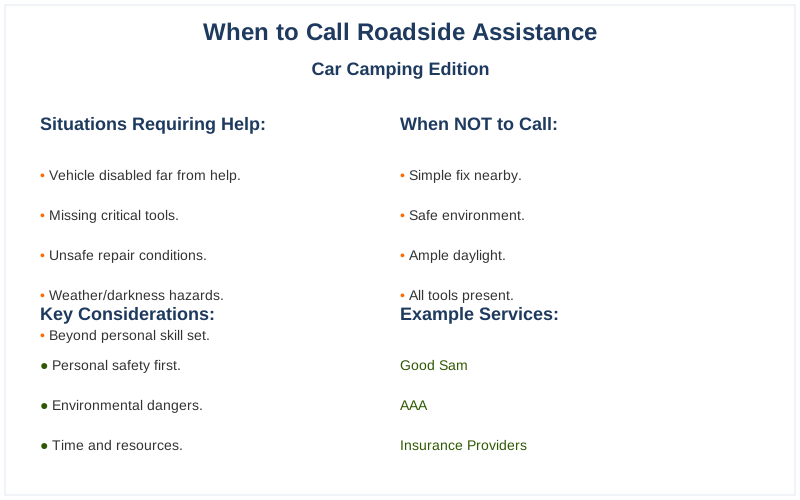
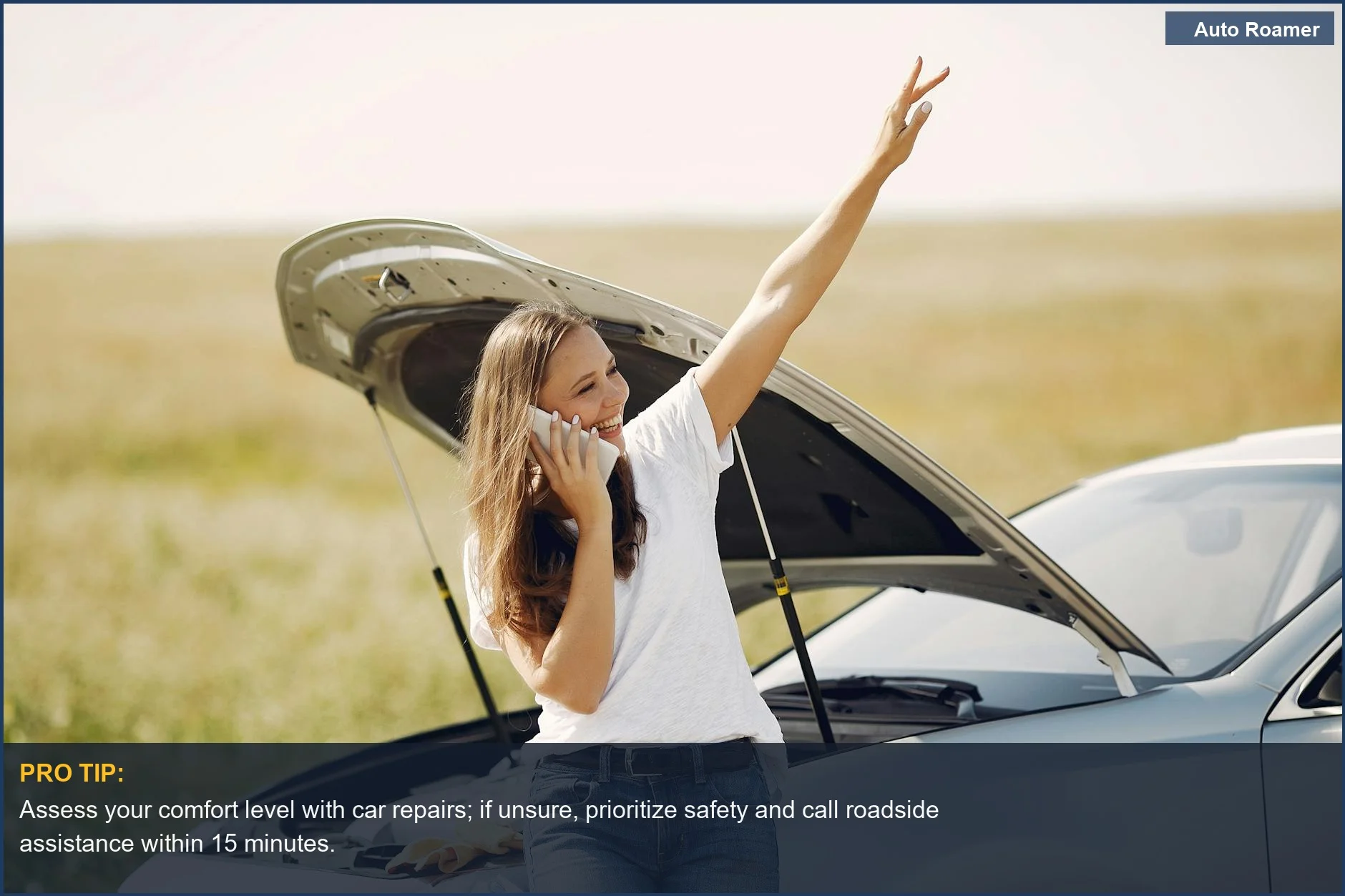
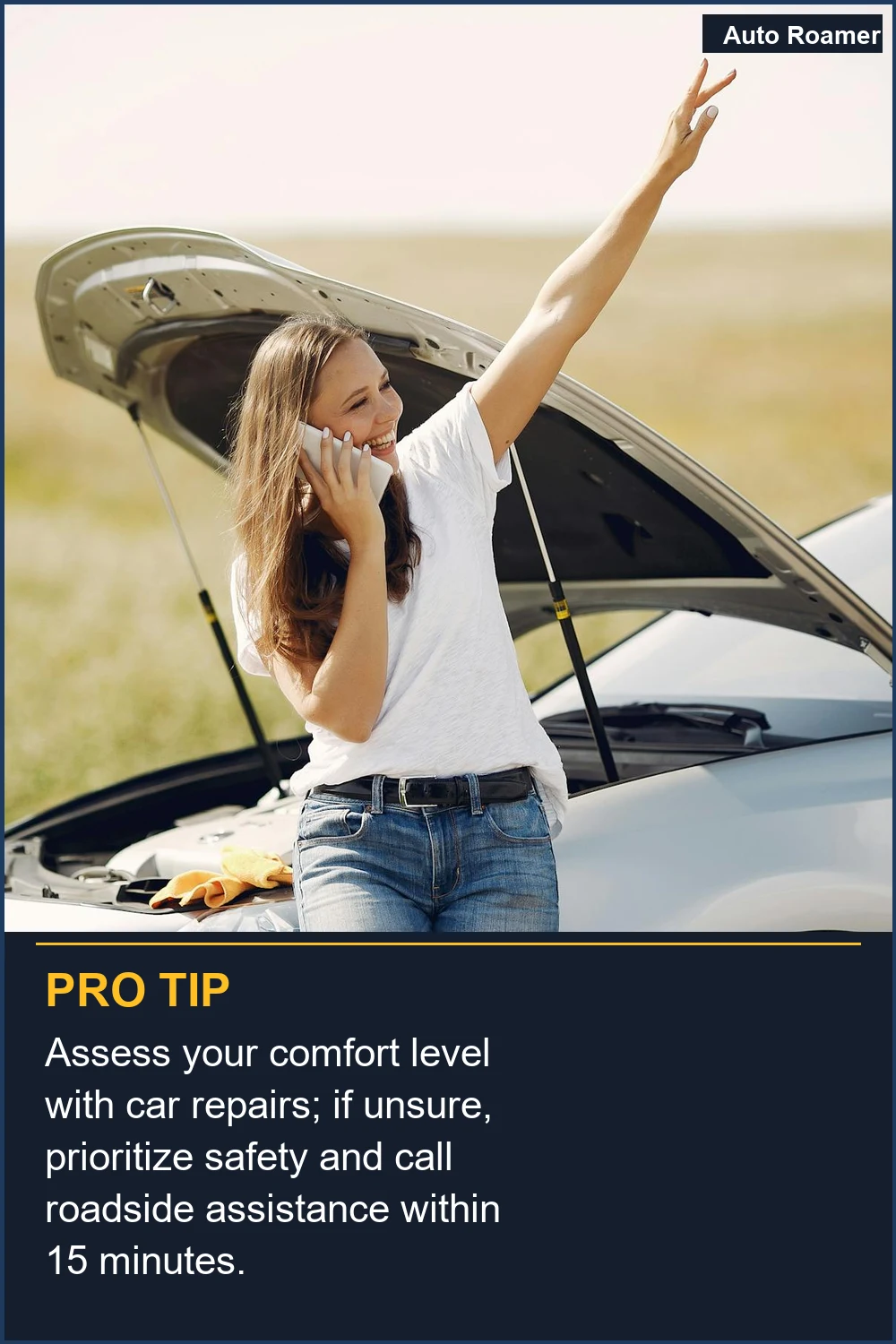
I used to think calling roadside assistance was for people who couldn't change a tire. Rookie mistake. It's actually for when the situation is bigger than your skills, your tools, or your immediate surroundings.
This isn't about pride; it's about not turning a flat tire into a hypothermia situation.
Think about it: a dead battery in a Walmart parking lot at noon is a different beast than a dead battery on a dark, deserted forest road at 2 AM. The car problem itself might be simple, but the context makes all the difference.
Good Sam Roadside Assistance points out it's a safety net for the unexpected.
My Subaru had a flat in a downpour once, 5 miles down a muddy fire road in Pisgah National Forest. I had a spare, sure. But the thought of changing it in that mud, with slippery tools and limited visibility, made me pause.
That's when you realize your personal safety and the risk of turning a minor issue into a major one are worth more than proving you're a DIY hero.
What nobody tells beginners is that your car's issue is only half the equation. The other half is location, weather, and available resources. If you're out of cell service, or it's freezing rain, or you're on a busy highway shoulder, the calculus changes fast.
Reddit drivers often discuss whether it's worth it, and the consensus leans towards peace of mind.
My game-time decision for when to call is simple: if fixing it myself puts me in a dangerous spot, either from traffic, weather, or lack of proper tools, then the phone comes out. It's not about what I can do, but what I should do.
The Reality Check
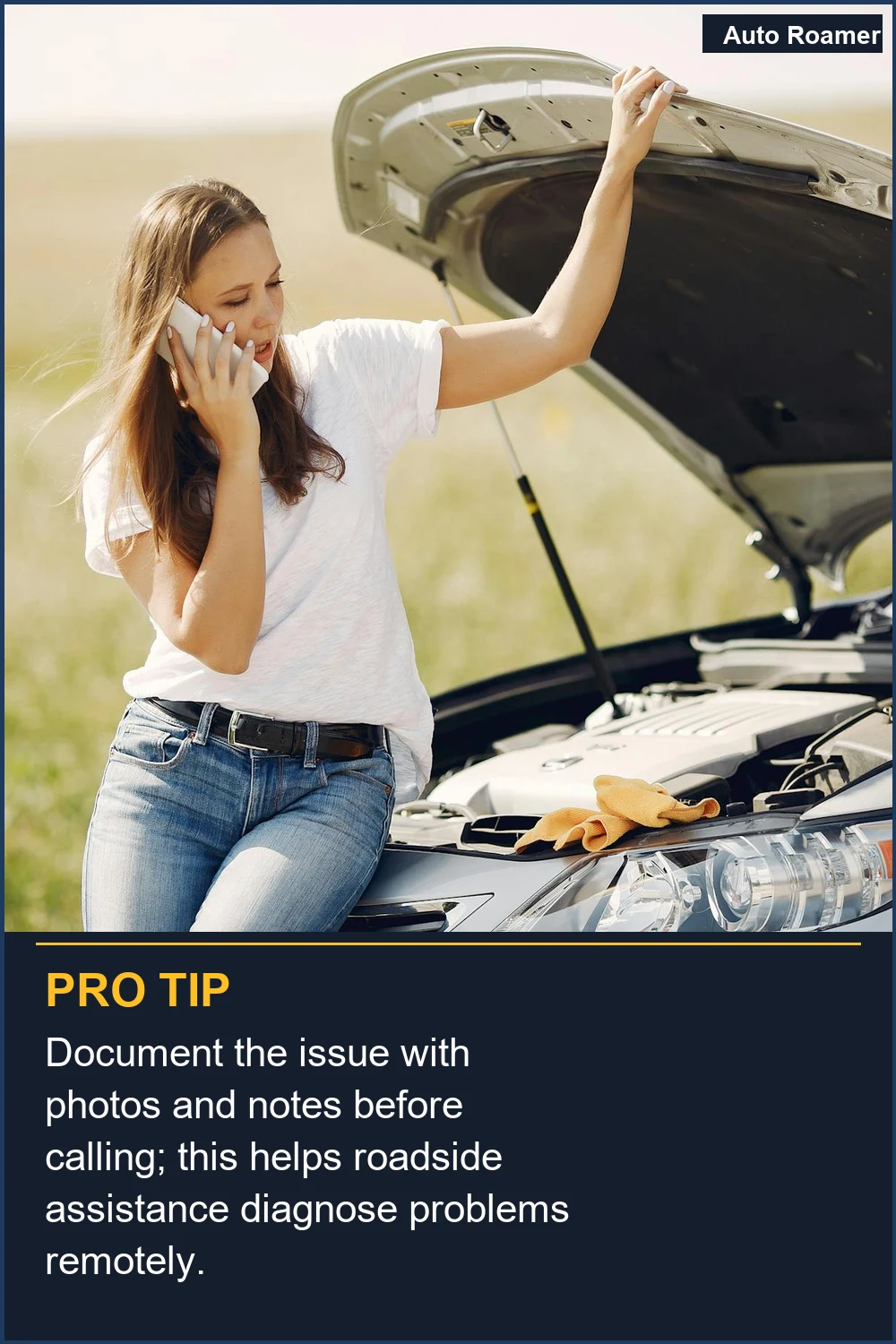
When something goes wrong on the road, it's never just one thing. My first car breakdown was a cracked radiator hose on a dirt road in Kentucky. It started with a weird smell, then steam, then the temperature gauge spiked. I tried to patch it with duct tape - brilliant engineering, I know - but that lasted about 10 minutes. BDTowing.com highlights breakdowns and mechanical issues as common reasons for a call.
Understanding how your vehicle typically fails is key.
It's not about becoming a master mechanic, but knowing what a dead battery feels like versus a truly blown engine. Most car camping issues are actually pretty basic, but the environment makes them feel apocalyptic.
Here's a quick rundown of common failures I've personally experienced, or seen other weekend warriors struggle with:
How to Handle This
Okay, so your rig is acting up. The first step, before you even think about calling for help, is to assess the situation like a real-world field report, not just a panicked driver. I learned this the hard way in a campground near Lake Superior when my old Chevy van sputtered out, and I immediately panicked.
Daily Auto Guide advises preparing your car for long trips, but things still happen.
1. Safety First, Always: Pull over to the safest spot possible. If you're on a highway, get as far off the road as you can. Turn on your hazard lights. If it's dark, set up reflective triangles or flares if you have them. My rookie mistake was trying to fix a flat on a busy road shoulder - nearly got clipped by a semi.
Hopping Feet says the safest place is inside your locked car if traffic is nearby.
2. Diagnose (Briefly): What's the actual problem? Is it a flat? Dead battery? Overheating? Just ran out of gas? A quick check can save you a tow truck. I once called a tow for a 'dead engine' only to realize I'd forgotten to put gas in the tank. Embarrassing, but a learning experience.
3. Check Your Resources: Do you have the tools? A spare?
A jump pack? Enough water to refill a radiator? Can you safely perform the repair yourself in your current environment? If the answer to any of these is 'no,' then you're leaning towards needing help. This is the game-time decision.
4. Confirm Your Location: This is critical. Look for mile markers, road signs, or use your phone's GPS to get exact coordinates. 'Somewhere near that big oak tree' won't cut it for a tow truck.
My dad taught me to track mile markers, and it's saved me grief. Mama Bear Outdoors recommends keeping track of mile markers.
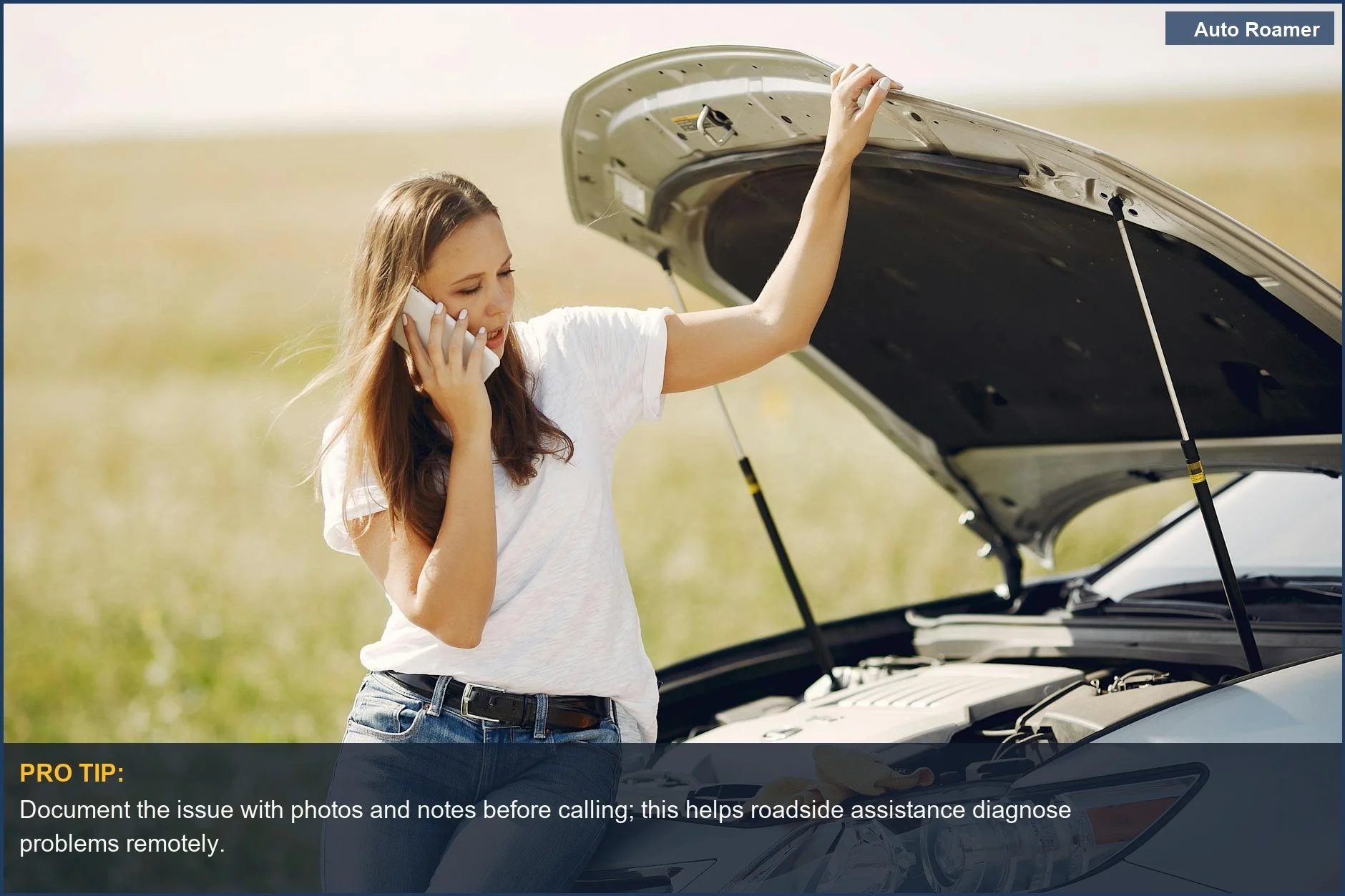
5. Make the Call: Once you've assessed everything, call your roadside assistance provider. Be clear, calm, and provide all the details: your exact location, the car's make and model, and a clear description of the problem. Car camping Facebook groups often discuss which services are best.
What This Looks Like in Practice
I've been there, done that, and probably made every mistake twice. Here's what those 'when to call' moments actually look like in the wild:
Scenario 1: The Midnight Battery Drain.* I was at a remote campsite in Catoctin Mountain Park, Maryland. My dome light stayed on all night. Woke up to a completely dead battery. No one else was around. It was 35 degrees F. I had a jump pack, but it was dead too. Called AAA at 6:30 AM.
They arrived in 55 minutes, gave me a jump, and I was on my way. Farm Bureau Financial Services lists battery issues as a top reason to call.
Scenario 2: The Un-patchable Tire.* Driving through rural Pennsylvania, my tire hit a piece of metal. It wasn't just a slow leak; it was a gash. My spare was a donut, and I was 150 miles from home.
I could've put the donut on, but driving that far on it felt risky. Called my insurance's roadside assistance. They towed my car 20 miles to the nearest tire shop for free. AAA offers towing services.
Scenario 3: The 'Out of Gas' Shame.* This was in the desert outside Moab, Utah. I misjudged my fuel range. My car died 10 miles from the nearest gas station. It was 95 degrees F. Walking was not an option.
Called my provider, they brought 2 gallons of gas. Cost me $25 for the gas and delivery, but saved me from heatstroke. The honest version: sometimes you just screw up.
Scenario 4: The Mud Pit Lockout.* My girlfriend locked her keys in her Jeep while we were deep on a muddy trail in Daniel Boone National Forest. We had cell service, thankfully.
A local locksmith, dispatched through our roadside plan, showed up in a lifted 4x4, got the door open in 15 minutes. This was a game-time decision that worked out. Car camping groups share similar stories.
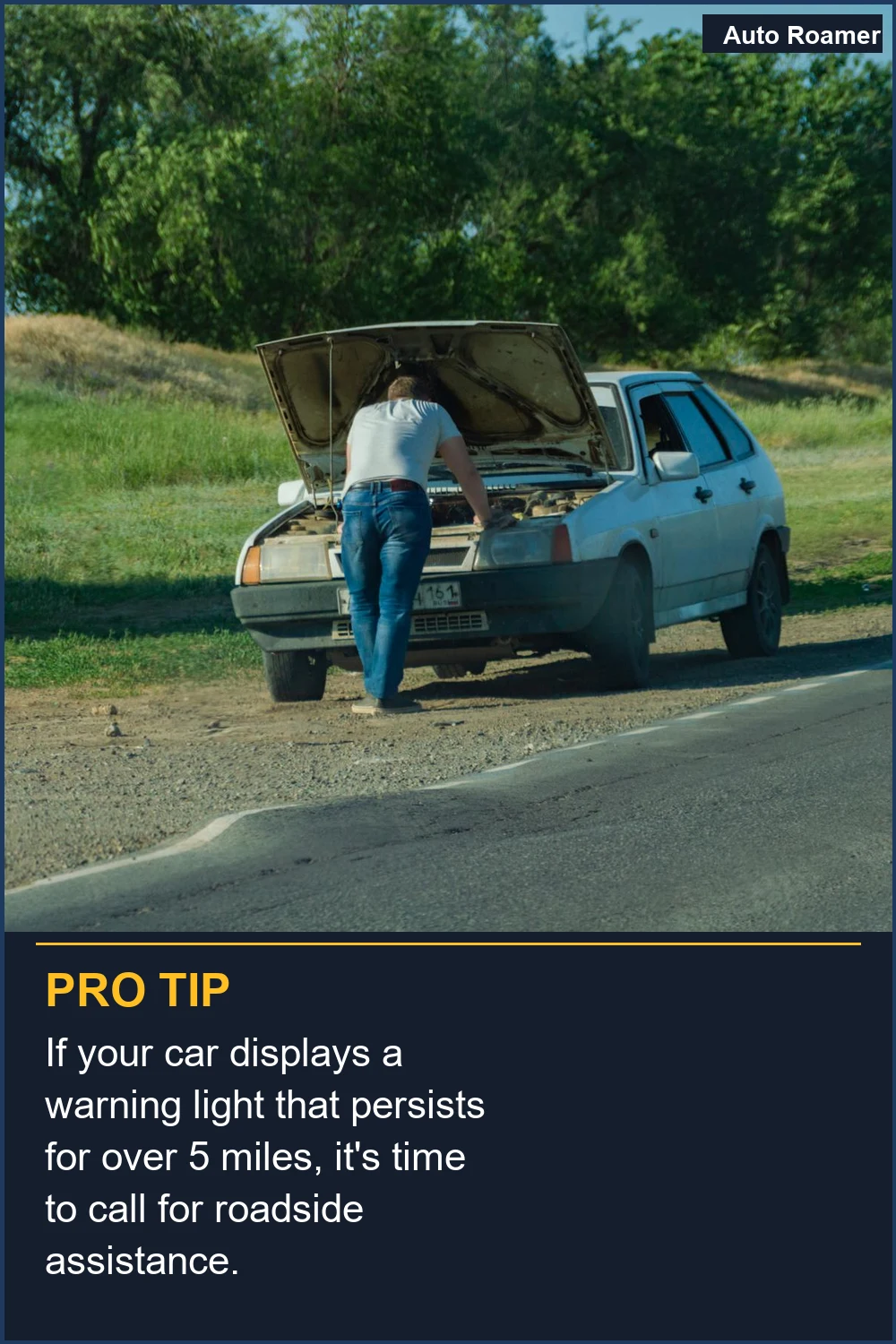
Mistakes That Cost People
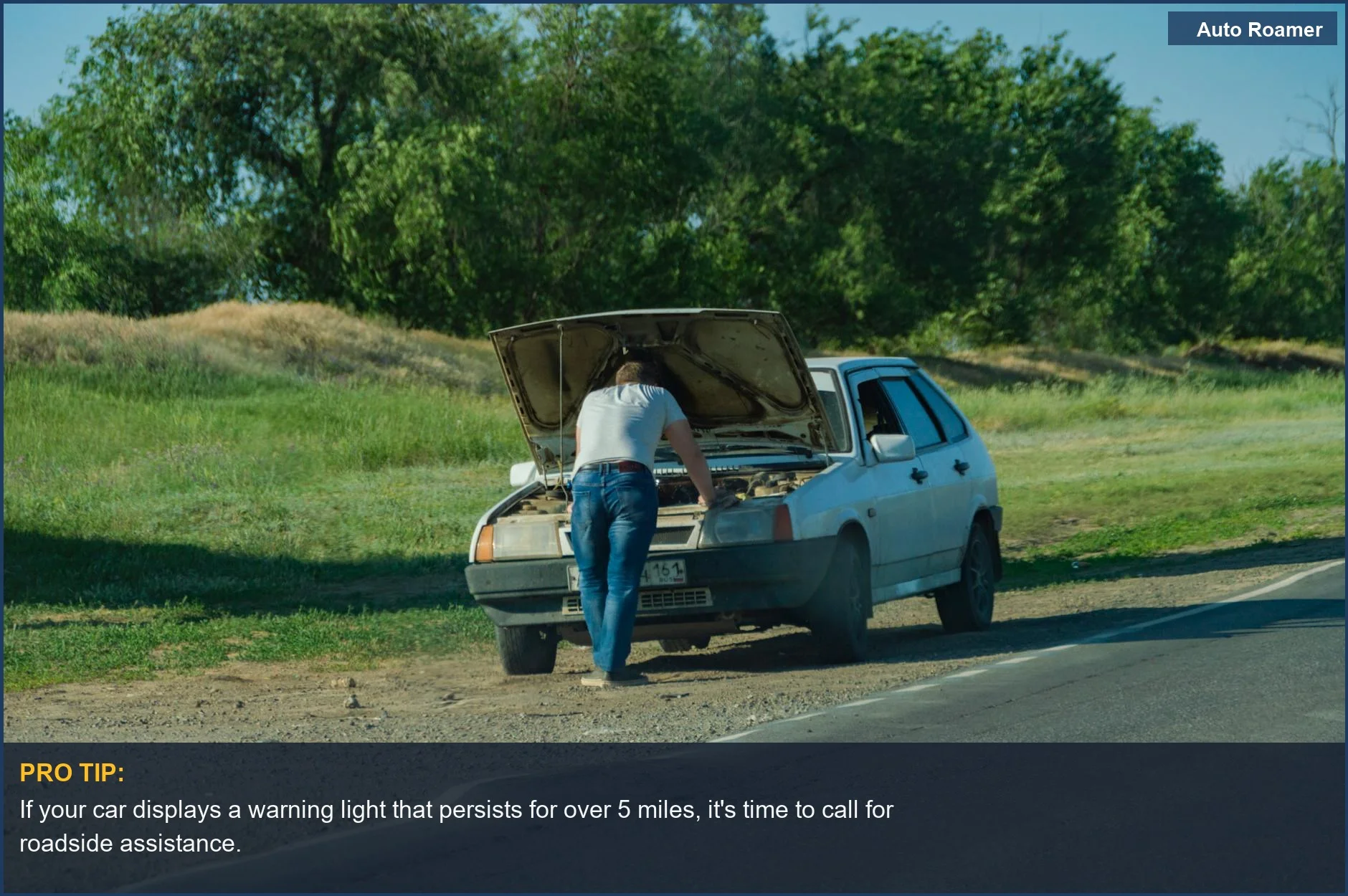
I've seen (and made) plenty of mistakes that turn a minor inconvenience into a full-blown nightmare. Don't be that guy. My biggest one was thinking I could fix anything with zip ties and duct tape. Congratulations, I was wrong.
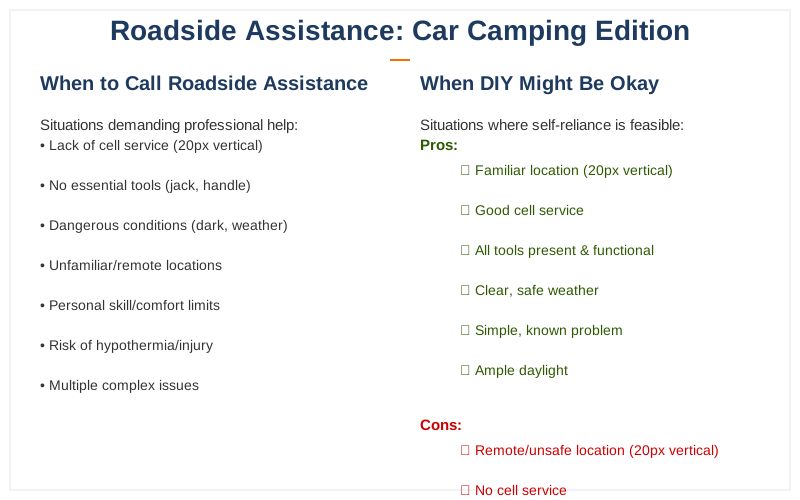
Key Takeaways
Car camping is about getting out there and experiencing nature, not about becoming a roadside mechanic under duress. Knowing when to call for roadside assistance is a crucial part of being a smart, prepared weekend warrior. I've learned these lessons the hard way, so you don't have to. Farm Bureau Financial Services lists five common times to call.
Here's the takeaway from years of trial-and-error:
- Safety First: If the environment (traffic, weather, darkness) makes a DIY fix dangerous, call for help.
Your life is worth more than saving a tow fee.
- Know Your Limits: You don't need to be a mechanic. If you lack the tools, knowledge, or physical ability for a repair, reach out.
- Location, Location, Location: Be precise with your whereabouts. Mile markers and GPS coordinates are your best friends when talking to dispatch.
- Have a Plan: A roadside assistance membership (like AAA or through your insurance) is cheap insurance for peace of mind.
It's usually $50-100 a year.
- Pack an Emergency Kit: Water, food, a blanket, and a headlamp can make a long wait much more tolerable. My kit has saved my butt more than once.
The real move is to enjoy your trip and trust the pros when the situation demands it. Don't let a breakdown ruin your adventure.
Frequently Asked Questions
Is it really cheaper to pay for roadside assistance annually than just paying for a tow if I need one?
Do I really need a dedicated jump starter pack if I have jumper cables?
What if I try to change a tire myself and completely mess it up?
Can trying to fix a minor issue myself permanently damage my vehicle?
Everyone says to always carry a full-size spare. Do I really need one if my car came with a donut?
Sources
- Roadside assistance for car campers? - Facebook
- 5 Times You Should Call Roadside Assistance
- When to Call for Roadside Assistance: A Guide to Making the Right ...
- Roadside Assistance: Is It Worth It & Should You Get It?
- 6 Ways To Be Prepared For Car Emergencies While Camping
- Is it worth to subscribe roadside assistance service for car towing?
- How to Prepare Your Car for a Long Road Trip in 2026
- The Ultimate Road Trip Safety Guide: Proven Tips for 2026
- What roadside assistance do you use for car camping? - Facebook
- Emergency AAA Roadside Assistance services