
Car Wont Start in the Cold: Exactly What to Check and Fix Right Now
It's 6 AM, you're at a campsite, and the thermometer reads 10 degrees Fahrenheit. You turn the key in your car, expecting the familiar rumble, but get... nothing. This is the most common winter breakdown, and thankfully, often fixable on the spot.
It's 6 AM, you're at a campsite, and the thermometer reads 10 degrees Fahrenheit. You turn the key in your car, expecting the familiar rumble, but get... nothing. This is the most common winter breakdown, and thankfully, often fixable on the spot. When your car won't start in cold weather, especially a car that seemed perfectly fine yesterday, the immediate suspect is almost always the battery. Cold temperatures dramatically increase a battery's internal resistance Why Car Batteries Die in Cold Weather: The Complete Scientific ..., meaning it produces less power when you need it most. A battery that might have a decent voltage can still fail when it comes to the demanding task of cranking an engine in the cold Car Won't Start In Cold But Battery Is Good: Causes & What to Do. Even a car that normally starts without issue can suddenly refuse to turn over. Don't panic; we'll walk through what to check right now to get you moving again.
The Short Answer
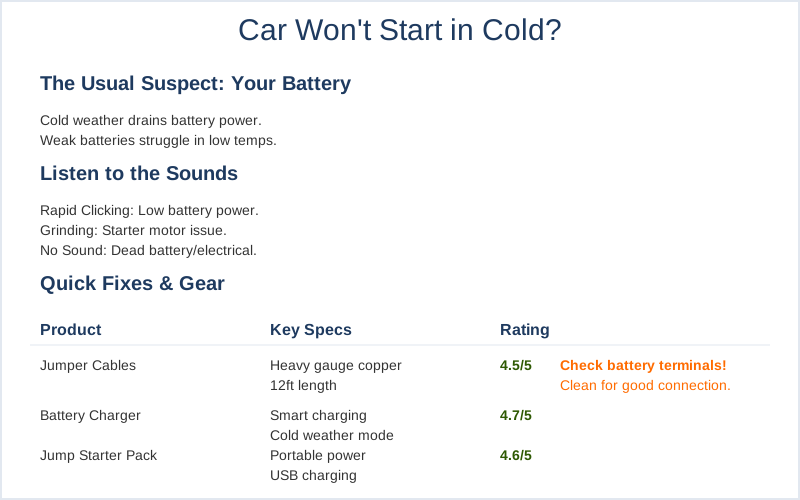
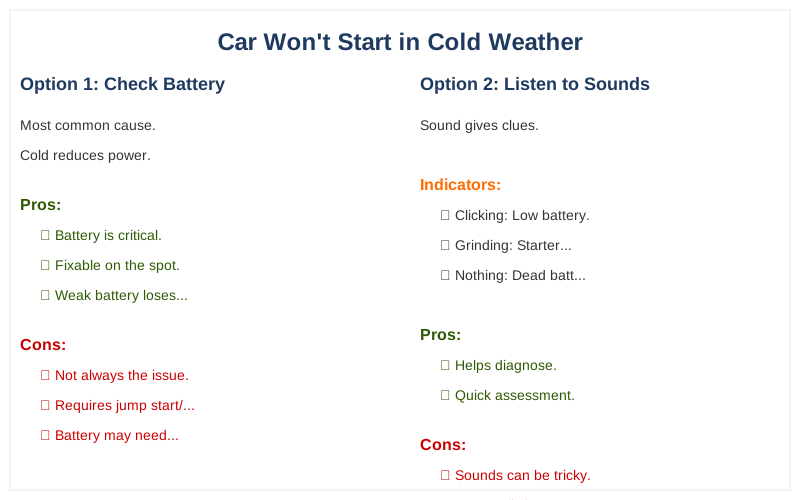
When your car won't start in cold weather, the problem is almost always the battery. Cold drastically reduces a battery's power, and a weak battery is the prime suspect for a no-start in winter.
The sound your car makes is your first clue. A rapid clicking usually means the battery has some power but not enough to turn the starter motor. If you hear a grinding sound, the starter motor itself might be the issue. If you hear nothing at all when you turn the key, it points to a broader electrical problem, or a completely dead battery.
Cold temperatures are brutal on car batteries. At 32°F, a battery loses about 35% of its strength, and at 0°F, it loses a staggering 60% of its power What to Do If Your Car Won't Start in the Cold. This means a battery that seemed fine in milder weather might not have enough cold-cranking amps (CCA) to fire up your engine when it's frigid. Many smaller vehicles only have batteries with 500 CCA, and an upgraded battery might be needed for harsher climates Solutions for a car that won't start when it gets too cold..
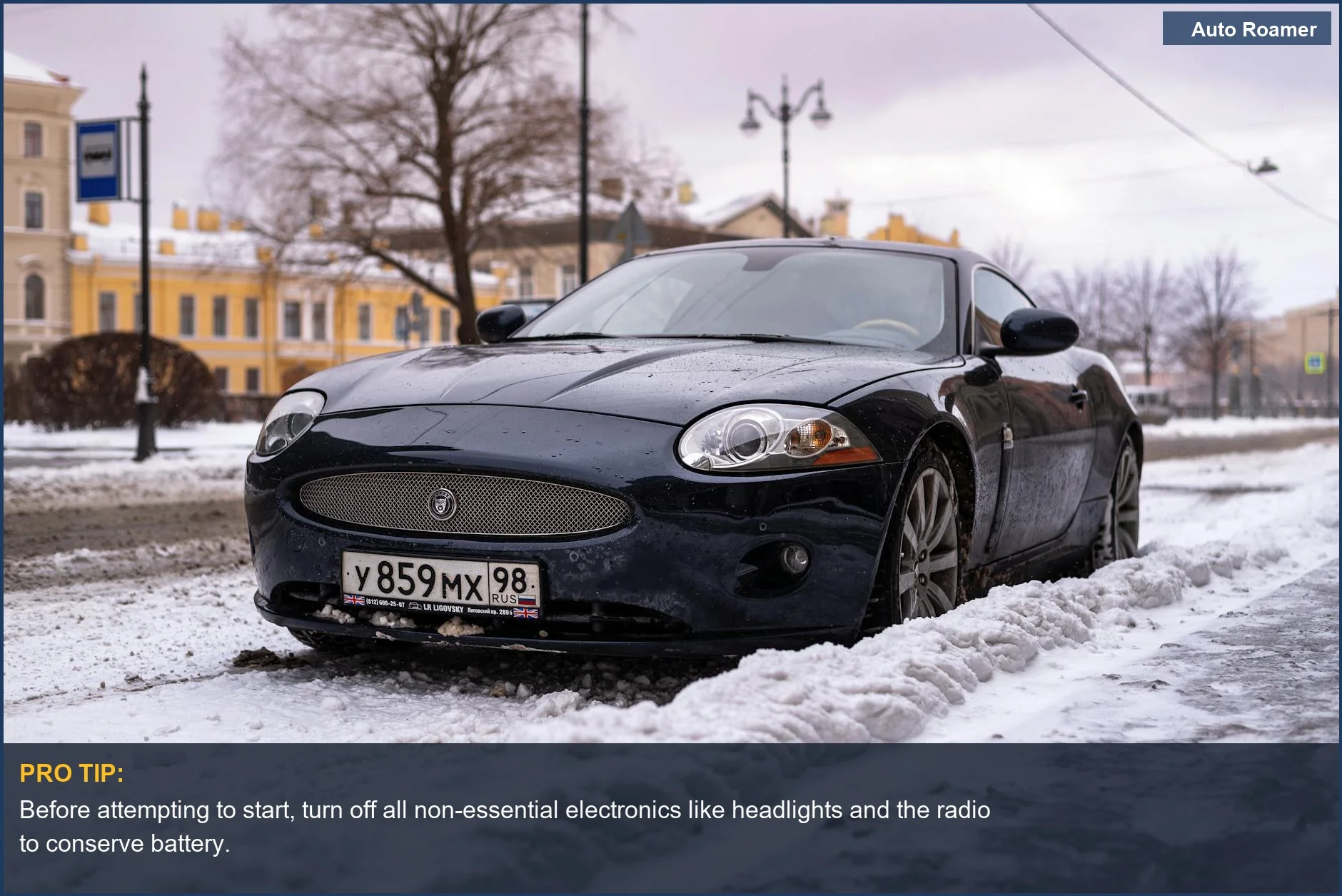
If your car cranks but won't fire up, it's likely a fuel or ignition issue. Moisture can get into fuel lines and freeze, or engine oil can thicken, making it harder for the starter to turn the engine. Turn off all accessories like the radio, heater, and lights before attempting to start; they drain precious energy from the battery What to Do If Your Car Won't Start in the Cold.
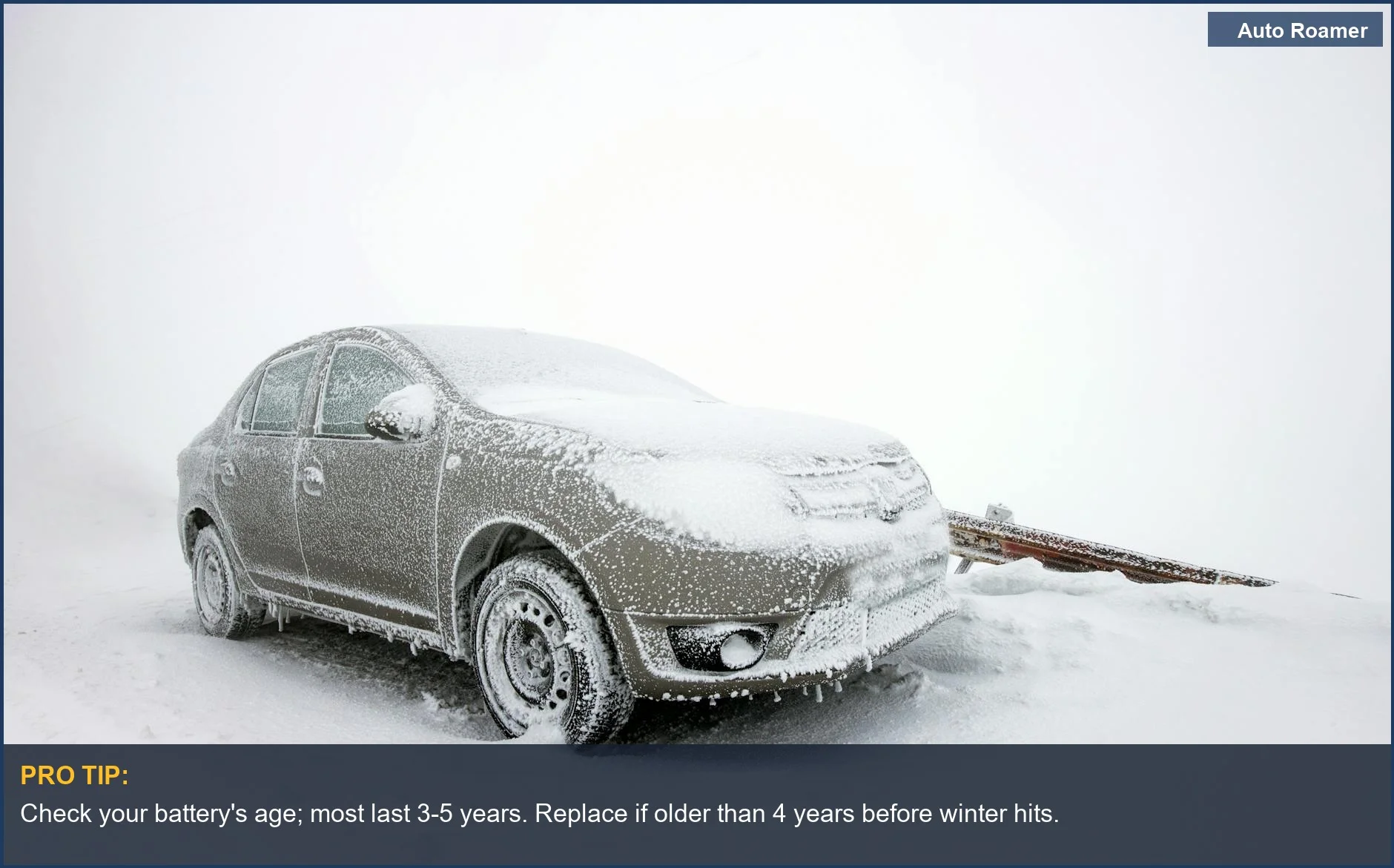
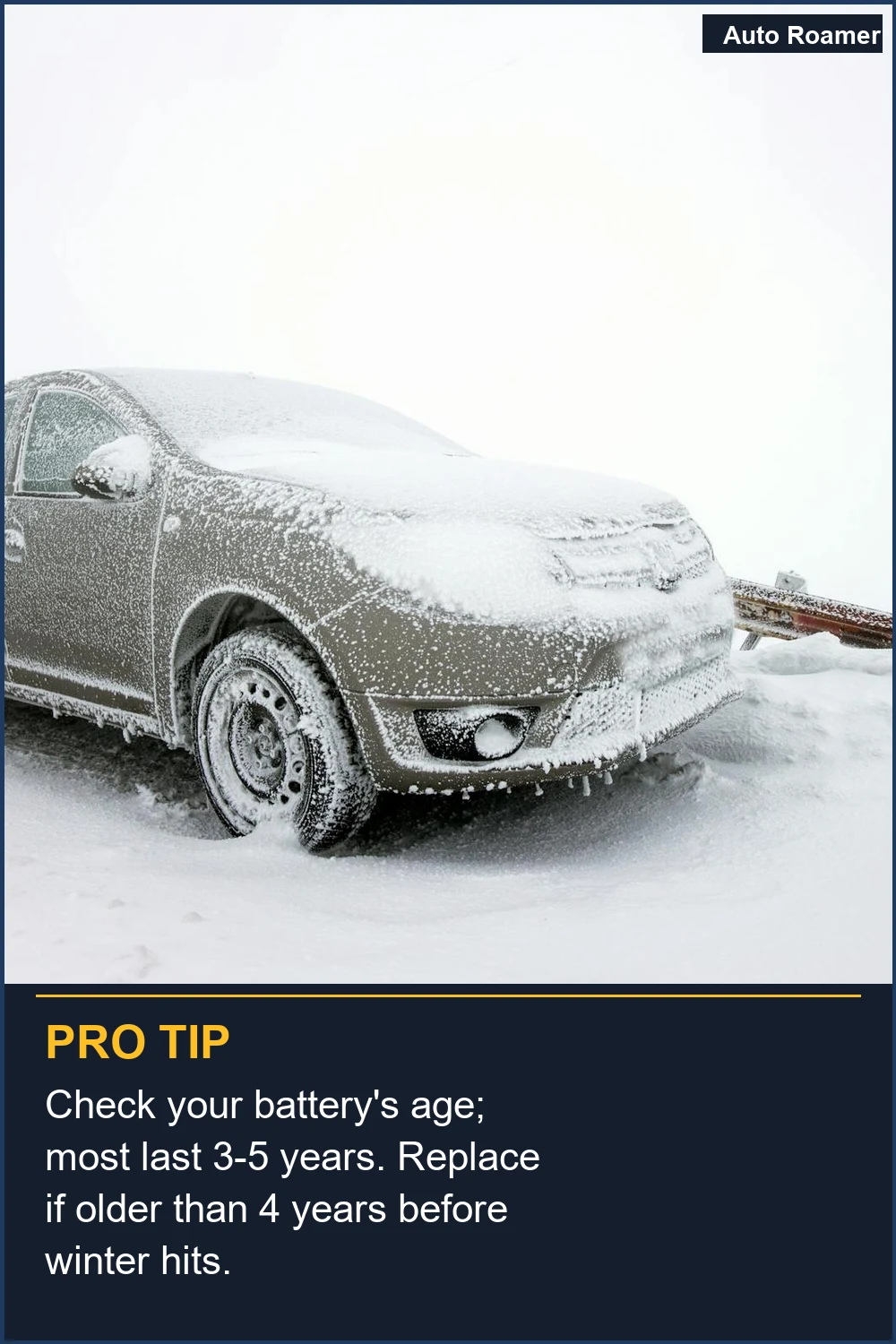
Most cold no-starts are battery-related and often jumpable. If you hear that clicking and can get a jump, drive for at least 20 minutes to give the alternator a chance to recharge the battery. If the battery is over three years old, especially in a cold climate, it's a good idea to replace it proactively.
What You Need to Know
How to Handle This
What This Looks Like in Practice
- Northern Minnesota Sub-Zero Battery Failure A driver in northern Minnesota woke to extremely cold temperatures and a completely dead battery in his vehicle. He'd only driven it for a short time previously, but the frigid conditions proved too much for the aging battery. Jump-starting provided a temporary fix, but the underlying issue of a weak battery in the cold was clear RAC Drive.
- Colorado Diesel Gelled Fuel Overnight While camping in Colorado, a diesel truck owner found his engine wouldn't start after an overnight temperature drop. The diesel fuel had gelled, creating a blockage in the fuel lines. This common issue for diesels in cold weather requires specific additives or a warmer environment to resolve Neese Automotive.
- November Camping Trip Battery Drain A camper on a November trip discovered their car wouldn't start after a night outdoors. A dome light had been left on, slowly draining the battery. While not directly caused by the cold, the already weakened battery from the temperature drop couldn't muster the power to crank the engine Tires Plus.
- Old Battery Fails First Cold Snap A driver's car, which had performed perfectly through warmer months, suddenly refused to start with the first significant cold snap. This highlights how a battery's performance can degrade over time, and while it might have sufficient voltage for less demanding conditions, it lacks the necessary cold cranking amps (CCA) for winter Lancer Service.
Mistakes That Cost People
Here are common mistakes we make when our car won't start in cold weather:
Cranking the starter motor repeatedly. Why we do it: We hear the engine trying to turn over and keep trying, hoping it will eventually catch. What happens: Each crank drains precious power from an already struggling battery. This can further deplete it, making a jump start or recharge even more necessary. The starter motor itself can also overheat. The fix: After one or two attempts, if the car doesn't start, stop cranking. Wait a few minutes before trying again, with all accessories off. If it still won't engage, consider other options.
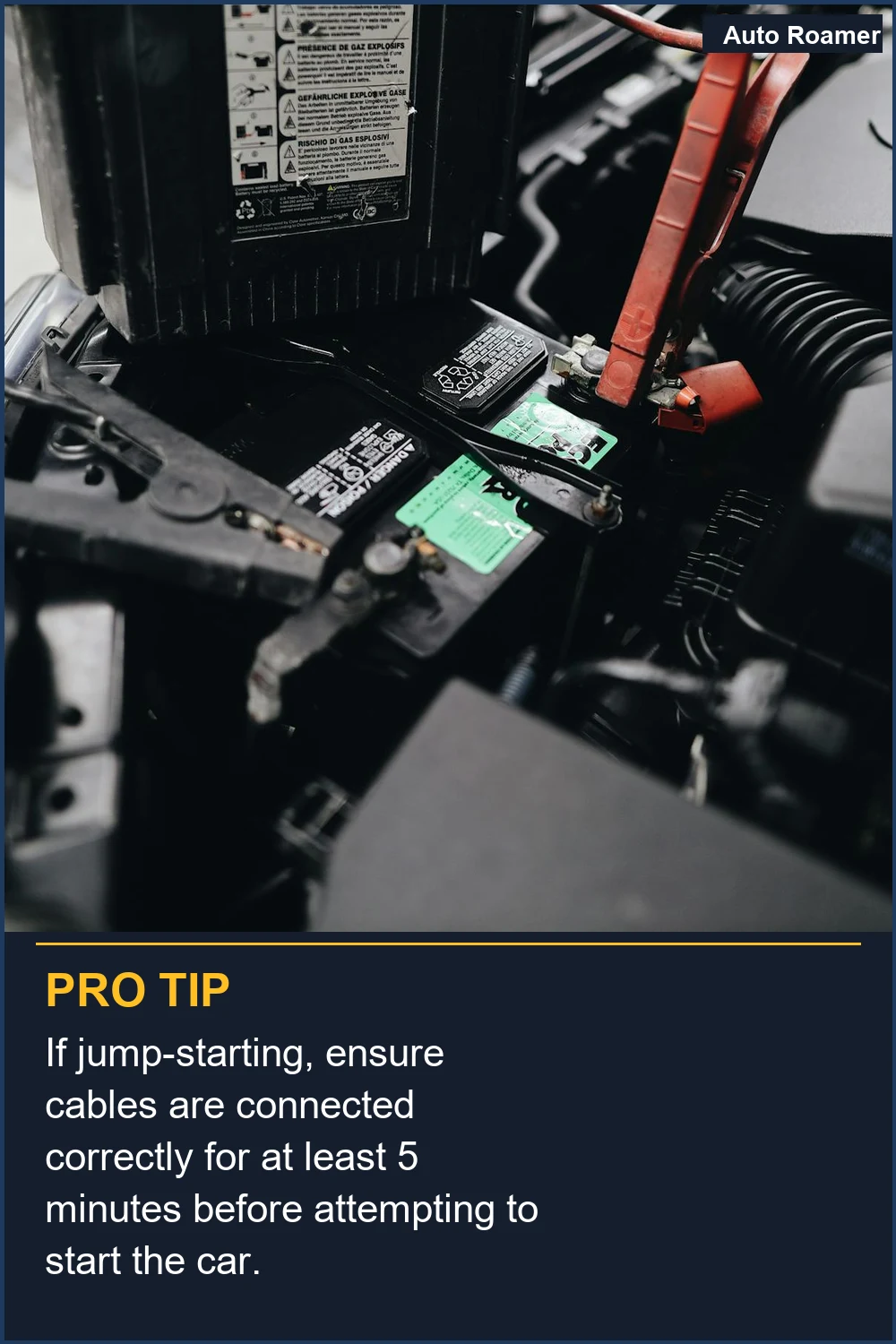
Running the engine for only a few minutes after a jump start. Why we do it: We've jump-started the car and want to get moving, assuming a short run is enough. What happens: A quick five-minute drive is insufficient to fully recharge a depleted battery, especially in cold temperatures which reduce battery efficiency What to Do If Your Car Won't Start in the Cold. The battery might start the car again immediately but could fail shortly after turning it off. The fix: Drive for an extended duration to allow the alternator to effectively recharge the battery. This ensures it has enough power for subsequent starts.
Not carrying a portable jump starter. Why we do it: We might think relying on another vehicle is sufficient, or we haven't considered the convenience of a portable unit. What happens: When stranded with a dead battery, finding another vehicle willing and able to help can be difficult and time-consuming, leaving us stuck. The fix: Invest in a reliable portable jump starter. These units don't require another vehicle and are a lifesaver when we're alone or in a remote location.
Having a near-empty fuel tank in freezing temperatures. Why we do it: We might not think twice about a low fuel gauge, especially for short trips. What happens: Condensation can form inside the fuel tank. In freezing temperatures, this water can freeze, creating ice crystals that block fuel lines, preventing fuel from reaching the engine Car won't start in the freezing cold? Here's Why, and what to do. This is particularly problematic for older vehicles. The fix: Always keep your fuel tank at least half full during cold weather to minimize the air space where condensation can form.
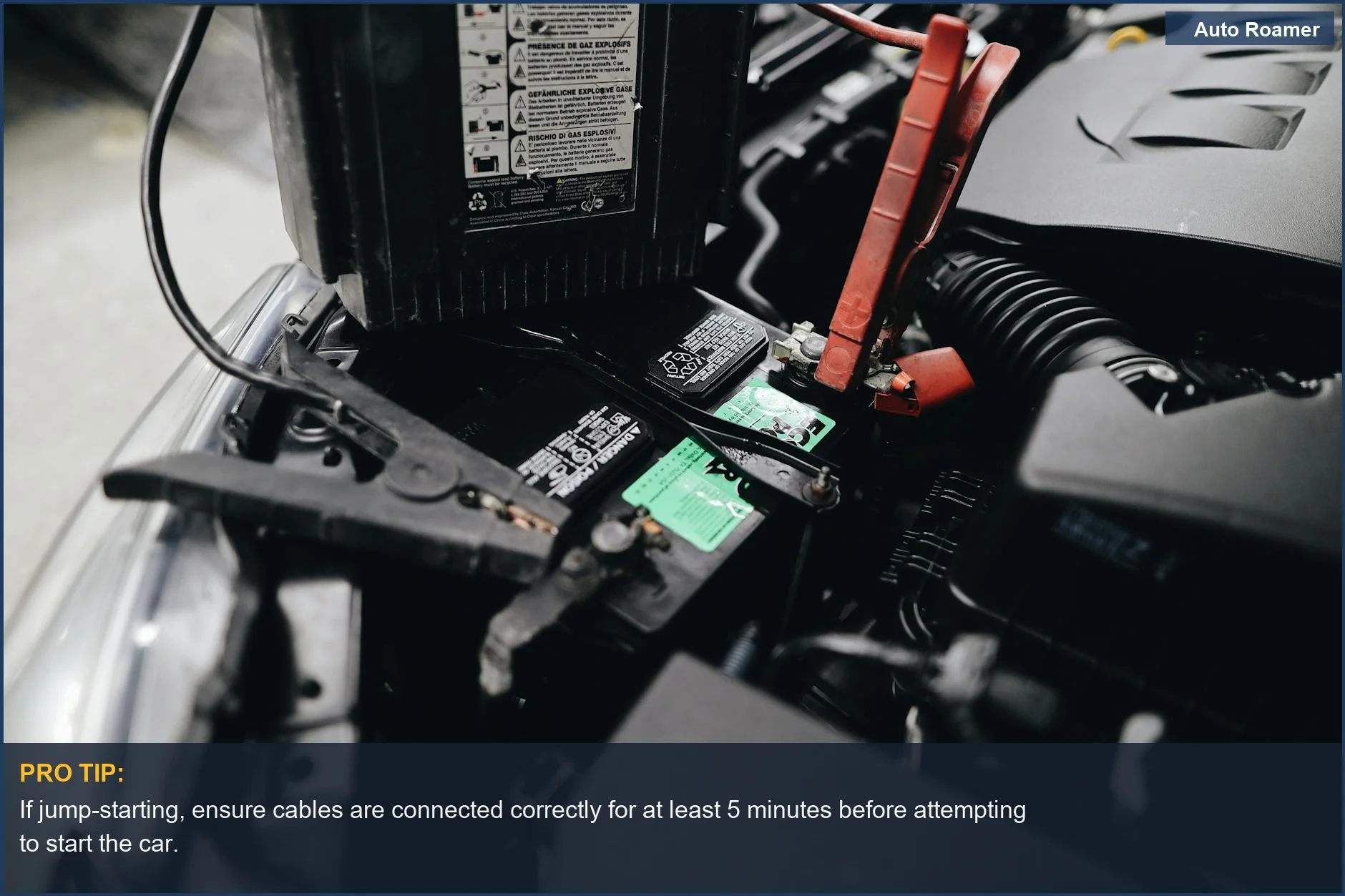
Using the wrong jumper cable order. Why we do it: Jump starting is common, and we may rush or not recall the correct sequence. What happens: Connecting cables in the incorrect order, particularly the final negative connection, can create a spark. This spark can ignite hydrogen gas emitted by the battery, leading to a dangerous explosion. The fix: Always connect the positive (+) cable to the positive terminal of the dead battery, then to the positive terminal of the good battery. Next, connect the negative (-) cable to the negative terminal of the good battery, and finally, connect it to an unpainted metal surface on the engine block or chassis of the dead vehicle, away from the battery.
Key Takeaways
- The overwhelming majority of cold no-starts are tied directly to the battery Car won't start in the cold? Learn more | RAC Drive. Cold temperatures significantly reduce a battery's output, making it struggle to deliver the power needed to turn over the engine Car won't start in the freezing cold? Here's Why, and what to do.
- If your battery is more than 3-4 years old, especially if you live in a cold climate, consider proactive replacement. An aging battery is far more susceptible to failing when temperatures plummet Car won't start in the cold? Learn more | RAC Drive.
- When you turn the key, listen for the engine's response. A weak cranking sound or complete silence often points to battery issues, even if your lights still come on Car Won't Start In Cold But Battery Is Good: Causes & What to Do.
- Even a battery with sufficient voltage might not have enough cold-cranking amps (CCA) to start the engine in freezing conditions Car Won't Start In Cold But Battery Is Good: Causes & What to Do. Many smaller vehicles come with batteries rated around 500 CCA, and an upgrade might be beneficial in extreme cold Solutions for a car that won't start when it gets too cold..
- If you're experiencing a car wont start cold weather situation, and after checking battery connections, the issue persists, focus on the battery. It's the most common culprit Car won't start in the cold? Learn more | RAC Drive.
Sources
- Why Car Batteries Die in Cold Weather: The Complete Scientific ...
- Car won't start in the freezing cold? Here's Why, and what to do
- What to Do If Your Car Won't Start in the Cold
- Solutions for a car that won't start when it gets too cold.
- tiresplus.com
- Car Won't Start In Cold But Battery Is Good: Causes & What to Do
- Car won't start in the cold? Learn more | RAC Drive