Where to Start
Cheap fuzzy gas-station mats run about $25 and don't last. They looked okay for about three weeks, then the driver's side started disintegrating under my boots. Mud, salt, and general life turned them into a sad, grey mess. Interior protection isn't just about looks; it's about preventing actual damage to your car's carpet, which is far more expensive to fix than a decent set of mats. The automotive floor mats market is huge, and for good reason. People are finally realizing that a good mat is an investment, not just an accessory. This is why understanding the different types is key, so you don't end up with what I did.
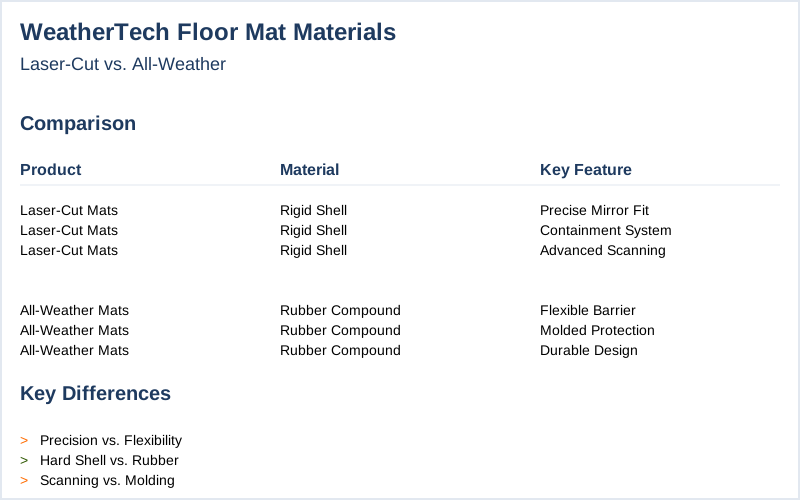
When you're looking at floor mats designed for serious protection, you'll typically see two main categories. These aren't just different brands; they represent fundamentally different approaches to keeping your car's interior clean. One type uses advanced scanning to perfectly mirror your vehicle's floor, creating a rigid, containment system. The other offers more flexibility, often made from a rubber-like compound, still custom-fit but with a different feel and function. Knowing the difference is crucial for making sure you get what you actually need, not just what looks fancy.
The core of the matter boils down to how these mats are manufactured and what materials they use. One approach involves meticulous digital measurements to create a precise, hard shell. The other relies on pliable, durable materials molded into a protective barrier. Both aim to keep the mess contained, but they go about it in distinct ways, which affects their performance in different situations. com/posts/weathertech-floor-mat-materials-explained.html">autoroamer.com, WeatherTech Blog, ClubLexus Forum
The Core Answer
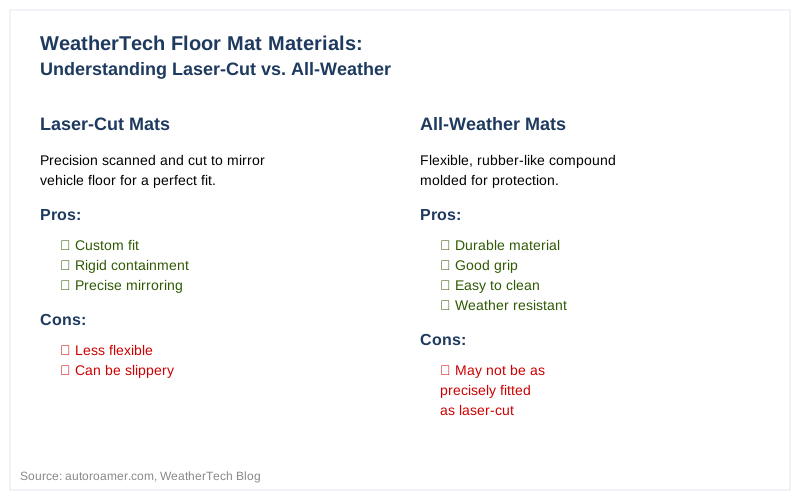
When you're looking at floor mats, you're mostly seeing two main camps: the rigid, precisely scanned liners and the more flexible, all-weather mats. The big difference, the one that tripped me up initially, is how they're made and what they're designed to do. One type uses fancy digital laser scanning - they get like 2,000 data points for your specific vehicle's floor to make sure they fit like a glove autoroamer.com. These are the rigid ones. They're like a custom-molded plastic tub that sits over your carpet.
These rigid liners have high sides to catch spills and mud, and they're designed to contain everything. Think of them as a built-in second floor for your car. A proper set is a game-changer for keeping winter salt out of the carpet. People seem to think they're worth the extra cash, often citing the perfect fit and containment as reasons BuyItForLife Reddit.
Then you have the all-weather mats. These are more flexible, made from a rubber-like Thermoplastic Elastomer (TPE). They still have a custom fit and some decent sidewalls, but they're not as deep or rigid as the laser-cut liners. These are far easier to pull out and hose down than the stiffer plastic ones Facebook Group.
The honest version is that both types offer significantly better protection than the carpeted mats that come stock. The rigid liners are generally considered superior for containing large spills or heavy snowmelt because their walls are higher and stiffer. They create a complete barrier. The all-weather mats are more pliable, making them easier to handle and clean, and they still provide excellent protection against everyday dirt and grime.
If you're constantly dealing with mud, snow, or major spills - think kids, pets, or you just live in a swamp - the rigid, laser-scanned liners are probably your best bet. The $100 extra often mentioned seems steep, but if it means saving your carpet from permanent damage, it's a solid investment BuyItForLife Reddit. They're engineered to stay put and create a watertight seal around the edges.
For general use, or if you prioritize ease of cleaning and a slightly less rigid feel, the all-weather mats are still a fantastic option. They're often made from materials that are tough but have a bit more give, so they conform nicely to the floor without feeling like you're putting dinner plates in your car. You can usually hose them off in about 5 minutes YouTube.
The key takeaway is that the material and construction dictate how well they contain messes. Rigid liners excel at deep containment, while flexible mats offer a good balance of protection and ease of use. It's not about one being universally 'better,' but which one fits your specific needs and driving conditions. A leaky thermos of sugary coffee can ruin bare carpet.
It's also worth noting that while both are designed for a custom fit, the laser-scanned ones are typically more precise because they're based on thousands of actual measurements of your vehicle's specific floor pan. This means fewer gaps for dirt to sneak under. The all-weather mats are also custom-fit, but the process might involve slightly different molding techniques.
Ultimately, what nobody tells beginners is that you're not just buying floor mats; you're buying peace of mind. Whether you go rigid or flexible, the goal is to protect the investment you've made in your vehicle. A quality set of mats runs around $150 but can last three years and still look great. That's the $50 version of car care.
The Bottom Line
When it comes down to it, you've got two main paths for serious floor protection: the rigid, laser-scanned liners or the more flexible all-weather mats. The rigid ones are like custom-built bathtubs for your car's floor, designed for maximum containment of spills and debris. They use thousands of data points to get that perfect fit. In one video, an entire gallon of spilled milk never reached the carpet.
The all-weather mats, often made from a rubber-like material, offer excellent protection with a bit more pliability. They're easier to take out and clean, which is a big plus if you're constantly dealing with mud or sand. Think of them as heavy-duty rubber boots for your car's interior. My cousin swears by his because he can just hose them off in the driveway after a muddy hike.
The cost difference can be significant, sometimes over $100 between the two types for a full set of front and rear mats BuyItForLife Reddit. But consider what it costs to professionally clean or replace your car's carpet. A few hundred dollars for professional detailing or replacement is not uncommon. So, the upfront cost for good mats often pays for itself in the long run.
My advice? If you're a messy eater, have kids who treat the back seat like a food fight zone, or live somewhere with brutal winters, lean towards the rigid liners. If you just want better protection than stock and easy cleanup for everyday dirt, the all-weather mats are a solid choice. Either way, you're making a smart move to protect your vehicle's interior.