
Toyota Land Cruiser Camping Guide: Master Off-Road Adventure
The Toyota Land Cruiser: The Ultimate Off-Road Camping Platform
The Toyota Land Cruiser stands as one of the most iconic and capable SUVs for camping adventures. Its legendary reliability, powerful engine options, and spacious interior make it an exceptional choice for those who want to combine off-road exploration with comfortable camping. Whether you're tackling remote trails or parking at a scenic overlook, the Land Cruiser provides the confidence and capability to reach places other vehicles cannot.
With multiple generations offering varying layouts and cargo space, the Land Cruiser accommodates camping gear effortlessly while maintaining the luxury and comfort you'd expect from Toyota's flagship SUV. This guide walks you through everything you need to know about optimizing your Land Cruiser for memorable camping experiences.
Interior Space and Sleeping Platform Options
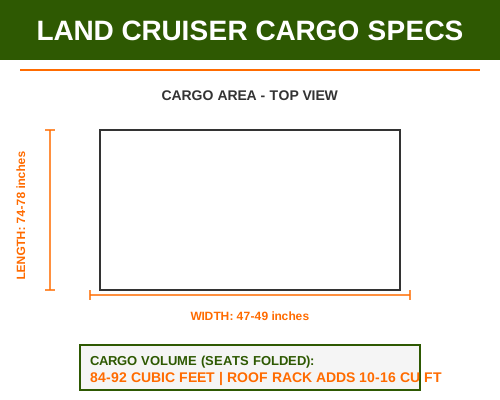
The Land Cruiser offers generous cargo space that varies by model year. Modern Land Cruisers typically provide 84-92 cubic feet of cargo space with the rear seats folded, creating a relatively flat sleeping surface. This spacious platform is ideal for queen-sized air mattresses or custom foam camping beds. The cargo area's width exceeds many competitors—you have flexibility in sleeping configuration options unavailable in smaller vehicles.
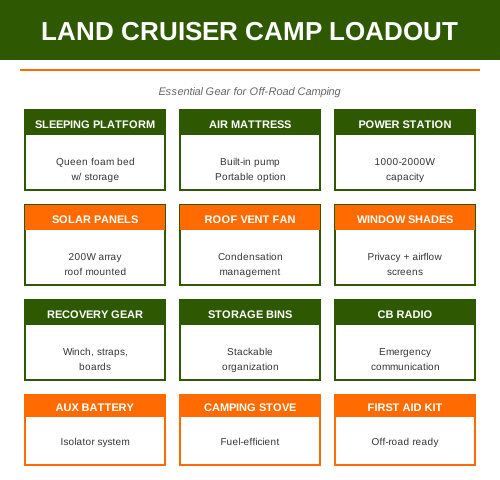
For a basic setup, a high-quality air mattress with built-in pump works well and deflates for easy storage when not camping. Many Land Cruiser owners invest in custom sleeping platforms that utilize the full floor space, adding storage compartments underneath for camping gear, water containers, and tools. These platforms typically sit 8-12 inches off the floor, allowing access to under-bed storage while maintaining headroom for comfortable sleeping. Professional platform installations ($800-2000) provide durability superior to DIY alternatives.
Consider the vehicle's roof height when planning your setup. Taller models accommodate sit-up sleeping positions, while others work better for lay-down sleeping configurations. The Land Cruiser's width allows comfortable sleeping for two adults or families with children, depending on platform design. Many owners report that the Land Cruiser's refined suspension and sound insulation make sleeping comfortable despite being in the vehicle—you don't experience the roughness common in truck camping.
Power and Electrical Systems
The Land Cruiser's robust electrical system with large battery capacity makes it suitable for powering camping accessories. A quality portable power station (500W-2000W capacity) works well for charging devices, running LED lighting, and powering small appliances without draining the vehicle battery. The Land Cruiser's sophisticated electrical architecture handles auxiliary systems better than less capable vehicles.
Many Land Cruiser campers install auxiliary batteries in the cargo area, connected through an isolator to the main battery. This setup allows you to run camping lights, refrigeration units, and USB charging stations without risking a dead vehicle battery. Adding solar panels to the roof or side panels provides sustainable power generation during multi-day trips. A 200-watt solar array costs approximately $800-1500 installed and adds meaningful off-grid capability.
DC-to-AC inverters rated for 1000-2000 watts are popular upgrades, allowing you to run standard household appliances like laptop chargers, coffee makers, or small fans. If you plan frequent off-grid camping, investing in a professional installation of dual battery systems is worthwhile. Many experienced campers view battery and power system investments as worthwhile upgrades that expand camping possibilities significantly—the cost amortizes across years of improved camping capability.
Ventilation and Climate Control
Proper ventilation is crucial for comfortable sleeping in the Land Cruiser, especially in warm climates. The vehicle's sunroof is a major advantage, providing natural ventilation when cracked open slightly. Consider adding privacy screens that allow airflow while maintaining security and darkness. Many experienced Land Cruiser campers invest in roof vent fans ($300-500 installed) that dramatically improve air quality and condensation management.
Removable window shade sets designed for SUVs work well with the Land Cruiser's window configuration, blocking heat and light while allowing you to control ventilation. During warmer months, opening windows on opposite sides creates cross-ventilation that helps prevent condensation and maintains comfortable sleeping temperatures. Some owners report that proper cross-ventilation reduces interior moisture by 50-60% compared to still-air sleeping.
For cold-weather camping, the Land Cruiser's climate control system maintains cabin temperature efficiently. Using a small ceramic heater or catalytic heater designed for vehicle use adds supplemental warmth, though proper ventilation is essential to prevent CO2 buildup. Running the engine periodically to warm the cabin is another strategy, though it consumes fuel. The Land Cruiser's powerful heating system means you can sleep comfortably in surprisingly cold conditions—many campers report minimal supplemental heating needs above 10°F.
Storage Organization and Packing Strategy
The Land Cruiser's 84-92 cubic feet of cargo space (depending on model) requires thoughtful organization for optimal camping efficiency. Roof racks and roof baskets add 10-16 cubic feet of storage, useful for bulky items like tents and sleeping bags that don't fit nicely indoors. Strategic use of vertical space means you can maximize available capacity without consuming sleeping space.
Vertical storage maximizes efficiency in the cargo area. Stackable storage bins, hanging organizers on the rear doors, and wall-mounted shelving keep gear accessible and prevent items from shifting during off-road driving. Designate zones: sleeping area in the back, cooking supplies near doors, safety equipment easily accessible. This zone-based organization prevents frantic searching when you need specific items quickly.
Keeping weight distribution balanced is particularly important for off-road driving—the Land Cruiser's high center of gravity means improper loading can affect handling and stability. Heavier items should sit low and centered, while lighter gear goes above. This improves handling and reduces the chance of rollover on uneven terrain. Many Land Cruiser owners use a combination of built-in storage (door pockets, center console) and aftermarket solutions to maximize space. Professional storage systems ($1000-3000) designed specifically for Land Cruisers integrate perfectly and provide durability superior to consumer-grade organizers.
Off-Road Preparation and Safety
The Land Cruiser's legendary off-road capability means you can reach remote camping spots others can't. However, off-road camping requires additional preparation. Ensure your vehicle is in top condition: check tire pressure and tread depth for the terrain you'll encounter, verify all fluids are topped off, and test recovery equipment. The Land Cruiser's reliability is legendary, but remote camping demands extra diligence.
Carry essential recovery gear: a high-capacity winch, tow straps, recovery boards, and a portable air compressor. These items are particularly important when camping in areas without cell service or nearby assistance. A quality CB radio or satellite communicator provides emergency communication capability. Many Land Cruiser owners travel in groups—having multiple vehicles provides additional recovery capability and safety.
Familiarize yourself with the terrain before setting up camp. Choose level ground to prevent vehicle rollover and improve sleeping comfort. Avoid setting up in drainage areas that could flood during rain. The Land Cruiser's ground clearance (varies by model, typically 8-9 inches) allows passage over obstacles, but inspect the route ahead on foot if uncertain. Respect Land Cruiser's capability without overconfidence—understand terrain limits and plan accordingly.
FAQ
Q: Can I fit a queen-sized air mattress in a Land Cruiser? A: Yes. A queen mattress fits in most Land Cruiser models with rear seats folded, though you may need to slightly angle the mattress or choose a camping-specific queen bed with rounded corners.
Q: What's the best power solution for camping in a Land Cruiser? A: A 1000-2000W portable power station covers most camping needs for charging devices and LED lighting. For extended trips, a dual battery system with solar panels provides more capacity.
Q: How do I prevent condensation in the cabin when sleeping? A: Keep windows cracked for airflow, use privacy screens that allow ventilation, and consider a small dehumidifier or moisture-absorbing products. Avoiding wet gear in the sleeping area helps too.
Q: Is the Land Cruiser good for remote camping? A: Excellent. Its reliability, off-road capability, and size make it ideal for remote camping where you want dependable transportation and comfort.
Q: What's the cargo space of a Land Cruiser? A: Modern Land Cruisers typically offer 84-92 cubic feet with rear seats folded. Roof racks add 10-16 cubic feet.
Q: Can I install a pop-up roof tent on a Land Cruiser? A: Yes, the roof structure typically supports aftermarket roof tents. Ensure proper installation on crossbars rated for your vehicle's weight capacity.
Q: How fuel-efficient is a Land Cruiser for camping trips? A: Most models achieve 17-23 miles per gallon depending on driving conditions and engine type. Off-road driving and added weight reduce efficiency.
Q: What's the best flooring solution for a camping sleeping platform? A: Plywood subfloor with rubber matting provides durability and moisture resistance. EVA foam padding on top adds comfort and insulation.
Q: Should I remove rear seats permanently for camping? A: Most owners keep seats installed but fold them down for trips, allowing flexibility for passengers or cargo when not camping.
Q: How does ground clearance affect camping comfort? A: The Land Cruiser's 8-9 inch clearance helps you access remote spots but doesn't affect sleeping comfort. Choose level camping ground regardless. The Land Cruiser's legendary reliability is unmatched in premium segments, with many examples exceeding 200,000 miles with proper maintenance. This exceptional durability means fewer breakdowns during remote camping, providing peace of mind during off-grid adventures. Invest in annual maintenance checks before remote camping trips, particularly transmission fluid and cooling system inspections, as the Land Cruiser's impressive power generates significant heat during mountain climbs and heavy acceleration.