Driving Safety

How to Remove Window Tint From Your Car: DIY Without Damaging the Defroster

Auto Roamer
12 min read
Includes Video

Stubborn adhesive is the real battle when you remove window tint car yourself. Don't just peel; you'll need to tackle residue left behind. We found that a heat gun and a razor blade (used carefully!) are essential for window tint removal without damaging defroster lines. Be patient, especially with remove old window tint that's baked on.

That purple, bubbling window tint looks terrible, and now you've been pulled over for it. It's ten years old, peeling at the edges, and you need it gone this weekend before your road trip. Forget the fancy shops; you can remove old window tint yourself without wrecking your defroster lines. We've all been there, staring at that faded mess, wondering how to tackle it. This isn't rocket science, but it does require patience and the right approach, especially on the rear window The Tint Guy. Trying to peel it off dry and cold is a recipe for disaster, leaving you with tiny, stubborn fragments stuck to the glass. The key is softening that old adhesive. For door windows, a steamer works wonders to lift the film cleanly Remove Window Tint Fast: Steamer or Ammonia Method. But for the rear, where those delicate defroster lines live, we need a gentler touch.
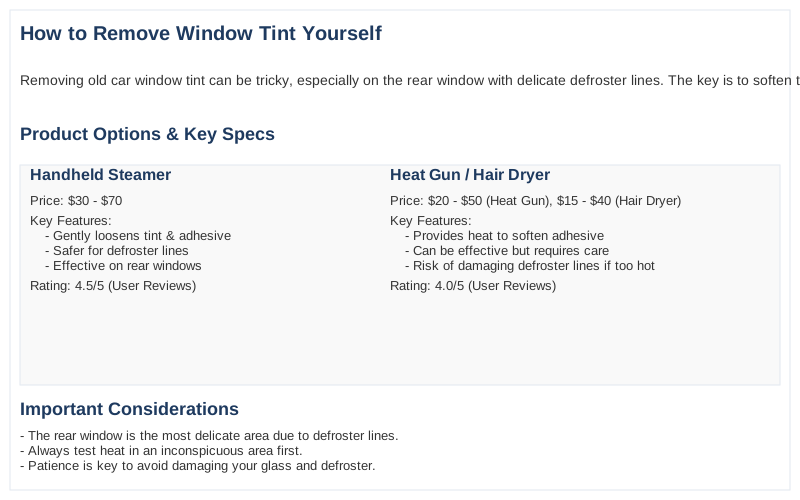
Car window tint removal DIY infographic: tools, steps, tips.
Key specifications for how to remove window tint from your car yourself

The Short Answer

Removing window tint yourself is achievable, but the core challenge isn't peeling the film - it's meticulously removing the stubborn adhesive residue without damaging your car's delicate defroster lines, especially on the rear window.

The tint is essentially two layers: the film and its adhesive. Heat is your best friend for loosening both. For side windows, a razor blade can help lift an edge, but on the rear window, it's a high-risk tool that can easily sever those fragile defroster lines. Professionals often use specialized steamers for this reason The Tint Guy.

The rear window is the danger zone. While heat guns and hair dryers can work, a handheld steamer is generally safer and more effective for loosening the tint and adhesive without excessive scraping Remove Window Tint Fast: Steamer or Ammonia Method. If you're tackling the rear, focus on warming the film and then peeling slowly. Some suggest covering the back with a towel and letting a hose point up on the glass for 20-30 minutes to help it peel Any advice on removing old tint without damaging defroster lines?.

Once the film is off, the real work begins: adhesive removal. For side windows, a plastic razor blade is safer. On the rear, avoid scraping entirely. Instead, opt for a solution like a 50/50 mix of sudsy ammonia and cleaner, or a dedicated adhesive remover Proper DIY Back Window Tint Removal. Apply it, let it dwell, and then gently scrub with a non-scratch pad or microfiber cloth. For stubborn spots, a 0000 grade steel wool can be used on side windows only.

Patience is key when you remove old window tint yourself. Rushing the process almost guarantees you'll leave adhesive behind or, worse, damage the defroster. For the rear window, a steamer might need to sit for 7-10 minutes Remove Window Tint Fast: Steamer or Ammonia Method. The goal is a clean, adhesive-free surface, making the window tint removal diy process successful.

To maintain clear visibility, you might also want to consider how to defog your windshield effectively.
Protect your defroster lines with a razor blade held at a shallow angle, moving slowly and deliberately.
Tackling the tricky rear window adhesive is key to a successful window tint removal diy project. Patience prevents costly defroster damage. | Photo by Jae P

What You Need to Know

Understanding why your car's window tint goes bad is the first step to a successful DIY removal. Over time, UV rays break down the tint's dye, often turning it a tell-tale purple hue, and degrade the adhesive, leading to unsightly bubbles and peeling The Tint Guy. The type of tint matters, too; dyed films are more prone to fading, while metallic and ceramic tints can be more challenging to remove due to their construction.

It's crucial to distinguish between factory tint and aftermarket tint. Factory tint is integrated into the glass itself and cannot be removed. Aftermarket tint, applied to the interior surface, is what we're dealing with here. The biggest pitfall, especially on rear windows, is damaging the defroster lines. These are thin, printed conductors bonded to the glass, and a single careless scrape with a razor blade can sever them, leading to an expensive repair Removing window tint without damaging defroster lines. Professionals often recommend a steamer for this reason, as it loosens the adhesive without the risk of physical damage Removing Window Tint - the Pelican Parts Forum!.
1
Prep your workspace - Protect your car's interior panels, especially around the rear window, with towels or plastic sheeting. The adhesive removal process can get messy, and you want to avoid damaging upholstery or electronics.
2
Loosen the tint film - For side windows, slightly crack the window to access the top edge. Use a handheld steamer held 1-2 inches from the glass, making slow vertical sweeps to heat the film evenly. For rear windows, prop a steamer against the glass and let it run for 7-10 minutes with the car doors closed to soften the adhesive Remove Window Tint Fast: Steamer or Ammonia Method.
3
Peel and remove film - Gently lift a corner of the tint with a plastic razor blade. Once you have a grip, slowly peel the film downward, reapplying steam as needed to keep the adhesive pliable. Patience is key here to avoid tearing the film into small pieces, which makes cleanup harder.
4
Tackle stubborn adhesive - After the film is off, you'll likely have adhesive residue. For side windows, a plastic razor blade can be used carefully. For rear windows, a 50/50 mix of water and adhesive cleaner, like Formula 409, is effective. Scrub with a non-scratch pad and wipe clean with paper towels Remove Window Tint Fast: Steamer or Ammonia Method. Some find a mix of sudsy ammonia and Grease Lightning effective for glue removal, preventing lingering odors Removing Window Tint - the Pelican Parts Forum!.
As you tackle window tint removal, you might also find it useful to learn how to remove stickers from car paint without damage, too.
Use a heat gun on a low setting to gently warm the tint, making it easier to peel and reducing adhesive residue.
Bubbles and peeling on your car's window tint are often caused by UV damage. Learn how to remove old window tint safely. | Photo by Redyar Rzgar

How to Handle This

1
Steamer Method for Side Windows - This is our go-to for removing window tint from your car quickly and safely, especially on side windows. Crack the window about a quarter-inch to get under the film's edge. Hold a handheld steamer 1-2 inches from the glass, moving in slow vertical sweeps. This heats the adhesive, loosening its grip without scorching the glass. Skipping this initial heating means you'll be fighting a stubborn bond, leading to torn film and a much harder time.
2
Peel Slowly While Steaming - Once you've lifted an edge with a plastic razor blade, slowly peel the tint downward while continuously applying steam. The key here is patience; if you rush, the film will tear into tiny, infuriating pieces, leaving you with a mess of adhesive. This is especially critical on a hot, sunny day when the glass is already warm - you don't want to over-heat and risk damaging the window's seals.
3
Ammonia Bag Method for Rear Window - For the rear window, where damaging the defroster is a major concern, the ammonia bag method is safer. Tape black trash bags to the OUTSIDE of the rear window. Then, spray a mixture of ammonia and water generously on the INSIDE of the tint and press the bags against it. Let the sun bake this for about 2 hours. The heat and ammonia work together to break down the adhesive, minimizing the need for scraping. Trying to steam the rear window for too long or at too close a distance can damage those delicate defroster lines.
4
Adhesive Removal on Rear Glass - After the film is off, you'll have adhesive residue. For the rear window, use a 50/50 mix of sudsy ammonia and Grease Lightning (or a similar adhesive remover) applied with a microfiber cloth. Let it sit for a few minutes, then gently wipe away the residue. Using a metal razor blade on the rear window, even cautiously, is a recipe for disaster and will likely ruin your defroster.
5
Final Cleaning - Once all the tint and adhesive are gone, clean the glass thoroughly. For side windows, a steel wool grade 0000 with glass cleaner works wonders for any stubborn spots and leaves the glass streak-free. For the rear window, stick to microfiber cloths and glass cleaner to avoid any risk to the defroster. Skipping a thorough cleaning means new tint won't adhere properly, and you'll see hazy spots.
To enhance your car's appearance further, consider learning how to clean foggy headlights with these simple DIY methods.
Apply steam for 30 seconds per square foot to loosen the tint adhesive effectively on side windows.
The steamer method offers a fast and safe way to remove window tint from your car's side glass. Get professional results at home. | Photo by astesmedia

What This Looks Like in Practice

  • 10-Year-Old Purple Tint on a Honda Accord in Hot Summer Sun: A 10-year-old, faded purple tint on a Honda Accord came off quickly with a handheld steamer in the hot summer sun. After 2 hours of steaming and peeling, the film came off in large sections, leaving minimal adhesive residue removed with a plastic razor blade. Method 1: Steamer Tint Removal
  • 5-Year-Old Metallic Tint on a Toyota Camry Rear Window in Mild Weather: A 5-year-old metallic tint on a Camry's rear window shredded easily. We used the ammonia and trash bag method to protect the defroster lines. Spraying ammonia-water inside, covering with black trash bags, and letting it sit in mild sunlight for hours loosened the adhesive, allowing the film to peel off without damaging the defroster lines. Removing window tint without damaging defroster lines
  • Cheap Tint on a Ford F-150 with Stubborn Adhesive: Cheap aftermarket tint on an F-150 had stubborn adhesive. Heat from a hairdryer tore the film into tiny pieces, leaving a gooey mess. We combined Goo Gone with a plastic scraper and patience to remove the sticky residue.
  • Ceramic Tint on a Newer Hyundai Tucson in Cool Evening: High-quality ceramic tint on a newer Hyundai Tucson removed cleanly. A heat gun on a low setting warmed the film, allowing us to lift an edge with a plastic razor. The tint peeled off in large sheets with little adhesive left behind, showing how original tint quality impacts DIY removal.
Once you've tackled those dents, you might also want to learn how to effectively remove tree sap from your car: tree sap removal tips.
Always work in a well-lit area, and have at least two towels ready for wiping away any cleaning solutions.
Even stylish purple tints eventually degrade. This guide focuses on how to remove window tint from your car yourself efficiently. | Photo by Redyar Rzgar

Mistakes That Cost People

Symptom Defroster lines on your rear window are gone.
Signal Visible damage to the thin, horizontal lines on your rear glass.
Fix Never use a metal razor blade directly on the rear window. For remove window tint car, use a steamer and a plastic scraper or specialized tool. If you must use a razor, do so with extreme caution on side windows only, at a shallow angle. For the rear, a steamer safely loosens tint and adhesive without compromising defroster lines. Removing window tint without damaging defroster lines - YouTube
Symptom Window tint tears into tiny, unmanageable pieces.
Signal Tint film feels brittle and snaps when pulled.
Fix Don't peel tint off a cold, dry window. Soften the adhesive. Use a steamer or heat gun (low setting, keep moving) to warm the film. This makes it pliable for larger, manageable sheets. How To Remove OLD Window Tint From Your Own Car - YouTube
Symptom New window tint bubbles, peels prematurely, or shows hazy spots.
Signal Visible residue or gritty feel on glass after tint removal.
Fix Failing to remove *all* adhesive prevents new tint from adhering. After peeling, use a dedicated adhesive remover (Goo Gone or 50/50 ammonia/water) and a plastic scraper or microfiber cloth to clean the glass meticulously. For stubborn residue, a razor blade on side windows works, but avoid rear defroster lines.
Symptom Lightheadedness, nausea, or eye irritation while working inside your car.
Signal Strong, pungent odor inside the car.
Fix Ammonia loosens tint and adhesive but produces toxic fumes. Ensure maximum ventilation. Crack all windows and doors, or work outdoors. Wear a respirator mask if sensitive to fumes. Removing Window Tint - the Pelican Parts Forum!
Symptom Tint film comes off in small fragments, leaving adhesive behind.
Signal Film rips easily, doesn't peel in a single sheet.
Fix Impatience leads to tearing and sticky messes, especially on curved rear windows. Work slowly, methodically, and apply heat or steam continuously as you peel. Aim for one continuous piece.
Symptom Struggling to remove tint from a curved rear window; it bunches or tears.
Signal Tint adheres unevenly to curved glass, resisting a smooth peel.
Fix Curved rear windows require a steamer or specialized tint removal solution. Even heat penetration from a steamer softens adhesive across the curve. Rear window tint removal without causing damage to defroster shows gradual heat application. Let the steamer work 7-10 minutes on the rear window. Remove Window Tint Fast: Steamer or Ammonia Method
If you're considering alternative options for privacy and insulation while camping, our guide on window covers can help.
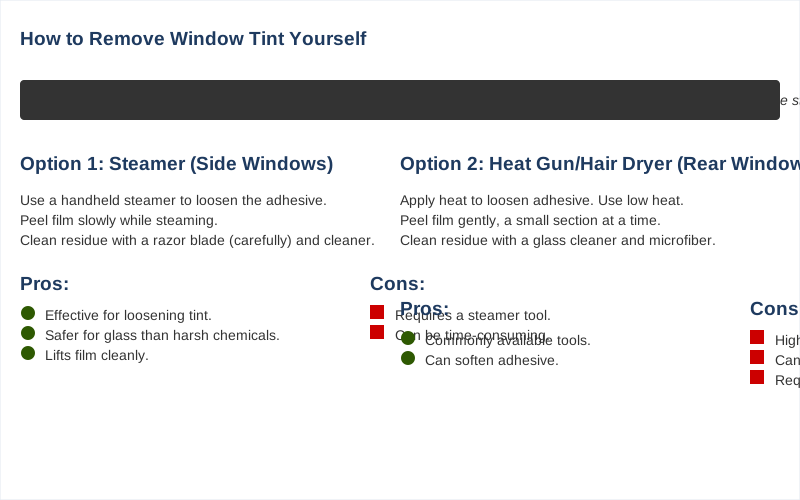
Car window tint removal: Pros and cons infographic.
Comparison overview for how to remove window tint from your car yourself

Key Takeaways

  • The single most important thing to remember is that patience is key when you remove window tint car yourself. Rushing will lead to torn film and stubborn adhesive residue, especially on the rear window.How to Remove Tint From Car Windows - The Tint Guy
  • A steamer is your best friend for rear windows, as it's the fastest and safest method to remove window tint without damaging defroster lines.Remove Window Tint Fast: Steamer or Ammonia Method
  • Expect the adhesive removal to take longer than peeling the film itself. Plan for this extra time to ensure a clean finish.
  • For stubborn glue, a 50/50 mix of sudsy ammonia and Greased Lightning is effective and leaves no funky smell when it dries.Proper DIY Back Window Tint Removal. - General Discussion
  • Always protect surrounding trim and panels from heat and cleaning solutions to avoid accidental damage.
  • Use a plastic razor blade for the rear window to avoid scratching or damaging the delicate defroster lines.
After removing the tint, you might also want to address any lingering odors by learning how to eliminate musty smells from your car's AC with this effective method.

Frequently Asked Questions

Can I tackle removing window tint myself?
Absolutely, we've done it on a few of our older rigs. It's not rocket science, but it takes patience and the right tools. The key is using heat and a good adhesive remover to avoid a huge mess.
Will removing window tint mess up my rear defroster?
That's the big worry for most folks, and we've learned to be super careful. The key is to use a steamer or heat gun on a low setting and peel slowly, especially on the rear window. Avoid aggressive scraping directly on the defroster lines; a plastic razor blade and gentle pressure are your friends here.
How long does it usually take to get all the window tint off?
Honestly, it varies a lot. For side windows, we can usually get them done in under an hour each. The rear window, though, can easily take 2-3 hours, sometimes more, depending on how stubborn the old adhesive is and if the tint comes off in one piece.
What's the easiest way to get old, stubborn window tint off?
For really baked-on tint, the steamer method is king. We've found that a handheld steamer, like the ones used for clothes, works wonders. Hold it a few inches from the glass, let the heat soften the film and adhesive, then gently lift an edge with a plastic razor blade and peel slowly.
How much does it cost to have a shop remove old window tint?
We've seen prices range from around $50 to $150 per window for professional removal. For a whole car, you're likely looking at $200 to $500, depending on the shop and your vehicle. Doing it yourself saves a ton of cash, but be prepared to invest some time.

Sources

Related Articles