
Do You Need A Carbon Monoxide Detector For Car Camping (2026 Complete Guide)
Yes, you need a carbon monoxide detector for car camping. Carbon monoxide (CO) is a colorless, odorless gas that can be produced by vehicle engines and camping appliances. Using a detector, which typically costs around $20-50, can help prevent CO exposure, especially in enclosed spaces. It's essential to ensure safety, as CO poisoning can occur at levels as low as 35 parts per million.
When considering the question, "Do you need a carbon monoxide detector for car camping?" the answer isn't as straightforward as it may seem. While some might believe that carbon monoxide (CO) risks are limited to home environments or RVs, the reality is that car camping exposes us to similar dangers, especially when using gas-powered equipment like heaters or stoves. We strongly recommend having a carbon monoxide detector as part of your camping gear, regardless of your setup.
The significance of carbon monoxide detectors in car camping cannot be overstated. Carbon monoxide is a silent killer-an odorless, colorless gas that can cause severe health issues or even death when inhaled in sufficient quantities. According to the Forensics Detectors, numerous camping tragedies have occurred due to CO buildup from propane or butane appliances in tents or enclosed areas. A portable CO detector can serve as an invaluable safety measure, alerting you before levels become hazardous.
Understanding the need for a carbon monoxide detector is crucial because we often underestimate the risks involved in seemingly innocuous activities. For example, if you're using a propane heater in your tent to keep warm during those chilly nights, the potential for CO accumulation is real. Even minor leaks can lead to dangerous situations if proper ventilation isn't maintained. Furthermore, the CPSC emphasizes that having a working CO alarm can save lives, making it an essential part of your camping safety gear.
In essence, as we plan our next car camping adventure, packing a carbon monoxide detector is not just a precaution; it's a critical step in ensuring our safety and that of our fellow campers. The peace of mind that comes with knowing we have a reliable detection system in place allows us to focus on what truly matters: enjoying nature and making lasting memories.
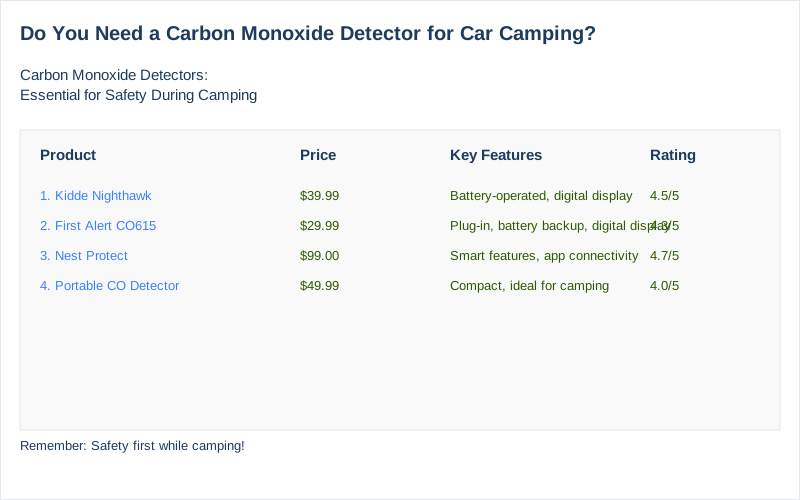
The Short Answer: Do You Need A Carbon Monoxide Detector For Car Camping
Yes, we recommend having a carbon monoxide detector for car camping. While it might seem unnecessary when camping in a vehicle, the risks associated with carbon monoxide (CO) exposure are real and can be life-threatening. Carbon monoxide is an odorless, colorless gas produced by burning fuels, and it can accumulate in enclosed spaces, leading to poisoning without any warning signs. This is especially pertinent when using appliances such as propane stoves, heaters, or even when the vehicle's engine is running, as these can emit CO.
Key facts to consider: according to the Forensics Detectors, camping carbon monoxide detectors are essential for safeguarding against the dangers of CO buildup. Many campers have tragically succumbed to CO poisoning when using portable heaters or cooking appliances inside tents or vehicles. Therefore, having a portable CO detector can provide peace of mind and a necessary early warning system.
The bottom line is that while you may not need a CO detector if you are simply sleeping in a vehicle with the engine off, it becomes crucial if you're using any fuel-burning appliances or heaters inside your camping area. Devices like the portable carbon monoxide detectors are relatively inexpensive and can easily fit into your camping gear. They typically last several years and serve as a vital safety measure against CO buildup.
In conclusion, while we appreciate the allure of car camping simplicity, the hidden dangers of carbon monoxide should not be overlooked. Investing in a portable CO detector is a small price to pay for the safety of you and your camping companions. Always prioritize safety to ensure your outdoor adventures remain enjoyable and free from harm.
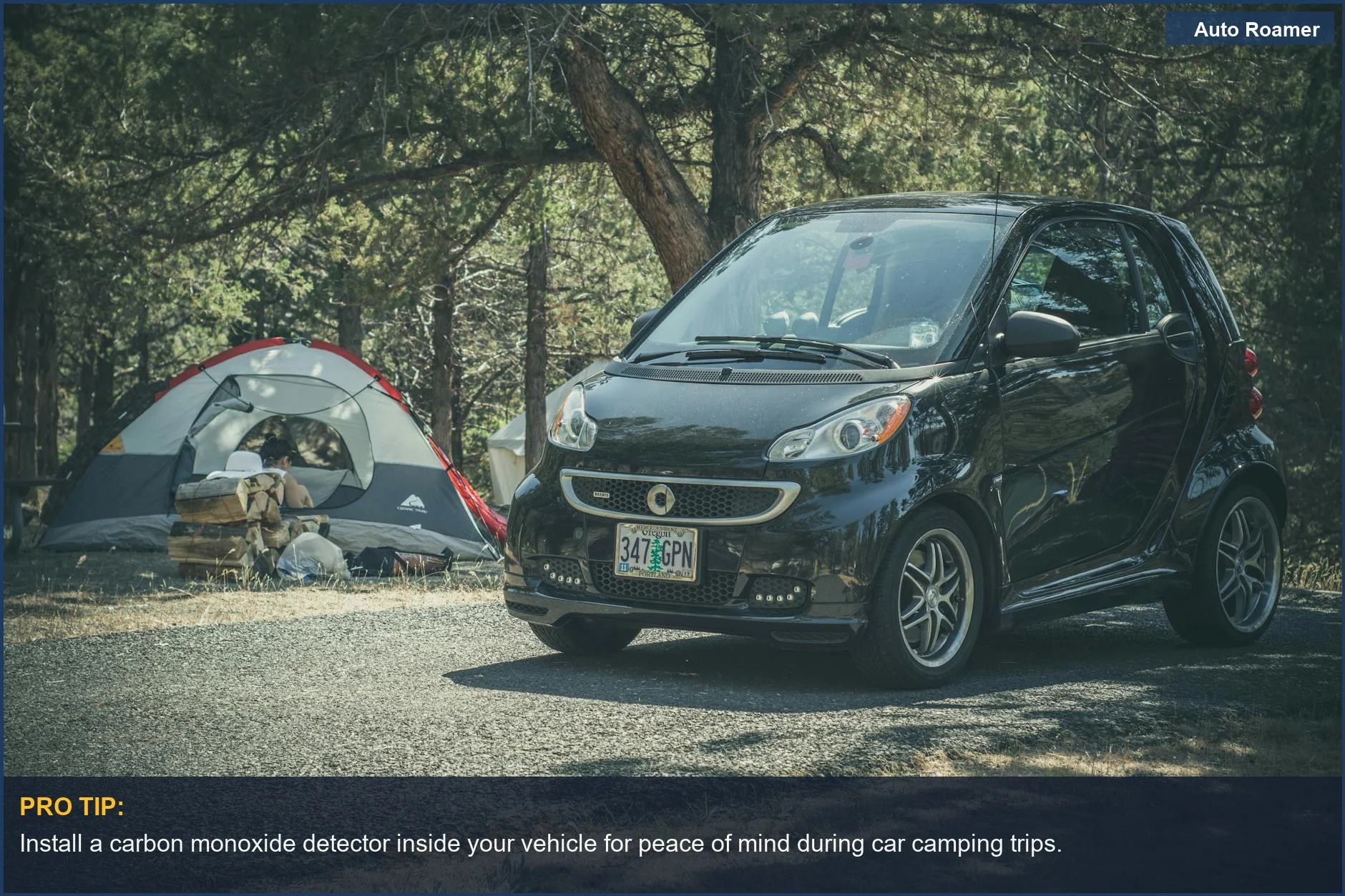
What You Need to Know
When considering the safety measures for car camping, a common question arises: do you need a carbon monoxide detector for car camping? The answer hinges on various factors such as the type of equipment you use, your camping environment, and local regulations.
Carbon monoxide (CO) is an invisible, odorless gas produced by burning fuels like propane, gasoline, or wood. This makes it particularly insidious, as we often do not realize we are being exposed until it is too late. For campers, this risk increases when using equipment such as propane stoves, heaters, or generators. In fact, according to the Consumer Product Safety Commission, CO poisoning is a serious risk, leading to numerous fatalities each year, particularly when camping in confined spaces.
In general, we recommend using a carbon monoxide detector when car camping, especially if you plan to use any fuel-burning appliances. However, the necessity of a CO detector can differ based on your location and situation. For example, in states like Colorado and Montana, where higher altitudes and cooler temperatures are common, many campers rely on propane heaters to stay warm at night. In such cases, a detector is essential. Conversely, if you are camping in a warm climate where you won't be using heaters or generators, the risk of CO exposure diminishes significantly, and some campers might opt to forgo a CO detector.
State regulations can also influence your decision. Certain states may have specific guidelines regarding the use of carbon monoxide detectors in recreational vehicles or campers. For instance, California mandates CO detectors in all newly manufactured RVs, while other states may not have this requirement. Always check local laws before embarking on your trip, as these can provide valuable insights into safety regulations that apply to your camping situation.
Additionally, nuances exist in the type of camping you engage in. If you are tent camping near your vehicle, running your car engine for any length of time can produce dangerous levels of CO, necessitating a detector. On the other hand, if you are camping in a dispersed area, away from your vehicle, the use of a CO detector may become less critical, particularly if you are not using any fuel-burning appliances.
In our experience, portable carbon monoxide detectors are an affordable and effective safety measure. For example, models like the Forensics Detectors Camping Carbon Monoxide Detector provide vital alerts for rising CO levels and are compact enough to fit easily in your camping gear. These detectors can last for several years, and we have found them to be a worthwhile investment for peace of mind while enjoying the great outdoors.
Keep in mind that while some campers on platforms like Reddit argue that a CO detector is unnecessary if no motor is running, we firmly believe that even minimal risks warrant precaution. If your camping setup involves any potential sources of CO, investing in a portable detector is a proactive measure that can help ensure your safety and that of your fellow campers.
In summary, while the question of whether you need a carbon monoxide detector for car camping may vary based on your specific circumstances, the general consensus leans towards being cautious. Taking the time to assess your equipment usage and local regulations can help you make an informed decision, ultimately enhancing your camping experience.
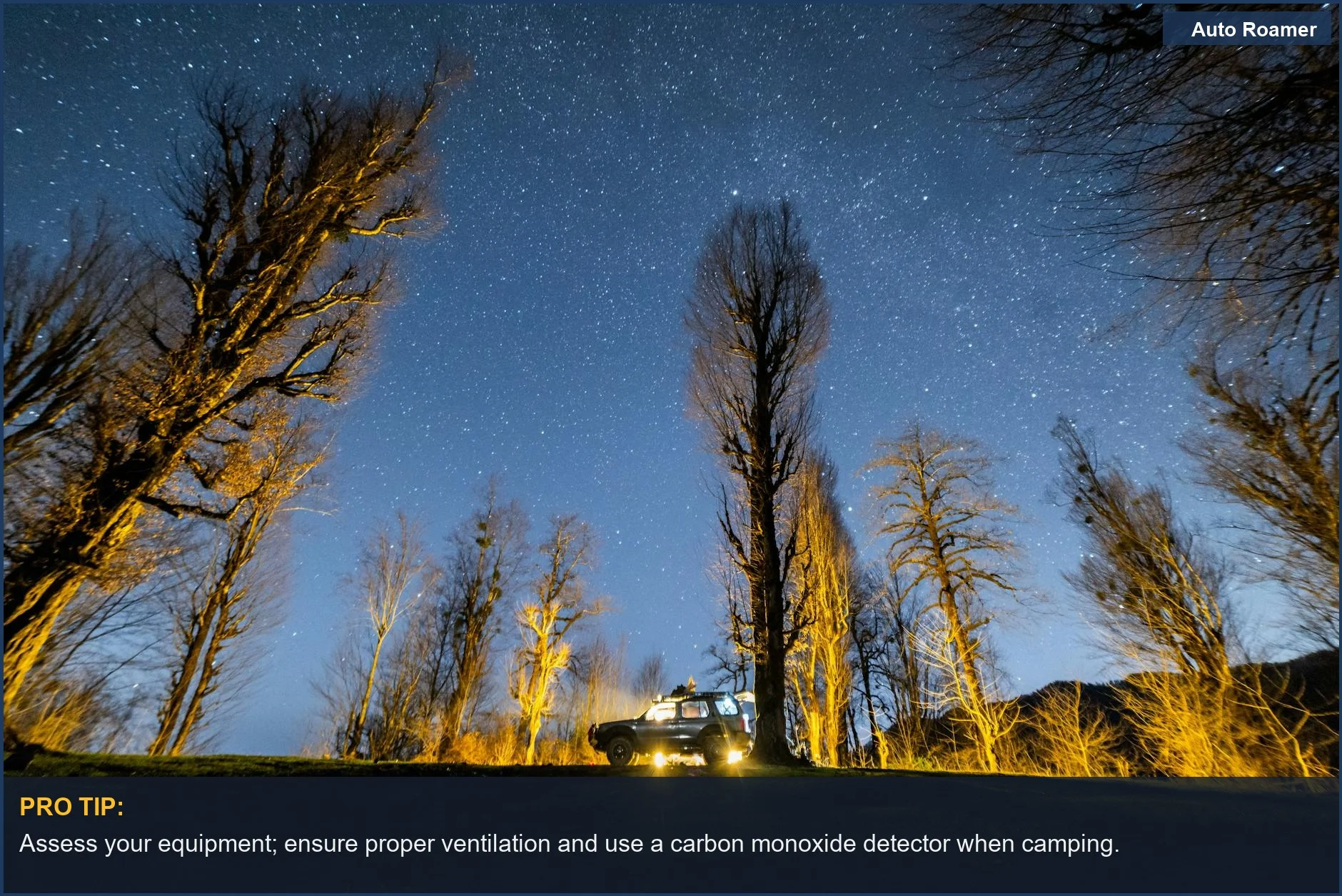
How to Handle This
When considering whether we need a carbon monoxide detector for car camping, it's essential to take practical steps to ensure our safety while enjoying the great outdoors. Here's a detailed guide on how to handle this aspect effectively.
First, we recommend assessing the potential sources of carbon monoxide (CO) in our camping setup. If we're using propane heaters, stoves, or any other fuel-burning appliances inside our vehicle or tent, we definitely need a carbon monoxide detector. CO is odorless and colorless, making it a silent threat that can lead to serious health risks or even fatalities if undetected. According to safety experts, having a portable CO detector can alert us to dangerous levels before they become life-threatening (Source).
For those who want to take a DIY approach, we can create a simple checklist for our camping trip. Here's how we can do it:
-
Purchase a Portable CO Detector: Look for a model specifically designed for camping. The Kidde KID-900-0076 is an excellent choice at around $30, as it's compact and battery-operated, making it perfect for our car camping trips. Make sure to check the device's specifications and choose one that alarms at lower CO levels for more sensitive detection (Source).
-
Test the Detector: Before heading out, we should test the CO detector to ensure it's functioning correctly. Follow the manufacturer's instructions for testing, and replace the batteries if necessary.
-
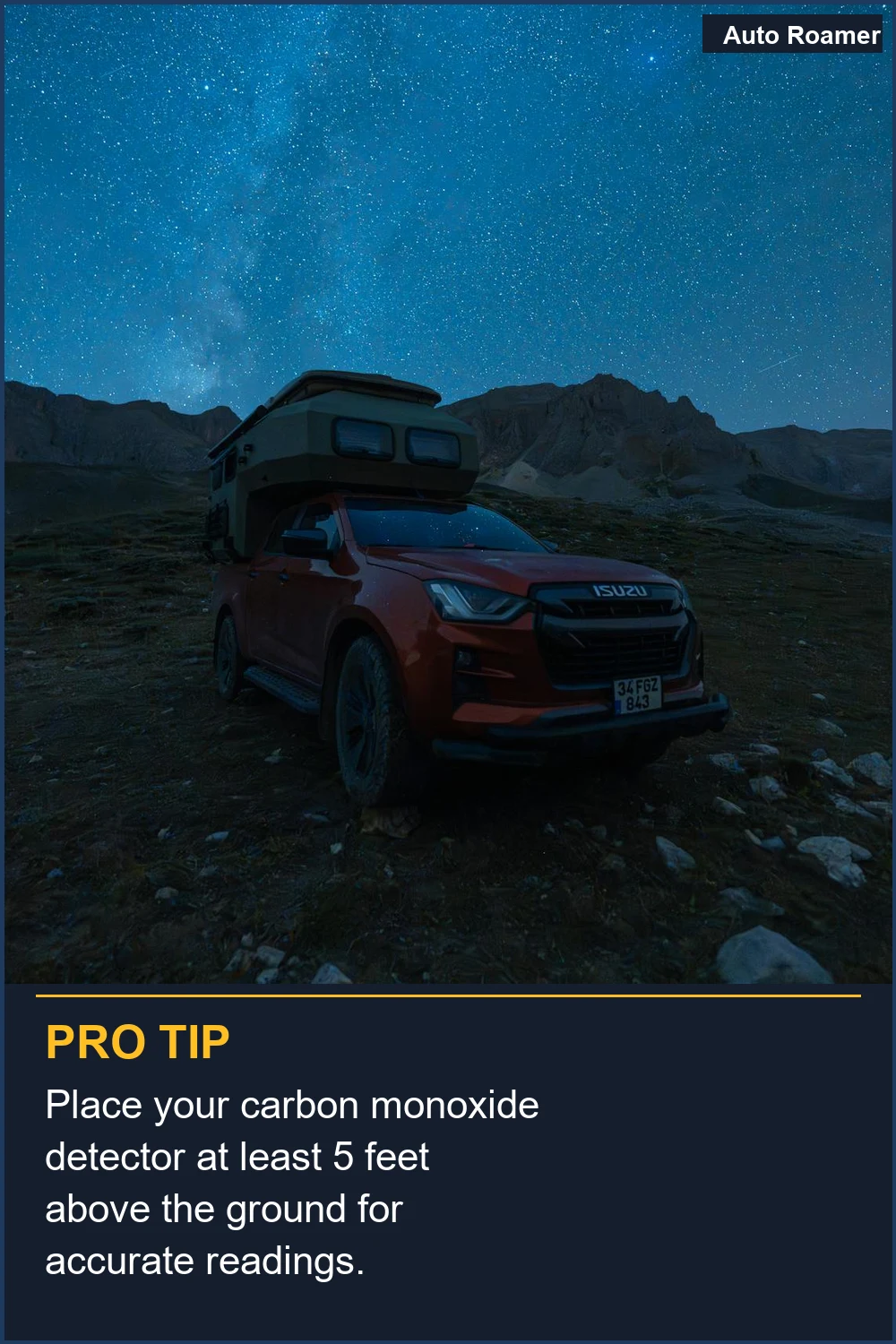
Placement: When we arrive at our camping site, it's vital to place the detector in a suitable location-ideally near sleeping areas but away from direct airflow from windows or doors. This positioning will help ensure accurate readings.
-
Regular Monitoring: Throughout our trip, we should frequently check the CO detector and be aware of any unusual readings. If the alarm goes off, we must evacuate the area immediately and assess the situation-ventilating the space and turning off any fuel-burning devices.
-
Educate Fellow Campers: If we're camping with others, we should also inform them about the risks of CO and the importance of the detector. Sharing knowledge can enhance everyone's safety.
As seasoned campers, we understand that safety is paramount. Even if we believe the risk is minimal-like when not running our vehicle or appliances-we should still err on the side of caution, especially in enclosed spaces (Source).
In summary, taking these practical steps ensures that we are well-prepared and can enjoy our car camping experience without the looming threat of carbon monoxide. By investing in a reliable detector and following safety practices, we can focus on making memories rather than worrying about invisible dangers.
Safety Considerations
When considering whether we need a carbon monoxide detector for car camping, it's essential to understand the associated safety risks and health hazards. Carbon monoxide (CO) is an odorless and colorless gas produced by burning fuels, which can include propane stoves, heaters, or even vehicle exhaust. The danger is that CO can accumulate quickly in enclosed spaces, leading to severe health issues or even death. We recommend that every car camper assesses the potential sources of CO in their camping setup. For instance, if you are planning to use a propane heater or stove inside your vehicle or tent, the presence of a CO detector becomes critical. According to Forensics Detectors, a portable CO detector is an essential safeguard that can alert us to rising CO levels before it's too late.
Health risks from CO exposure can range from mild symptoms, such as headaches and dizziness, to severe outcomes like unconsciousness or death. Prolonged exposure can cause permanent damage to the brain and other vital organs. We must not overlook that even if we are using fuel-burning appliances outside our vehicles, wind conditions can cause CO to drift into our sleeping areas. The CPSC emphasizes the importance of having working CO alarms, especially in scenarios where combustion appliances are used.
Legal consequences can also arise if we fail to take adequate safety measures. In some jurisdictions, failing to have a CO detector in environments where gas appliances are used could result in fines or penalties. Additionally, if an incident occurs due to neglecting to install a CO detector, it could lead to liability issues.
When camping, we should remain vigilant about the signs of CO poisoning, which include confusion, nausea, and fatigue. If anyone in our group experiences these symptoms, it's vital to get fresh air immediately and seek professional medical help. If we are unsure about the safety of our camping setup regarding CO risks, consulting with a professional who specializes in camping safety is advisable.
In summary, we recommend that every car camper strongly considers acquiring a carbon monoxide detector, especially when using combustion appliances. It's an inexpensive investment that can save lives and provide peace of mind while enjoying the great outdoors.
Common Mistakes to Avoid
When considering whether we need a carbon monoxide detector for car camping, we often encounter several common misconceptions that can lead to dangerous situations. One major mistake is assuming that carbon monoxide (CO) is only a risk when running a vehicle engine. While it's true that vehicles emit CO, this odorless gas can also be produced by other sources commonly used while camping, such as propane heaters, stoves, and lanterns. Many campers mistakenly believe that if they are not running their vehicle, they are safe from CO exposure. This is a dangerous oversimplification, as CO can accumulate in enclosed spaces from these appliances even when a vehicle is turned off.
Another frequent error is relying solely on the perception that outdoor settings are inherently safe from carbon monoxide. The reality is that even in a tent or RV, if you are using any fuel-burning appliances, CO can seep into your living area, posing a serious threat. As highlighted by the Forensics Detectors, CO is particularly dangerous because it is colorless and odorless, making it impossible to detect without a proper alarm.
We also encounter the misconception that a carbon monoxide detector is unnecessary if you are camping in a well-ventilated area. While good ventilation can reduce risk, it does not eliminate it entirely. CO can still build up in confined spaces, especially if the wind shifts or if ventilation is blocked. This is why we recommend having a portable CO detector with you, as it can alert you to dangerous levels before they become life-threatening.
Additionally, some campers believe that they can rely on smoke detectors to monitor CO levels. While smoke detectors are essential for fire safety, they do not detect carbon monoxide. This confusion can lead to a false sense of security. We should always ensure that we have a dedicated carbon monoxide detector, especially when using gas appliances, as per the recommendations from CPSC.gov.
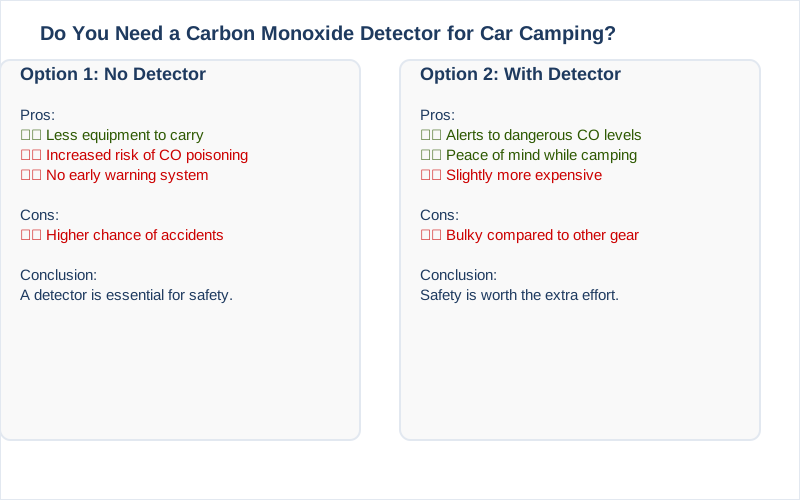
In summary, when we ask ourselves, "do you need a carbon monoxide detector for car camping?" the answer should always be a resounding yes. Relying on misconceptions or underestimating the risk can have dire consequences, so it is essential to pack a reliable CO detector and ensure safety while enjoying the great outdoors.
Key Takeaways
When considering whether you need a carbon monoxide detector for car camping, the answer is a resounding "yes" if you are using any fuel-burning appliances or heaters. Carbon monoxide (CO) is an odorless and colorless gas that can lead to severe health risks, including poisoning, and even death. This risk is particularly heightened in enclosed spaces where CO can accumulate rapidly, such as in tents or vehicles. The use of a portable carbon monoxide detector is crucial to ensure your safety while camping, especially when utilizing propane or butane stoves, heaters, or lanterns. According to the Forensics Detectors, these devices are essential safeguards, alerting you to dangerous levels of CO before they reach a life-threatening threshold.
We recommend investing in a reliable portable CO detector, as they can be inexpensive and provide peace of mind. Look for models that alarm at lower thresholds, ideally under 30 ppm, as many big-box store options activate at 70 ppm, which is too high for camping conditions. Additionally, check the batteries regularly and ensure the detector is placed where it can effectively monitor the air you breathe.
If you ever find yourself feeling dizzy, nauseous, or experiencing headaches while camping, evacuate the area immediately and seek professional help. These symptoms are classic signs of CO poisoning and should not be ignored. Furthermore, if you have questions about the safety of your camping setup or how to properly use your CO detector, consulting with a professional can provide clarity and additional safety measures.
In summary, a carbon monoxide detector is a crucial piece of equipment for car camping, especially when using fuel-burning appliances. Prioritize your safety and that of your camping companions by being proactive about CO detection, ensuring you have a reliable unit, and knowing when to seek professional assistance. Being well-prepared will significantly enhance your camping experience, allowing you to focus on enjoying nature rather than worrying about unseen dangers.