
Car Camping vs Tent Camping Which is Easier for Beginners (2026 Complete Guide)
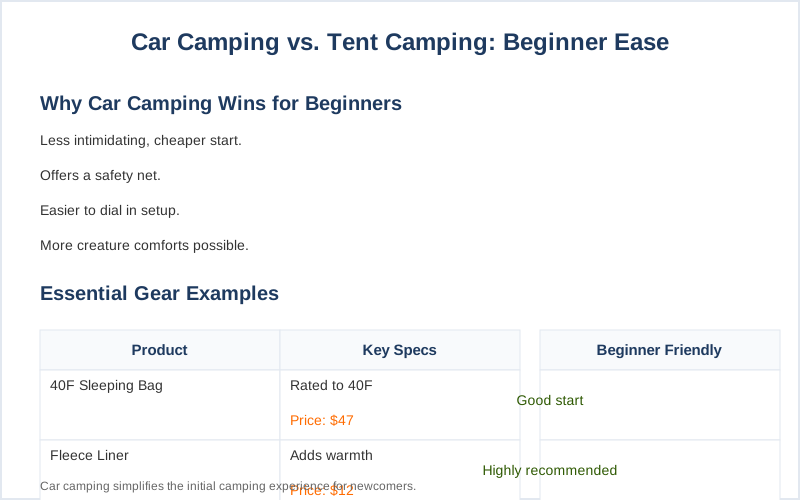
My first car camping trip was a $47 experiment in a Honda Civic hatchback in Shenandoah Valley. Mid-October. I had a Walmart foam pad, a sleeping bag rated to 40F, and zero idea that the temperature drops 15 degrees after midnight in the mountains.
My first car camping trip was a $47 experiment in a Honda Civic hatchback in Shenandoah Valley. Mid-October. I had a Walmart foam pad, a sleeping bag rated to 40F, and zero idea that the temperature drops 15 degrees after midnight in the mountains. By 2AM I was wearing every piece of clothing in my bag and still shivering. The fix was a $12 fleece liner from Amazon that turned my 40F bag into a 25F bag.
Three years later I still use that same liner on every trip.
When people ask me about starting camping, they usually want to know if they should buy a tent or just sleep in their car. The honest version: for beginners, car camping is almost always the easier entry point. It's less intimidating, cheaper to start, and offers a safety net that a tent just can't match. Columbia agrees, noting it's easier to dial in your setup.
I started with car camping out of necessity. My budget was $50 for a weekend, and that didn't leave much room for a fancy tent. Turns out, my beat-up Civic was a perfectly acceptable shelter for the first 10 trips. I learned what I actually needed, not what some expert gear list told me.
The biggest rookie mistake is overthinking it. You don't need to be an Eagle Scout to spend a night under the stars. You just need a place to sleep that keeps you reasonably warm and dry. And your car does a surprisingly good job of that. OutGrown highlights how both styles offer unique experiences, but for ease, the car often wins.
Car camping lets you bring more creature comforts without a weight penalty. Think about it: a cooler full of actual food, a real pillow, maybe even a portable fan if you're feeling fancy. Try fitting all that into a backpack for a tent trip. Not happening.
Understanding car camping vs tent camping which is easier for beginners
Every car camping guide tells you to 'level your vehicle' before sleeping. Nobody tells you HOW. I spent 20 minutes at a state park in West Virginia trying to figure out if my Subaru was level by rolling a water bottle across the mattress. The real move: park nose-slightly-uphill so your head is higher than your feet. That is it. You do not need a bubble level. You need to not wake up with a headache from blood pooling in your skull. Car camping, at its core, means you're sleeping in or directly next to your vehicle. This is usually in a designated campground where you drive right up to your spot. Tent camping, on the other hand, means pitching a fabric shelter on the ground, often requiring you to carry your gear a bit further from your car. Facebook groups often tout car camping for its weather resistance. For beginners, the difference boils down to convenience and a sense of security. With car camping, your 'shelter' is already built, it has solid walls, and it locks. This is a game-time advantage you don't realize until a sudden thunderstorm rolls in at 3AM. My first time, I just climbed into my Civic and pulled the blanket over my head. Tent camping requires a bit more upfront knowledge: how to pick a spot, how to set up the tent, how to properly stake it down. My first tent pitch, in a light drizzle in Maryland, took 43 minutes and resulted in a saggy, leaking mess. I learned that day that a 5-minute YouTube video is not the same as real-world practice. The cost difference is also significant for a first-timer. You already own a car. A decent beginner tent, even a cheap one, will run you at least $60. Add a ground tarp, a footprint, and a mallet, and you're easily over $100 before you even buy a sleeping bag. Reddit users point out the platform debate is a non-issue with tents, but that's about the only advantage. Car camping is the $0 shelter version if you already own a car. You can upgrade later to an air mattress ($40), window screens ($20), or even a custom platform ($100 for materials). But you don't *need* any of that to start. Your car's seats fold down, right? Good enough for night one.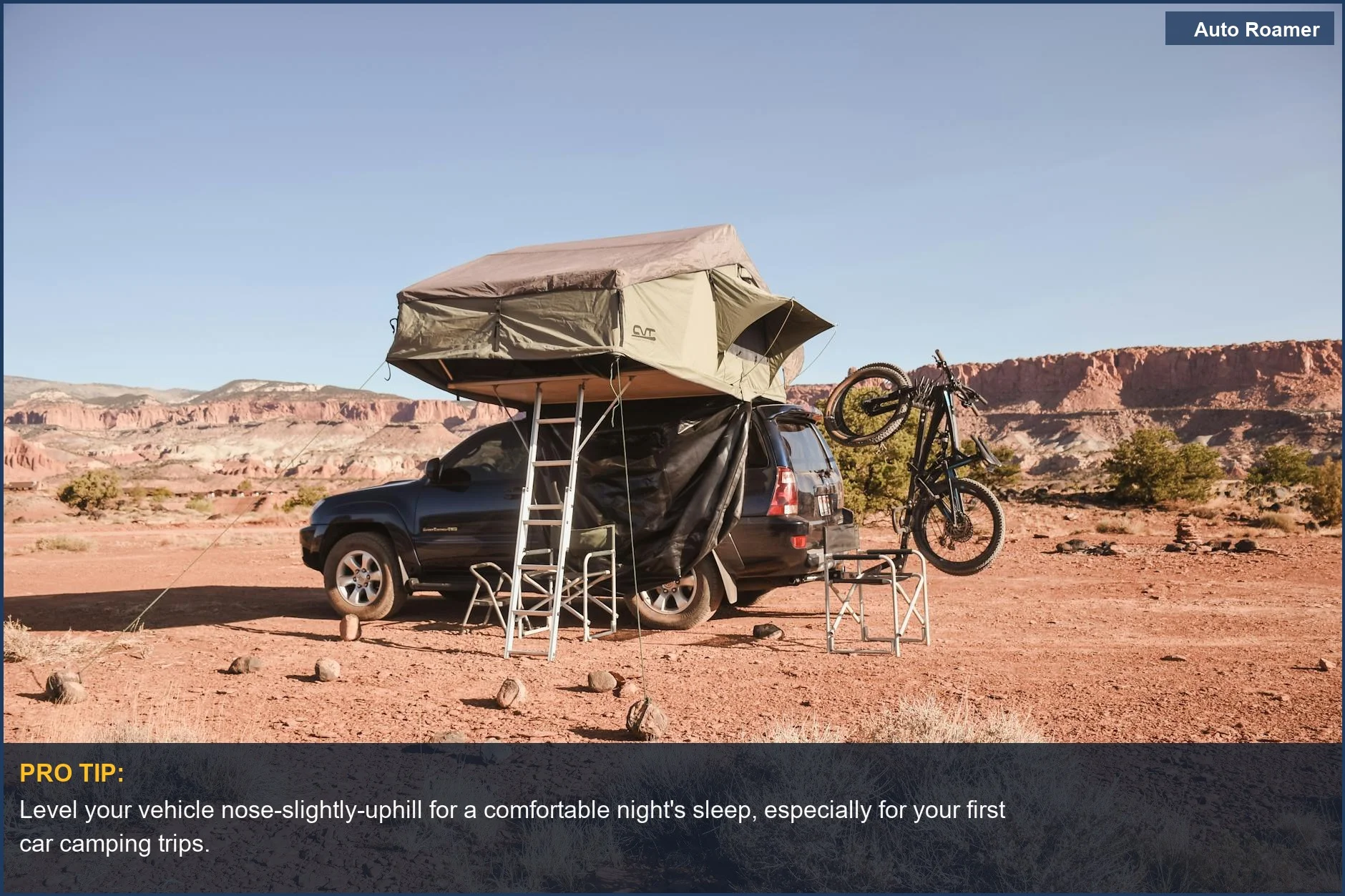
car camping vs tent camping which is easier for beginners in Detail
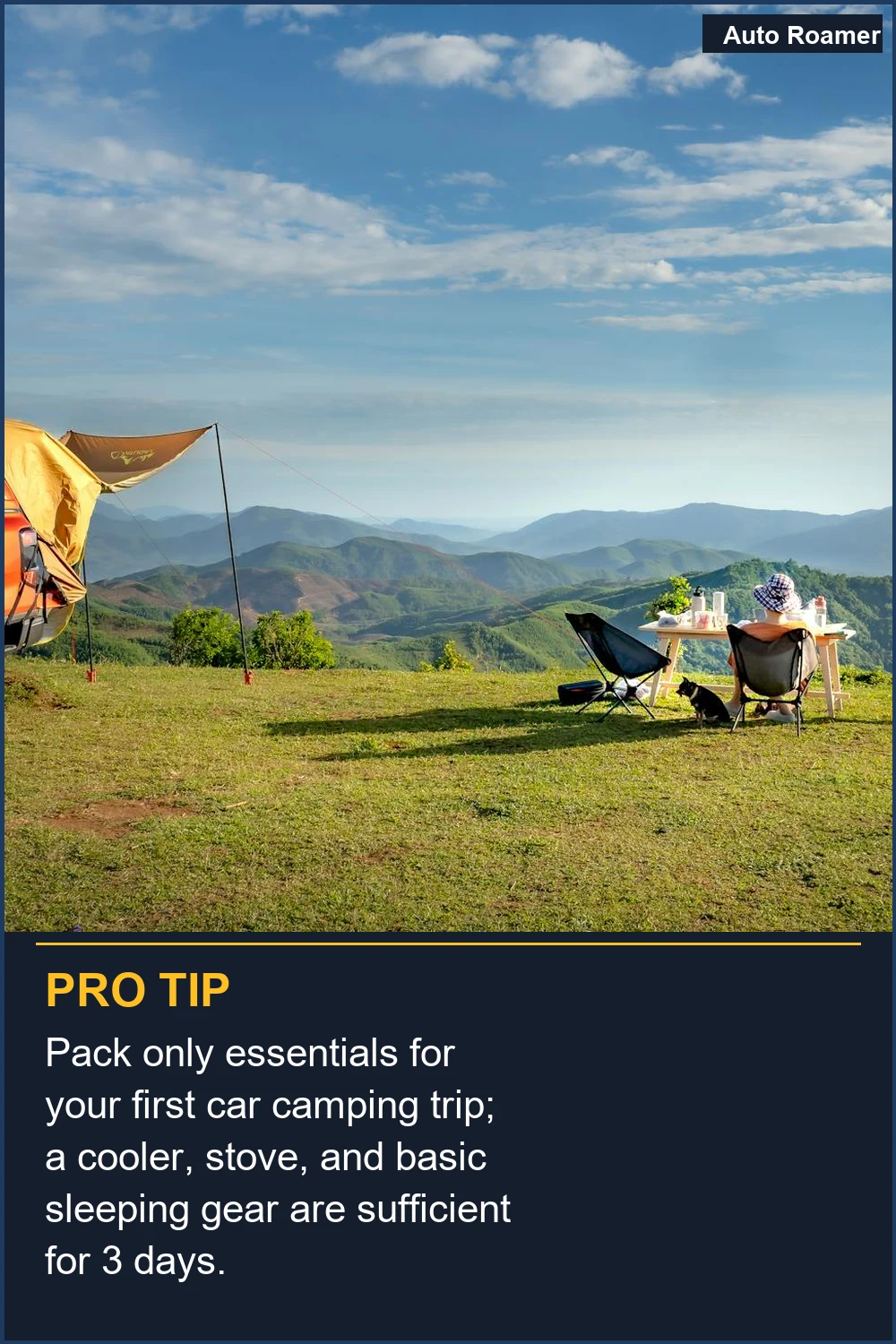
I packed for my first 3-day camping trip like I was moving apartments. Cooler, camp stove, folding table, lantern, tarp, extra tarp, backup tarp. My trunk was so full I could not see out the rear window. The honest version: you need a sleeping setup, water, food that does not need cooking, and a headlamp. Everything else is optional until you figure out what you actually use. My second trip had half the gear and was twice as comfortable. When comparing car camping vs. tent camping for beginners, here's the breakdown of what actually matters: 1. Shelter Setup & Speed: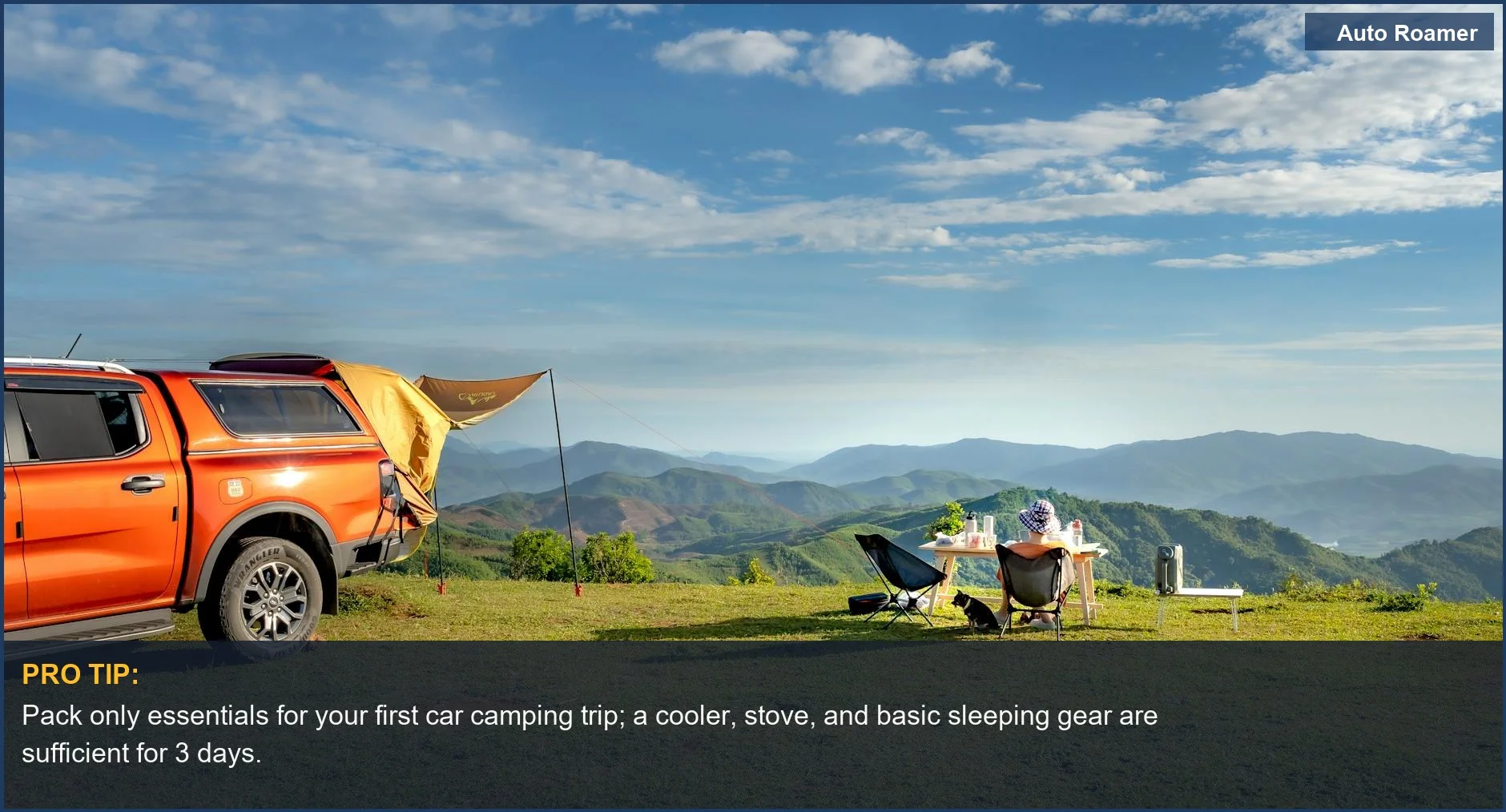
Common Questions About car camping vs tent camping which is easier for beginners
Do I really need a dedicated car camping mattress? My first 7 trips were on a $15 foam pad from Walmart. It wasn't luxurious, but it worked. The real move: figure out if you even like car camping before dropping $150+ on a fancy inflatable mattress. You can always upgrade later. Is car camping really safer from animals? Yes, absolutely. Your car is a hard-sided, lockable container. A tent is essentially a fabric suggestion to a bear or a determined raccoon. I've heard stories of raccoons unzipping tent doors; good luck with that on a car door. Reddit users often cite animal protection as a key car camping benefit. What if my car isn't big enough to sleep in? You don't *have* to sleep inside your car. Car camping just means your car is your basecamp. You can still pitch a tent right next to your vehicle. This gives you the best of both worlds: easy access to gear in your trunk and a separate sleeping space. It's the $50 version of having a luxury basecamp. Is car camping allowed everywhere tent camping is? No. Designated campgrounds usually allow both. But if you're looking to hike into the backcountry, your car obviously isn't coming with you. Always check specific park regulations. My local state park has designated 'tent only' areas that are a 10-minute walk from parking. Don't I need a specific 'overlanding' vehicle for car camping? What nobody tells beginners: you do not need a lifted Jeep with roof racks and a dozen jerry cans. That's for overlanding, which is a whole different beast. Car camping just needs a car that runs. My Honda Civic was my first 'overlanding' rig. The New York Times Wirecutter even praises air mattresses designed for cars, not just high-end rigs.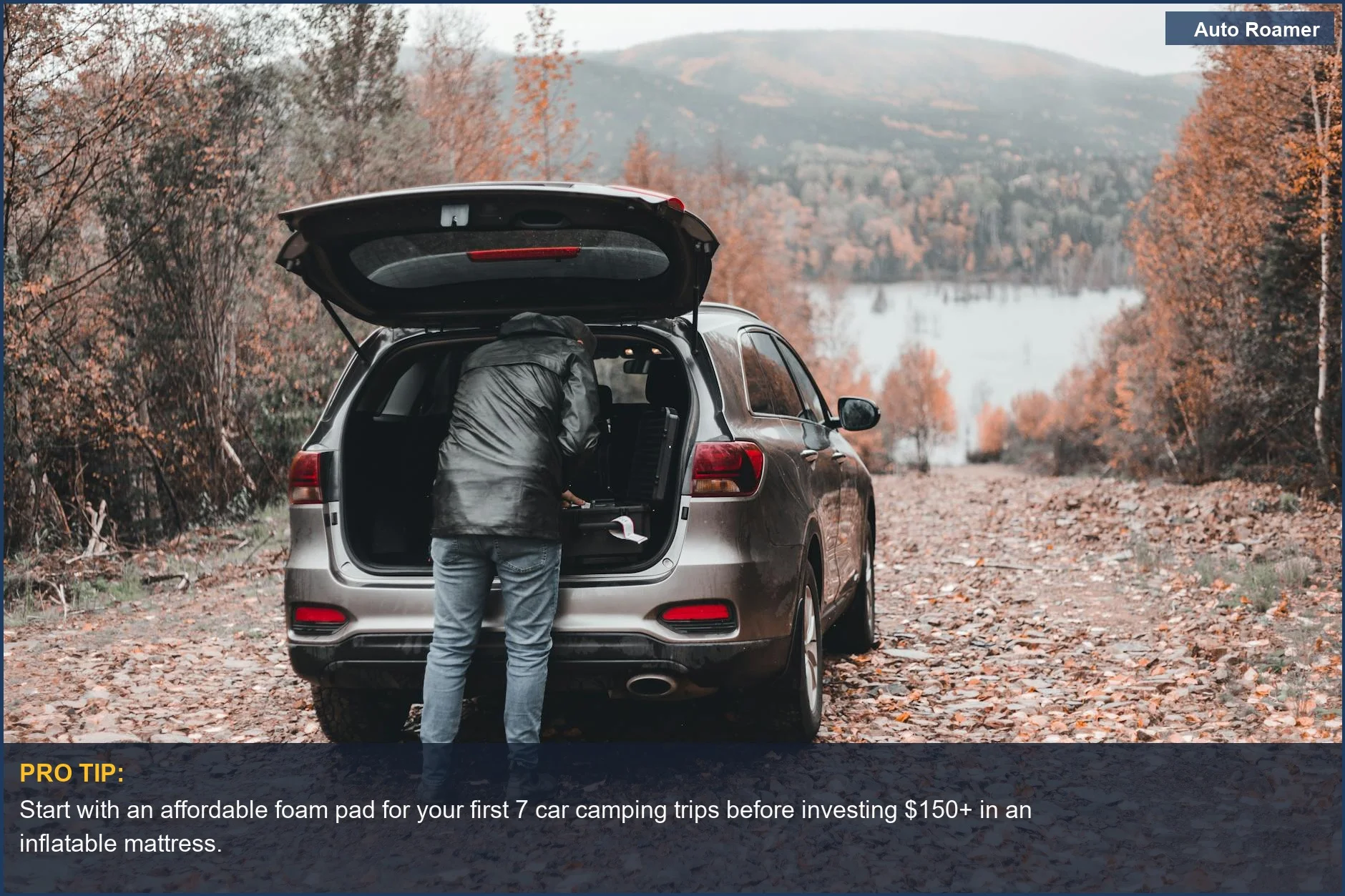
Tips and Best Practices
My first car camping trip was a $47 experiment in a Honda Civic hatchback in Shenandoah Valley. Mid-October. I had a Walmart foam pad, a sleeping bag rated to 40F, and zero idea that the temperature drops 15 degrees after midnight in the mountains. By 2AM I was wearing every piece of clothing in my bag and still shivering. The fix was a $12 fleece liner from Amazon that turned my 40F bag into a 25F bag. Three years later I still use that same liner on every trip. Here are some field notes for your first car camping adventure: 1. Test Your Sleeping Setup at Home: Before you hit the road, fold down your seats and actually try to lay down in your car. See where your head and feet land. This prevents a lot of game-time frustration. I once realized my head was pressed against the rear window on my first longer trip. 2. Prioritize Warmth: Even in summer, nights can get chilly. Err on the side of bringing too many blankets. It's easier to shed layers than to conjure warmth out of thin air. My $12 fleece liner saved my bacon more times than I can count. WheelsFeels reminds us that comfort is more than just convenience. 3. Ventilation is Key: Sleeping in a sealed car can lead to condensation and stuffiness. Crack your windows a tiny bit, even if it's cold. You can buy cheap mesh window screens ($15 for a pair) to keep bugs out. I learned this after waking up to foggy windows in an Arkansas state park. 4. Keep it Simple with Food: Your first few trips are not the time to attempt gourmet camp cooking. Pack sandwiches, fruit, granola bars, and plenty of water. A small cooler is your best friend. The less cooking gear, the less cleanup. My second trip, I brought only no-cook food and it was a revelation. 5. Invest in a Headlamp: This is non-negotiable for both car and tent camping. Trying to navigate your car, find a snack, or go to the bathroom in the dark with your phone flashlight is a rookie mistake. A $10 headlamp from any sporting goods store will change your life. MyTrailsAreMany offers similar advice on planning.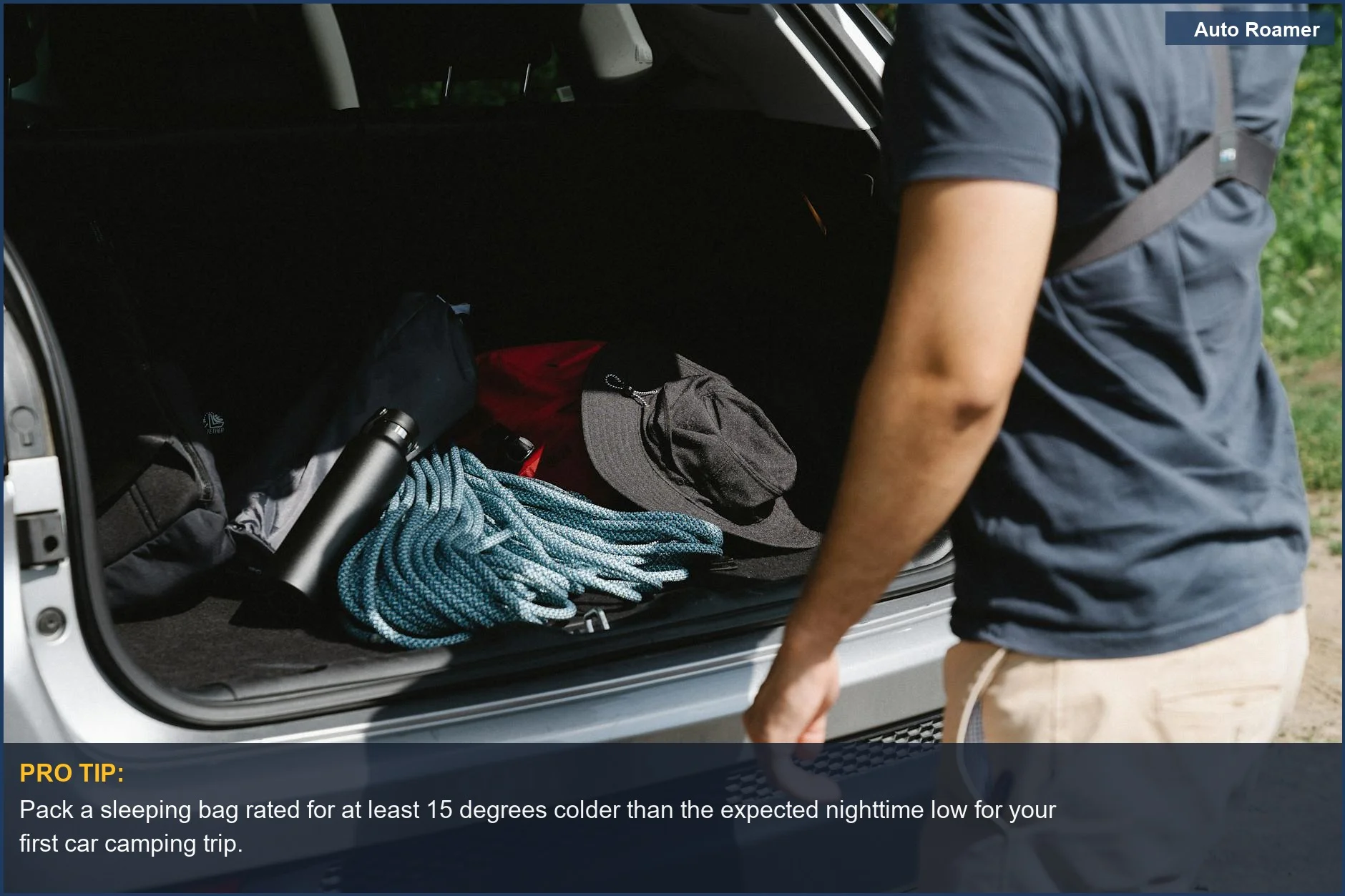
Real-World Examples
My first car camping trip was a $47 experiment in a Honda Civic hatchback in Shenandoah Valley. Mid-October. I had a Walmart foam pad, a sleeping bag rated to 40F, and zero idea that the temperature drops 15 degrees after midnight in the mountains. By 2AM I was wearing every piece of clothing in my bag and still shivering. The fix was a $12 fleece liner from Amazon that turned my 40F bag into a 25F bag. Three years later I still use that same liner on every trip. Here are some actual experiences that shaped my view on car vs. tent camping for beginners: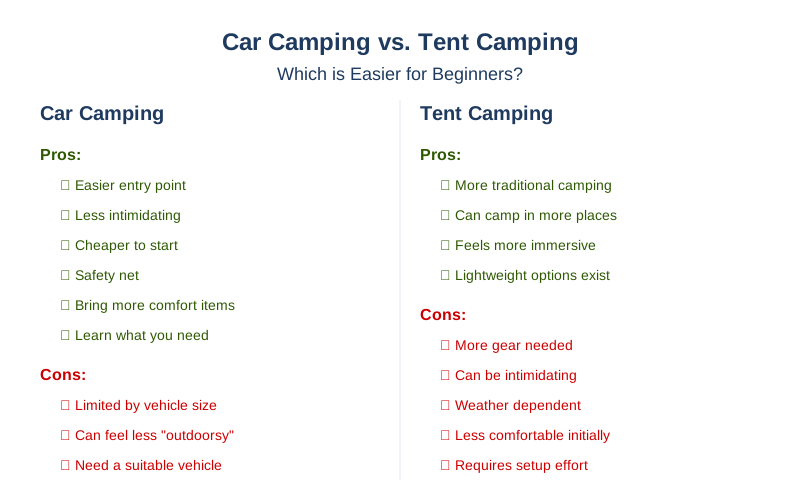
Key Takeaways
My first car camping trip was a $47 experiment in a Honda Civic hatchback in Shenandoah Valley. Mid-October. I had a Walmart foam pad, a sleeping bag rated to 40F, and zero idea that the temperature drops 15 degrees after midnight in the mountains. By 2AM I was wearing every piece of clothing in my bag and still shivering. The fix was a $12 fleece liner from Amazon that turned my 40F bag into a 25F bag. Three years later I still use that same liner on every trip. For anyone just dipping their toes into the camping world, the choice between car camping and tent camping really boils down to accessibility and real-world experience. My trial-and-error approach has taught me a few things:Frequently Asked Questions
Should I pay a shop $500 to build a custom sleeping platform for my SUV, or can I DIY it cheaper?
Do I really need a fancy 12V cooler, or is a regular cooler with ice good enough?
What if I try car camping and I just can't get comfortable sleeping in my car?
Can leaving my car running to charge devices or for AC/heat damage my engine?
I heard I need to remove all my back seats for car camping. Is that true?
🏅 Looking for Gear Recommendations?
Check out our tested gear guides for products that work with this setup:
Sources
- Car Camping Vs Tent Camping: Which Is Best For You? | Columbia
- Car Camping Vs Tent Camping: Which Is Best For You? | Columbia
- Car Camping vs Tent Camping: Which Is Best for You? - Aosom
- car-camping-vs-tent-camping?srsltid=AfmBOooL7ICTR7s3Sl5Ncg3R1KhDMgXAgHe9cWP0oqNUyLrVCfVeEmc
- Pros and cons: car camping vs tent camping - OutGrown
- I'm trying to decide on car camping vs small tent. Advantages of car?
- Camping 101: Your Top Tested Beginner's Guide (2026)
- Car Camping vs. Tent Camping: Which Feels Better? - WheelsFeels
- car-camping-vs-tent-camping?srsltid=AfmBOophf0gOZFGE16JhkOcy8J5mNv9zUm0kmQsZ4O4daFyHiwuUaSF
- I Hate Sleeping in a Tent. So I Turned My Car Into a Cozy Camping ...
- Tent vs car camping : r/CampingandHiking
- Car camping vs Tent Camping - Reddit