The Big Picture
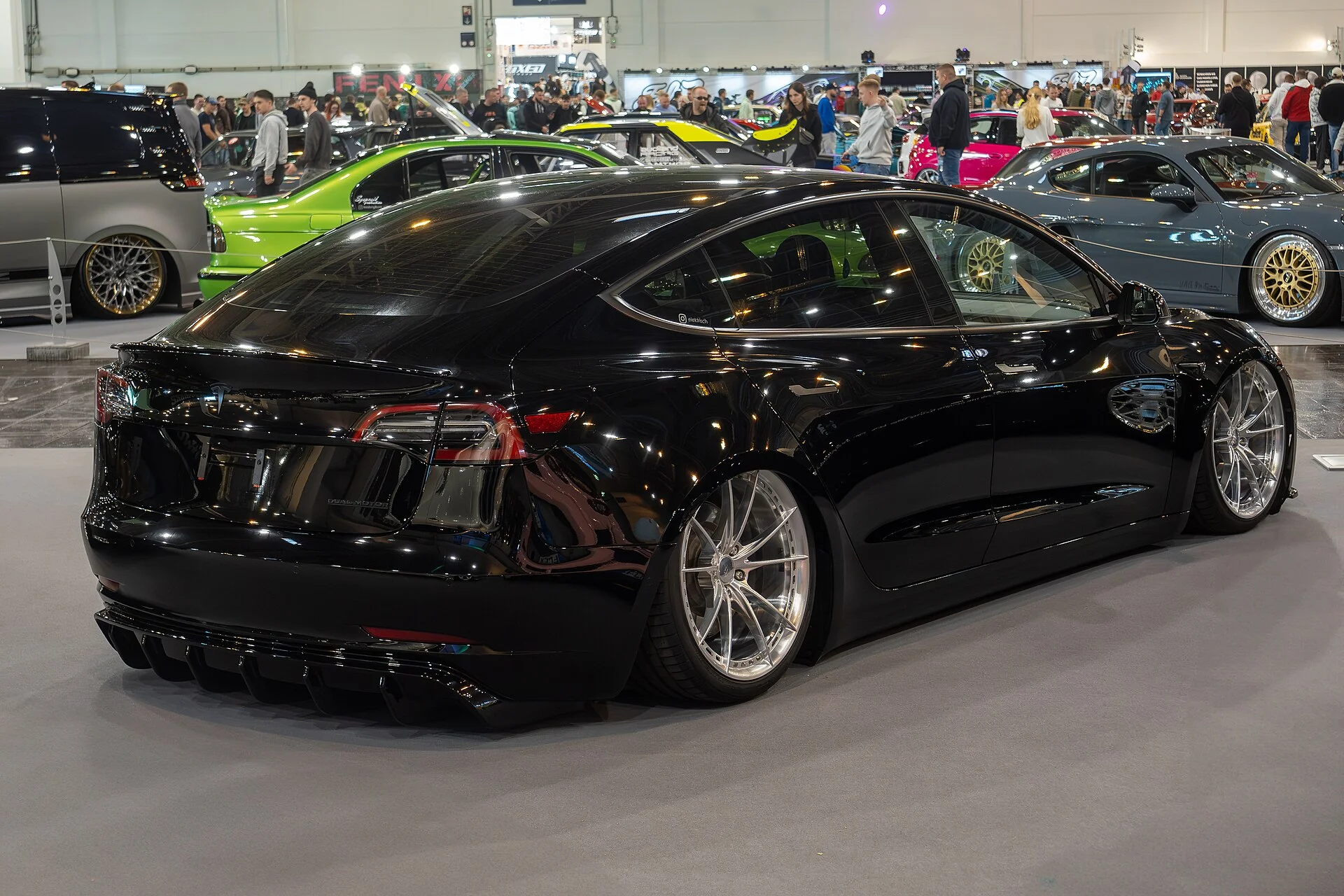
Tesla's built-in dashcam system? It's like buying a wrench set that only has one size. Sure, it records, but the file management is a dumpster fire and the parking surveillance eats your battery alive. The stock system dumps raw .mp4s onto a USB drive, often corrupting if not ejected properly, leading to 1.5GB of useless data per hour. Don't even get me started on the lack of cloud backup.
I've seen too many forum posts where someone's critical footage from a fender bender was just gone, a blank USB drive mocking them. That's a minimum $500 deductible you're eating because the internal write speed or file allocation table decided to take a nap. Tesla's system is a nice idea, but the execution leaves too much to chance when you actually need it.
The built-in system relies on the vehicle's 12V system for constant power, which means thermal cycling on the internal battery pack if you're not careful with your parking mode settings. And that 12V battery isn't designed for sustained deep discharges. You're stressing components that cost thousands to replace, just to save $150 on an aftermarket unit.
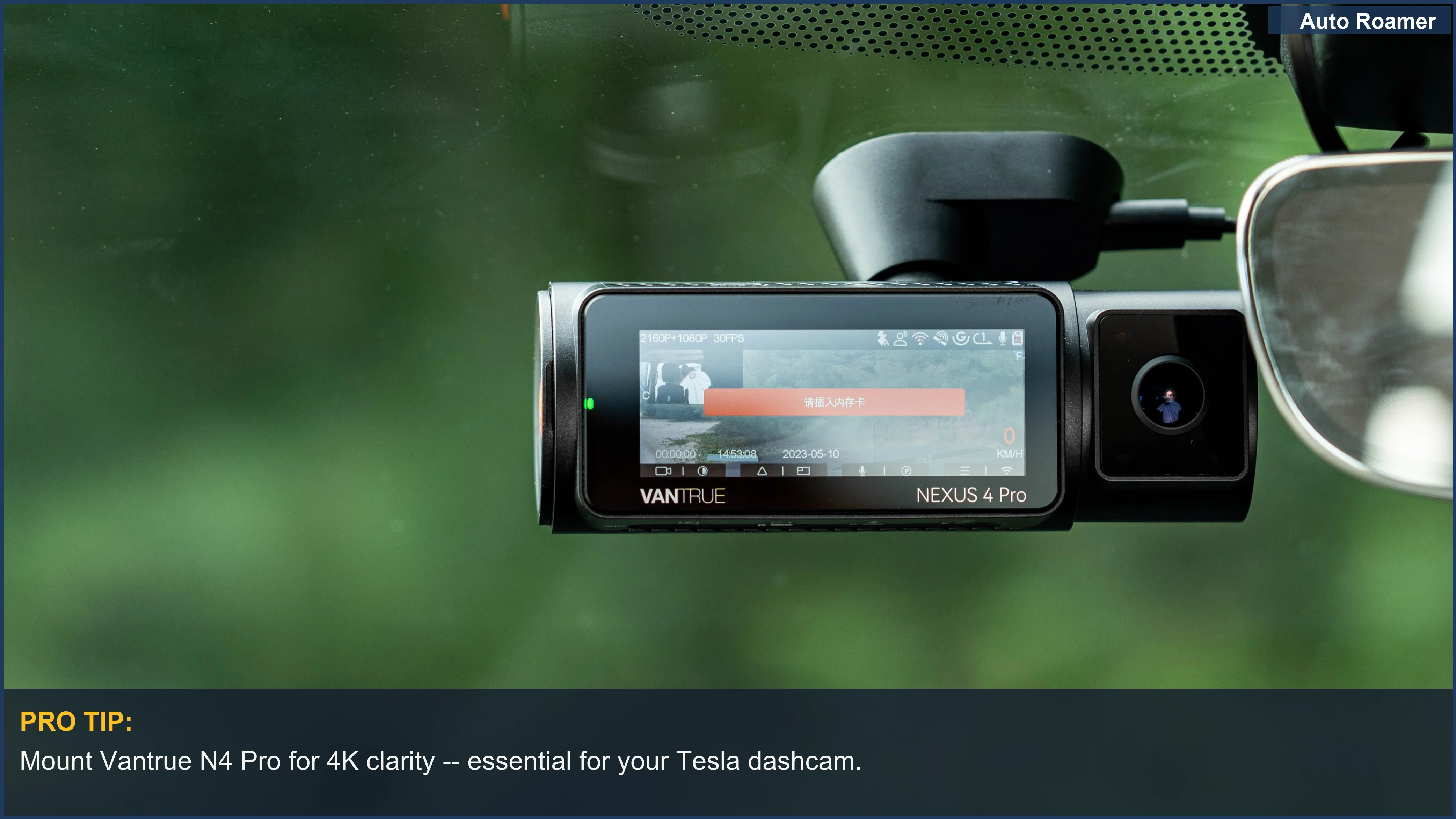
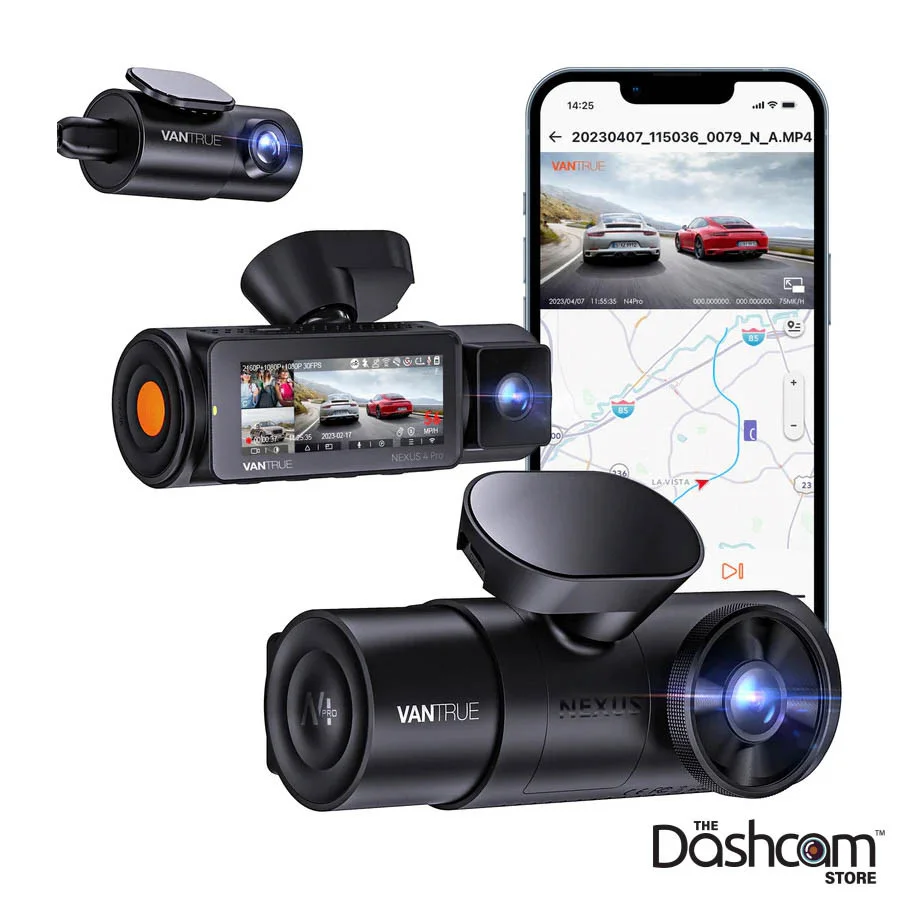
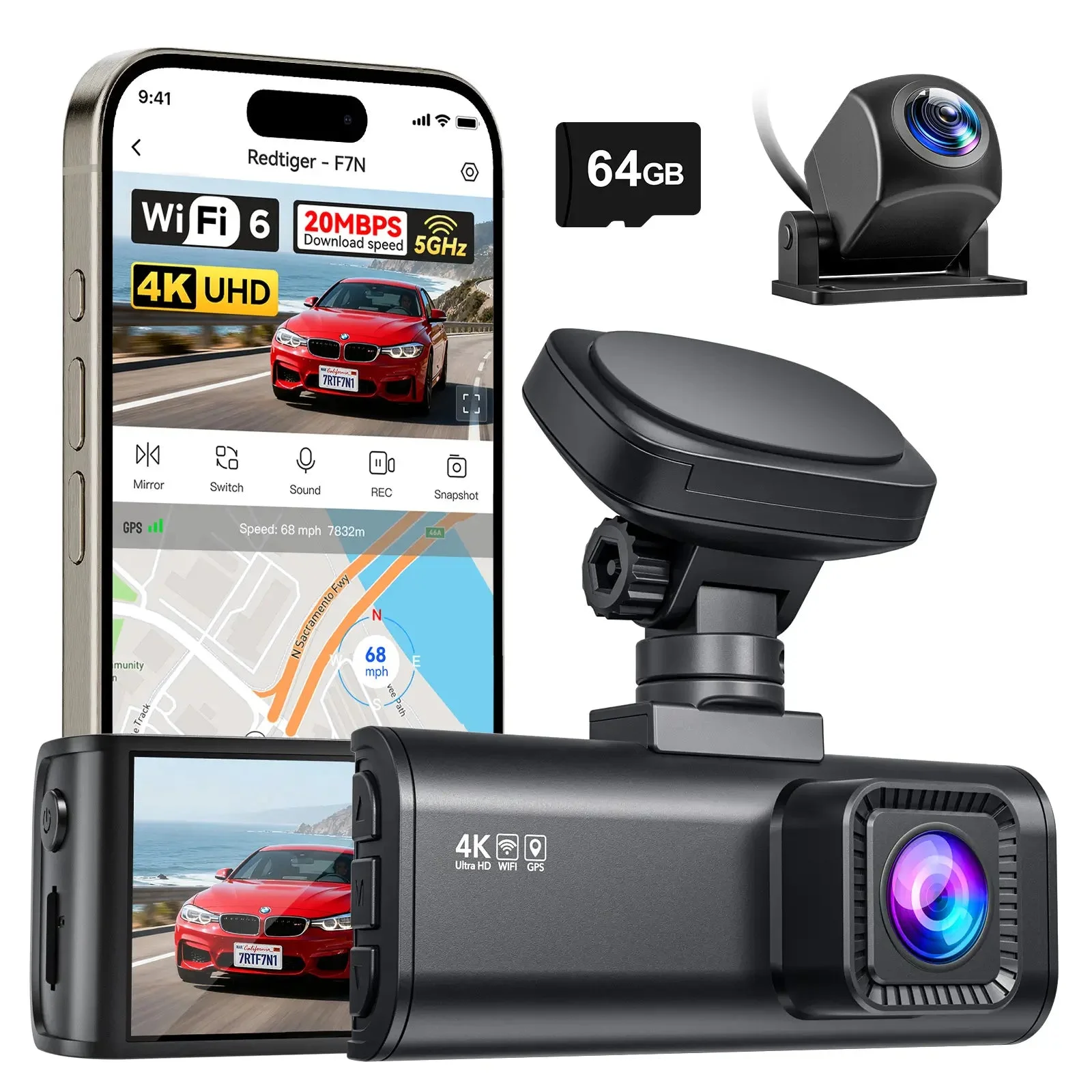
An aftermarket dashcam, properly installed, provides dedicated power management and usually a supercapacitor instead of a lithium battery. This eliminates the thermal expansion and contraction stress that degrades internal batteries in hot climates. You get better video quality, more reliable recording, and features like buffered parking mode without risking your main vehicle battery. It's an investment in circuit integrity, not just video. The peace of mind alone is worth the extra $180.
Top Picks
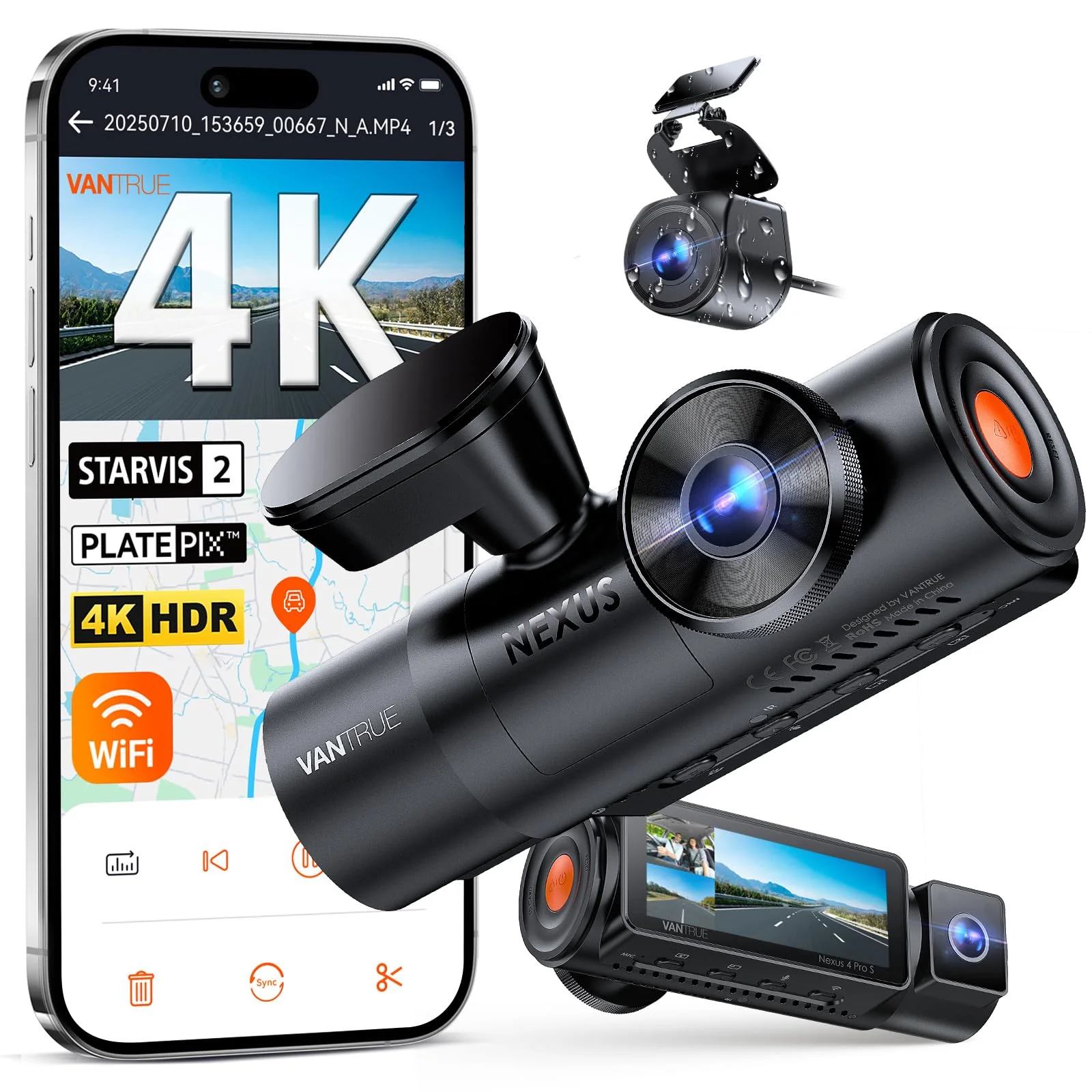
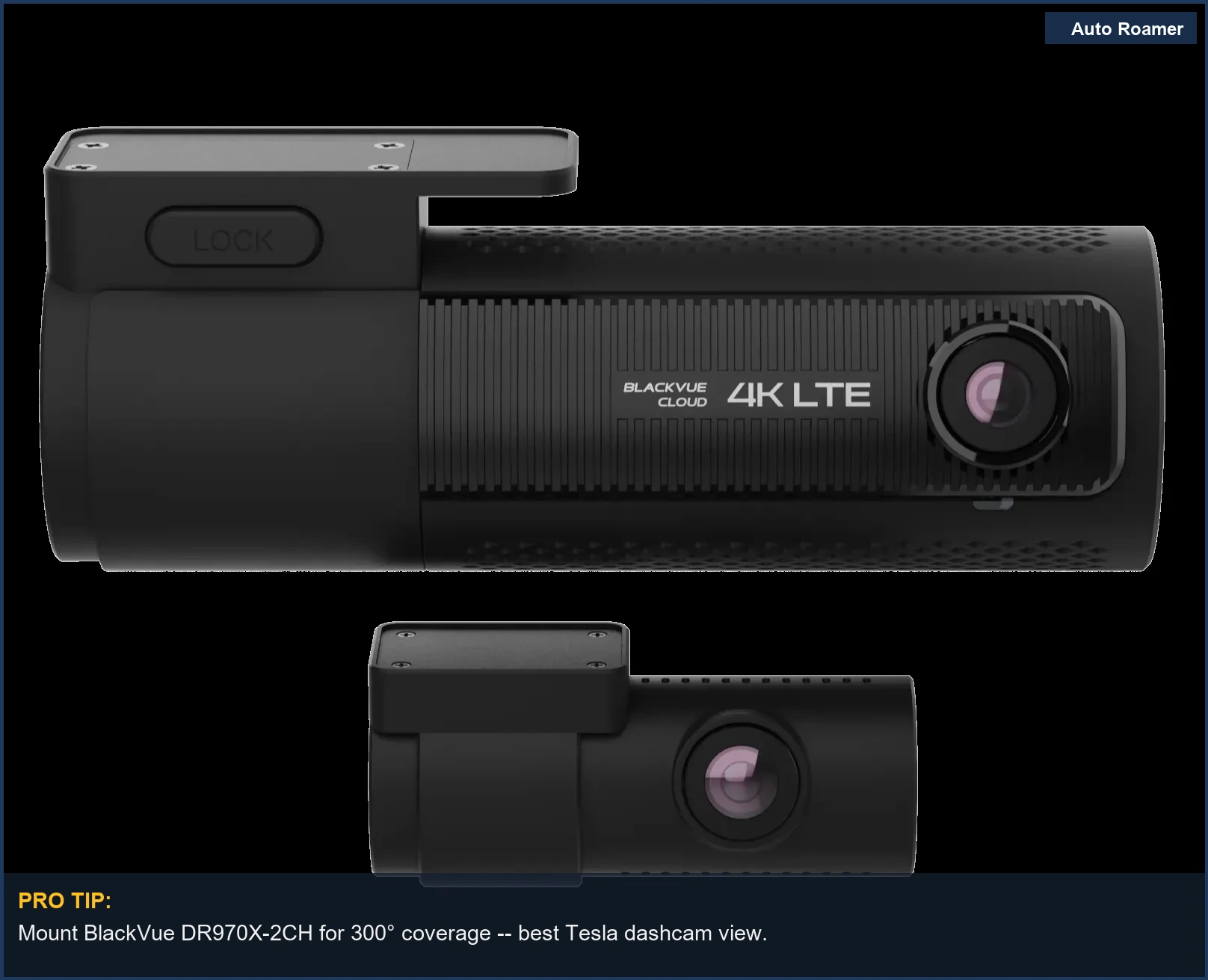
Quick Verdict
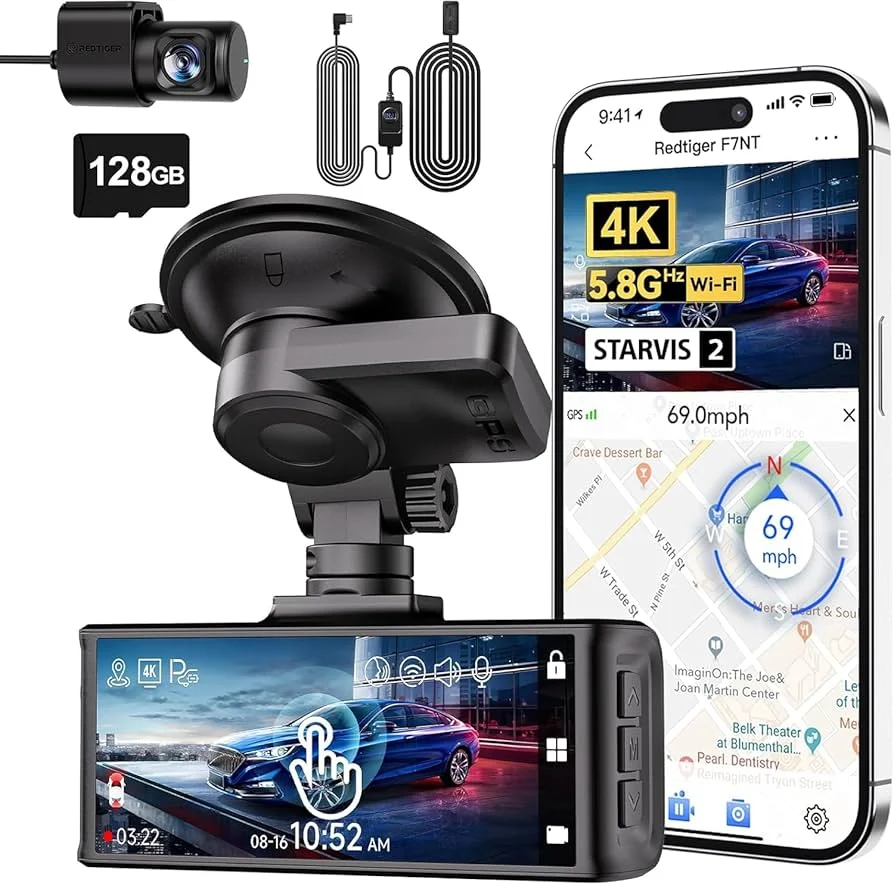
- Power Draw is Key: Tesla's 12V system is sensitive. An aftermarket dashcam needs low parasitic draw for parking mode. Look for supercapacitor models; they handle thermal cycling better than lithium-ion batteries. A good dash cam in 2025 needs smart power management.
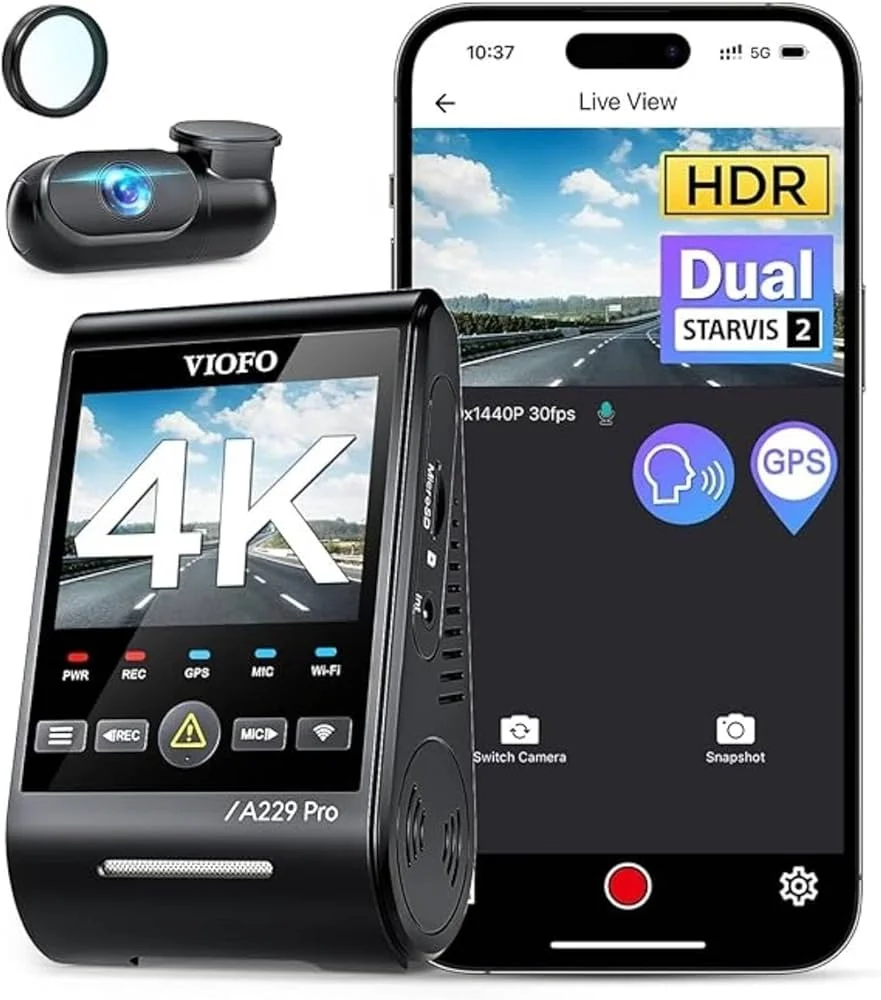
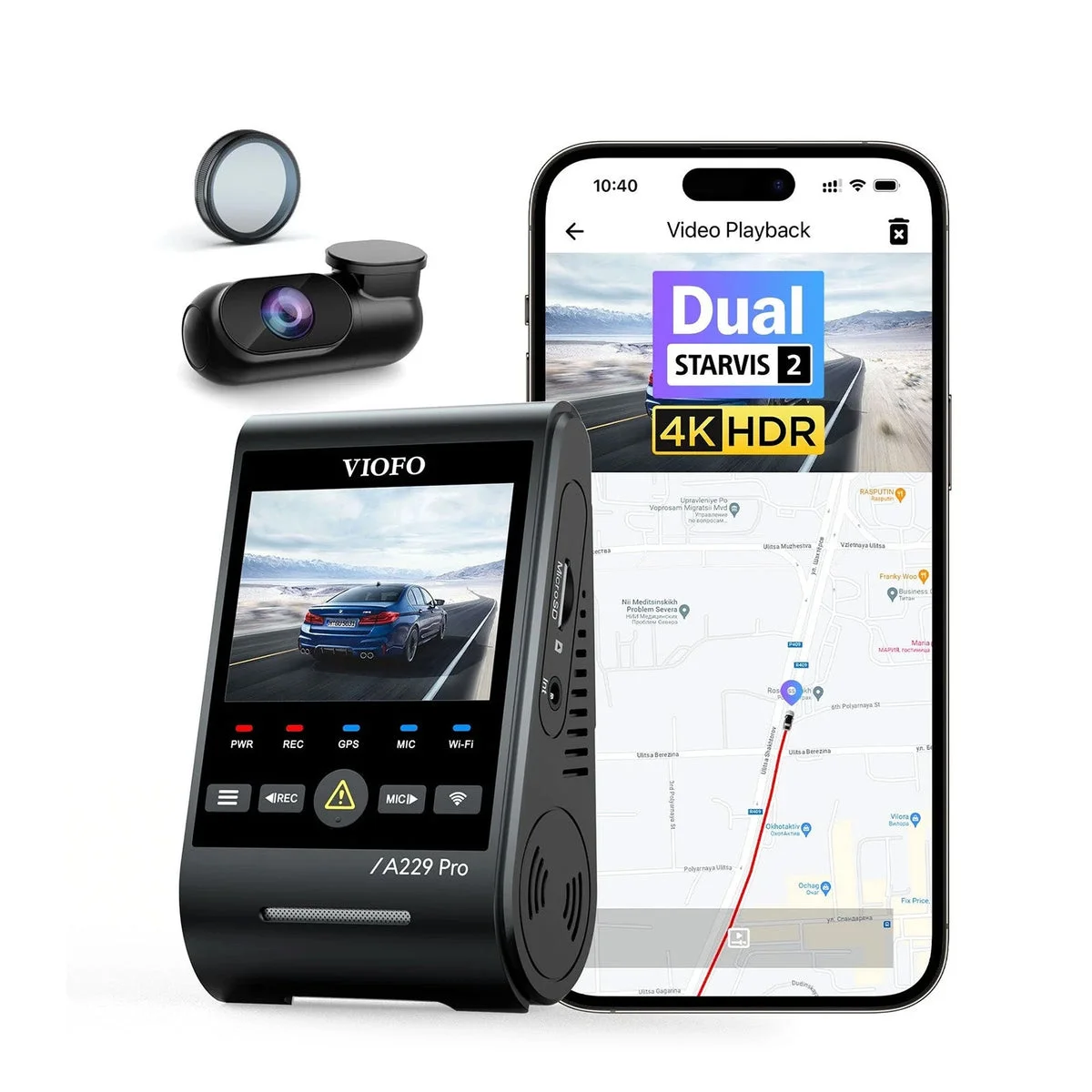
- Sensor Quality Over Resolution: A '4K' camera with a garbage sensor is worse than a 1080p with a Sony STARVIS 2. The sensor dictates light sensitivity and dynamic range, which is critical for license plate capture at night. Viofo is consistently recommended for its image quality.
- Installation Matters for Circuit Integrity: Don't just jam a USB plug into an available port. Hardwiring to a switched fuse with a proper add-a-fuse kit ensures stable power and prevents voltage drops that corrupt files or damage the camera. A cheap crimp connection will lose its contact pressure under vibration.
- Parking Mode Isn't Optional: Buffered parking mode records the 15 seconds before an event, not just after. This is crucial for proving fault in hit-and-runs. It's a feature that significantly changes daily usability.
- Cloud vs. Local: Cloud storage is great for peace of mind, but it costs extra for data. Local storage on a high-endurance microSD card (U3, V30 rated) is more reliable if you're not paying for a data plan. The Viofo A229 Pro Duo is a popular choice for its features.
Your Tesla is a computer on wheels. Treat its electrical system with respect. A cheap dashcam can introduce noise into the 12V rail or cause unexpected battery drain, leading to fault codes that cost you a diagnostic fee at the dealership.